
Intermediate
20 Intermediate GeoGuessr Tips
Turn a first impression into a reasoned guess. Use the sun, traffic direction, road markings, plates and camera clues to narrow down countries and choose a region.
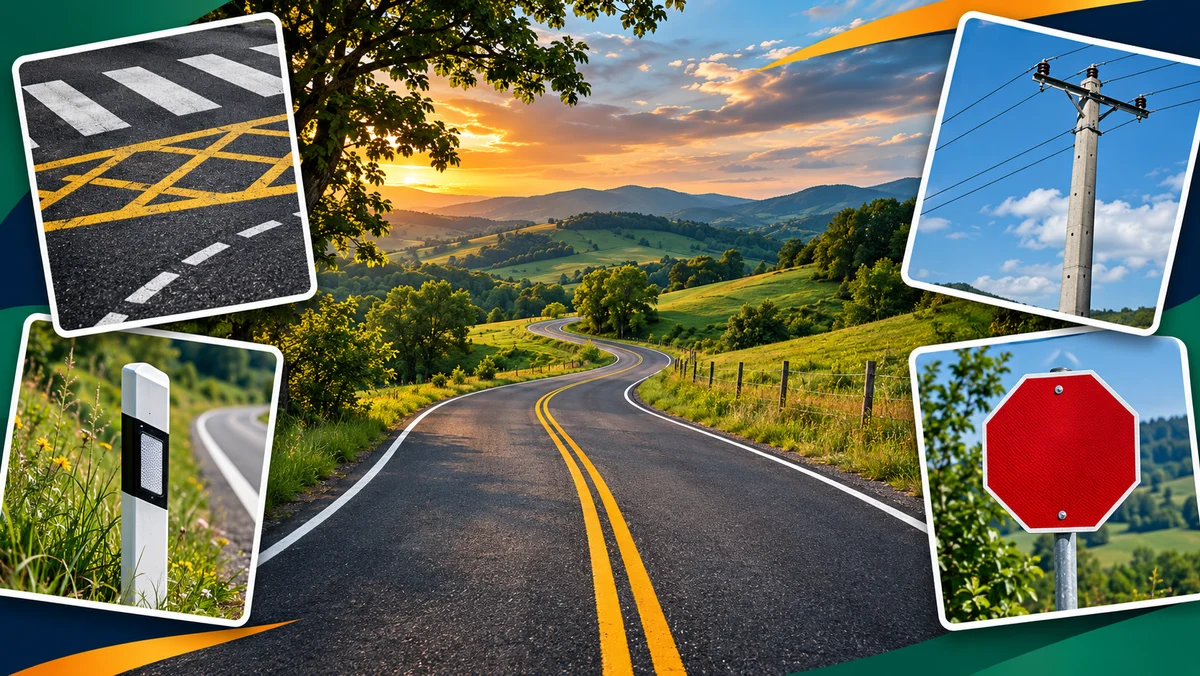
Tip 1
Study where Street View actually goes
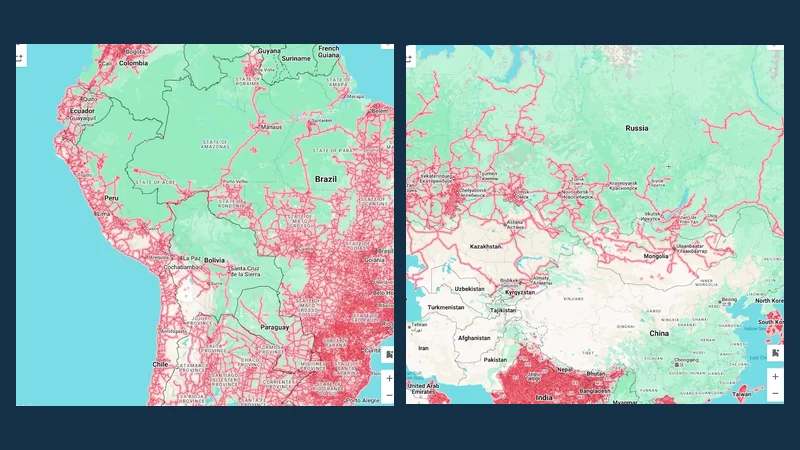
A country can appear in GeoGuessr and still have large areas without useful road coverage. In Russia, focus on the photographed towns and routes. Coverage in Laos is patchier than in much of Europe. In South America, check which roads are covered before guessing in the middle of the Amazon.
How to confirm it. Check the imagery date and the map for your game mode. Coverage changes, and an isolated photo is different from a navigable road.
Tip 2
Use the sun to orient yourself
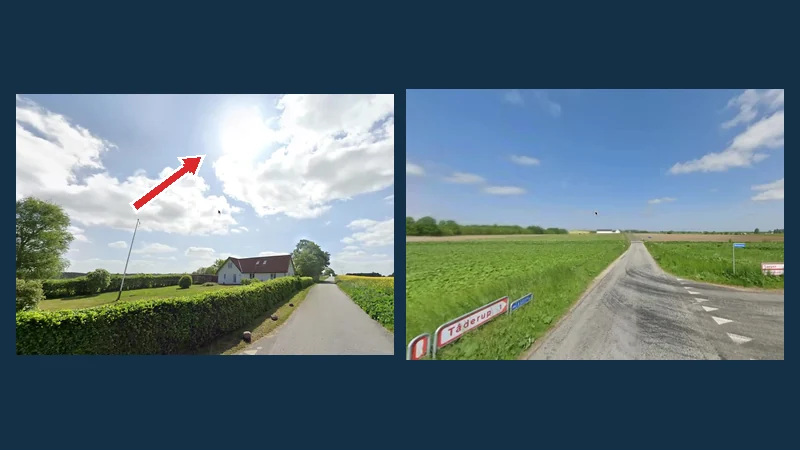
A sun clearly to the south often suggests the Northern Hemisphere. A sun clearly to the north often suggests the Southern Hemisphere. This check can break a tie between Australia and the US or between Canada and Argentina.
How to confirm it. Trust the clue less near the tropics, at dawn or dusk, or under clouds. When the sun is nearly due east or west, give more weight to traffic and the landscape.
Tip 3
Work out which side traffic keeps to
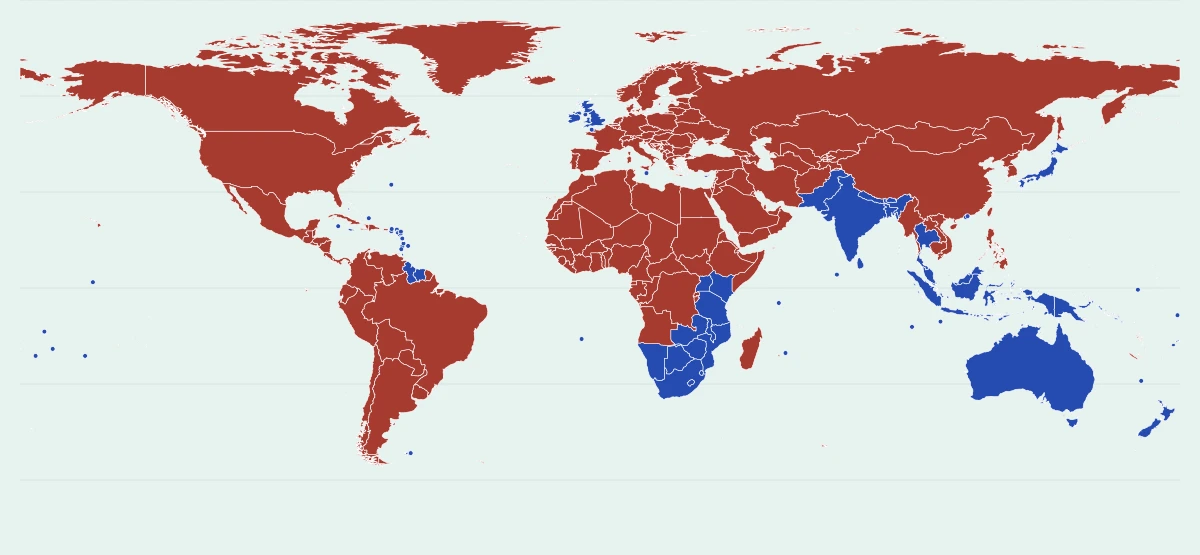
Traffic keeps left in the UK, Ireland, Malta and Cyprus, as it does in Japan, India, Thailand, Indonesia, Australia, New Zealand and parts of eastern and southern Africa. Traffic keeps right in France, Italy, the Philippines, Ghana and Rwanda. Guyana and Suriname are two South American exceptions worth remembering.
How to confirm it. Look at which side moving traffic uses or which shoulder has signs facing your direction. On a one-way or empty road, look for a second clue.
Tip 4
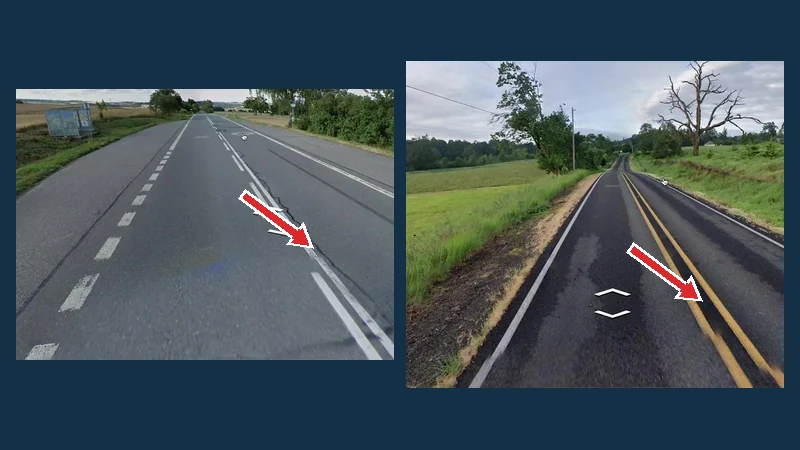
Read the centre and edge lines separately
White markings are common across much of Europe. In the Americas, yellow centre lines with white edges are common. Chile can have fully white roads or all-yellow markings, for instance in certain parks or snowy areas. In southern Africa and parts of the Middle East, look for a white centre line with yellow edges.
How to confirm it. Check dash length and thickness too. A yellow centre line can appear outside the Americas, including in Norway and on older imagery from Finland.
Tip 5
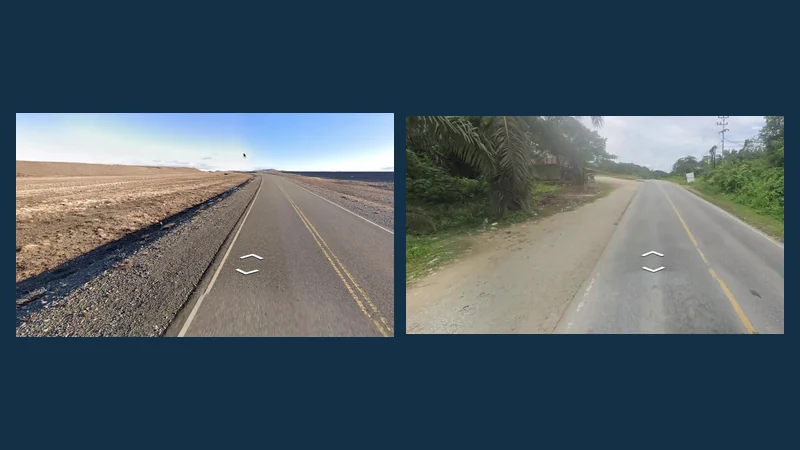
Match the climate to the region
A bare Patagonian road and a palm-lined route in Borneo point to different possibilities. Climate can vary sharply inside one country. In Chile, the vegetation in the south and the arid surroundings of Antofagasta suggest different parts of the map.
How to confirm it. Look at vegetation, soil and the broader landscape together. Irrigation, elevation and season can change your first impression.
Tip 6
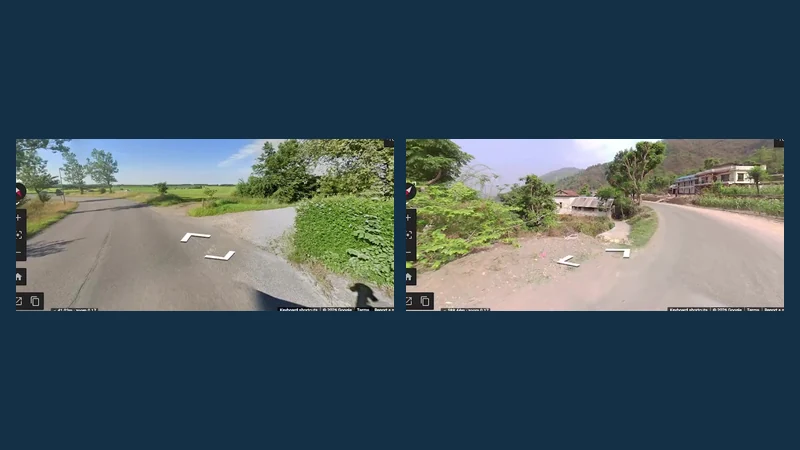
Match the relief to the map
Use slopes, valleys and the horizon to pick a region. Denmark and much of the Baltics are generally low-lying. The flat Terai in southern Nepal differs from the valleys and mountains farther north. In Türkiye, compare the northern ranges with the plains and other mountain systems.
How to confirm it. Check the terrain view for a match. Consider the distant relief as well as the slope of the road you are on.
Tip 7
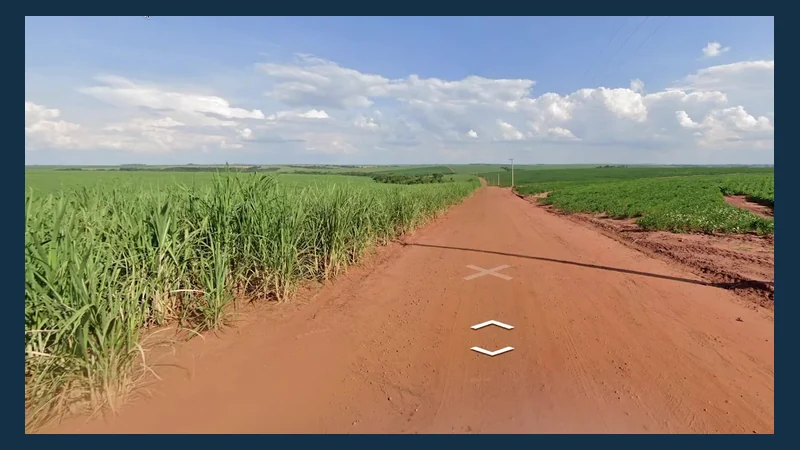
Use red soil as a regional clue
Red soil points to several farming regions in Brazil, including parts of São Paulo and the Paraná basin. It can also occur in Western Australia, southern Nigeria, Thailand, Paraguay and the nearby Argentine province of Misiones.
How to confirm it. Before choosing Brazil, look for Portuguese, road markings and the side of traffic. Soil and climate can look similar across continents.
Tip 8
Recognise the car that took the panorama
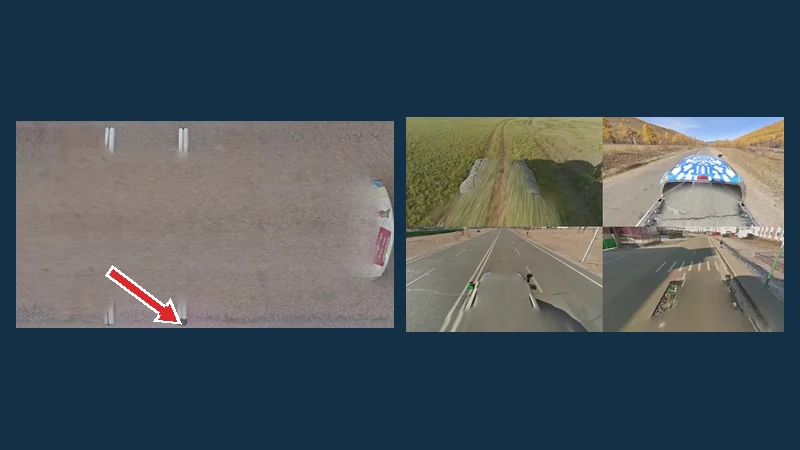
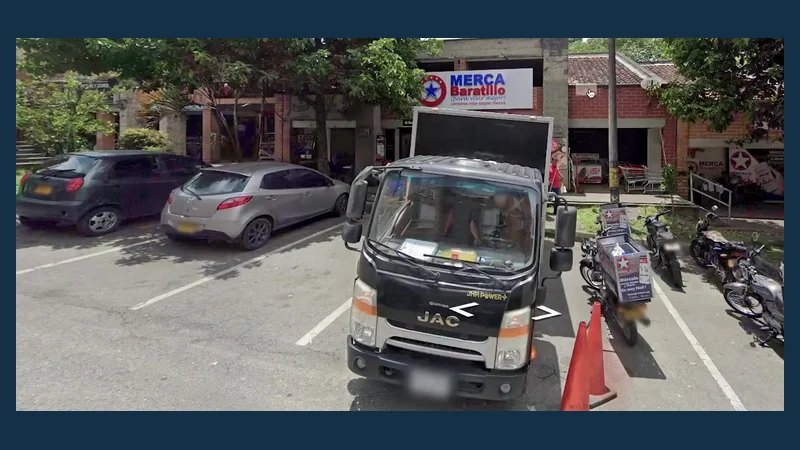
When you can look down, check which features stick out from the blur. Black tape on a roof bar is a well-known Ghana clue. In Mongolia some pickups show racks, red mirrors, snorkels or roof equipment. Grey car mirrors and roof bars often stand out in Guatemala.
How to confirm it. Check the terrain and signs when the equipment resembles imagery from Laos or Kyrgyzstan. Vehicles can vary with road, date or special coverage.
Tip 9
Compare blue bands on licence plates
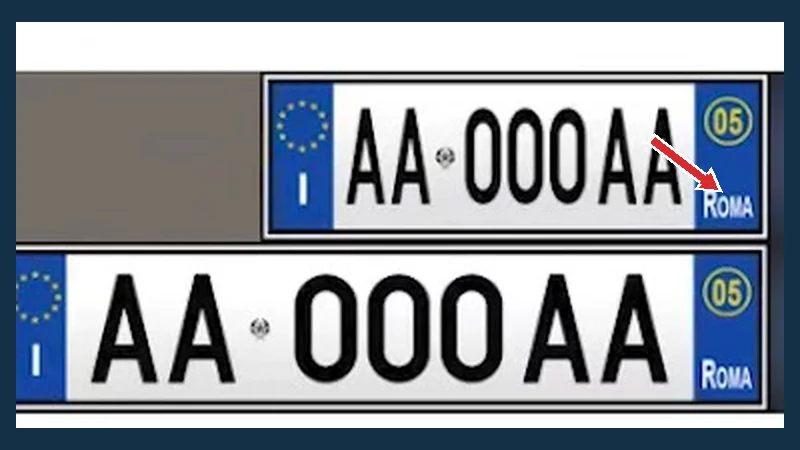
A blue band on the left is common on EU plates. Italy often combines two blue bands with a shorter front plate. France and Albania also have plate designs with blue at the right. Older Portuguese plates can have yellow on the right.
How to confirm it. Check a few vehicles. A car travelling across a border or a barely visible blue band gives weak evidence on its own.
Tip 10
Read the bollard shape and reflector
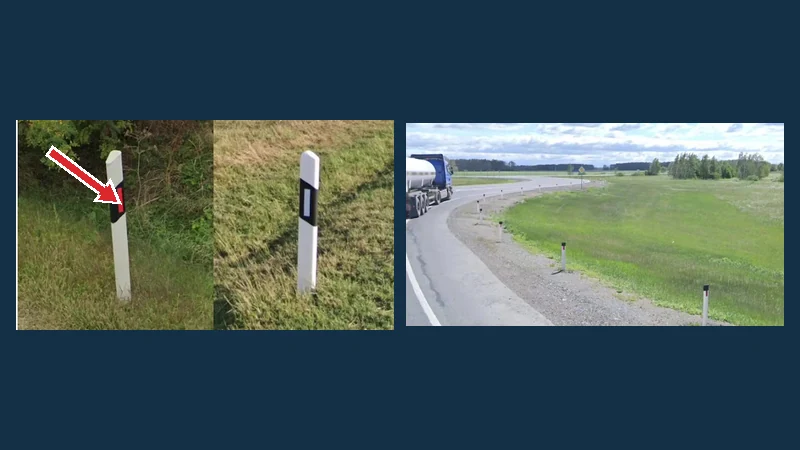
In Hungary, look for a white wedge-top bollard with a dark panel, a red reflector on one face and often a white reflector on the other. Croatian bollards can look similar but tend to be thinner, with the reflector higher. In Russia, layout matters too, for example closely spaced posts at some junctions.
How to confirm it. Look at shape, reflector position and repetition. An isolated post may be bent or a replacement.
Tip 11
Distinguish bend markers
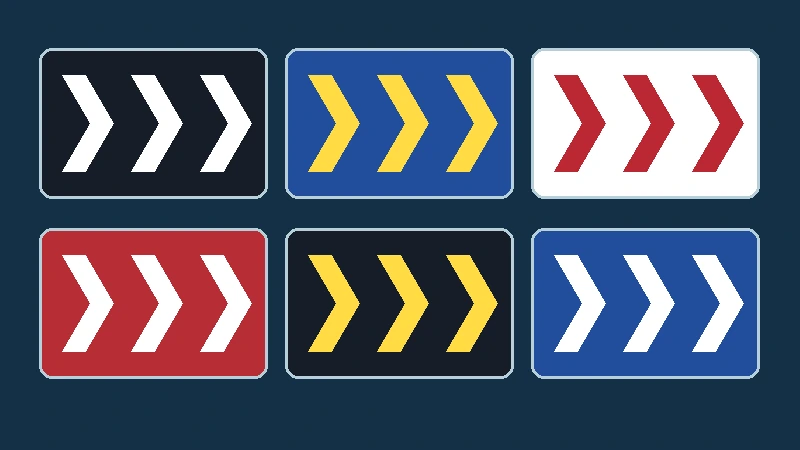
Read the background and arrow colours separately. Sweden uses yellow on blue. White on black appears in Britain and on some roads in southern Europe, while white on blue is useful in France. Several European countries use red on white, and white on red can point towards Russia and Ukraine. Yellow on black also appears in Portugal and Brazil.
How to confirm it. Find a second clue. Combinations such as black on yellow appear widely outside Europe.
Tip 12
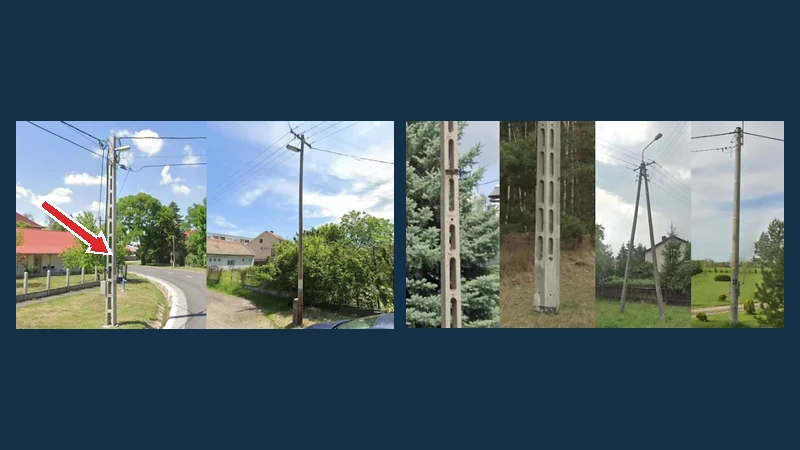
Check how far the pole openings extend
Hungary, Romania and Poland can have perforated concrete utility poles. Hungarian openings often run down towards the base. Romanian models can have wider or taller openings. In Poland, look for a solid lower segment on many of these poles.
How to confirm it. The same countries also have solid concrete or wooden poles. Get a second clue from the signs or settlement.
Tip 13
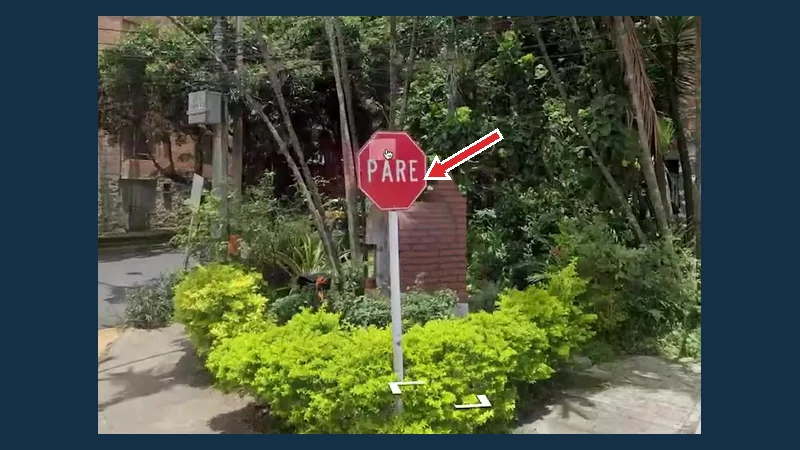
Read the word on the octagon
ALTO is common in Mexico and several Central American countries. PARE is widespread in South America, including Brazil. DUR points towards Türkiye, BERHENTI towards Malaysia and ARRÊT towards francophone parts of Canada such as Québec.
How to confirm it. STOP is used across many countries. PARE can be repeated on the road and is most useful alongside language, plates and road markings.
Tip 14
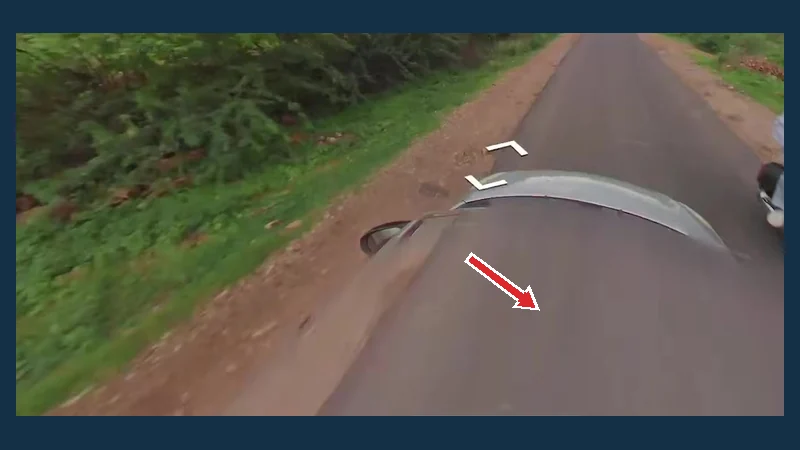
Recognise low-quality imagery
Soft images, brownish colours and sometimes a big blurred patch over the vehicle are useful hints in parts of India and Nepal. Similar imagery can appear in Cambodia and elsewhere depending on the coverage.
How to confirm it. Check that the panorama has fully loaded and that the softness persists in multiple directions. Confirm with signs, traffic and landscape.
Tip 15
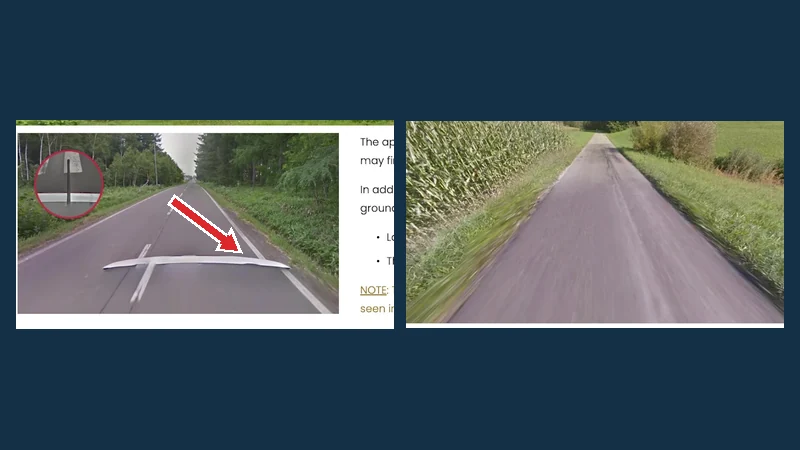
Distinguish a low camera from blur
A lower camera can make the road look wider and change how the verge sits in the frame. Japan and Switzerland are useful examples to study. Some imagery in Liechtenstein and Sri Lanka can show a similar viewpoint.
How to confirm it. When fields or woodland look similar, combine the camera height with the side of traffic. Japan drives on the left and Switzerland on the right.
Tip 16
Compare yellow front and rear plates
Yellow is common on both ends of a car in the Netherlands and Luxembourg. In the UK, ordinary vehicles usually carry a yellow rear plate and a white front plate. Yellow plates are widespread in Colombia, and can also appear in Israel, Oman, Sri Lanka and on some vehicle classes in India.
How to confirm it. Check the front and back of several vehicles, then look at traffic direction and writing. A single taxi or van may have a different type of plate.
Tip 17
Tell Australia and South Africa apart
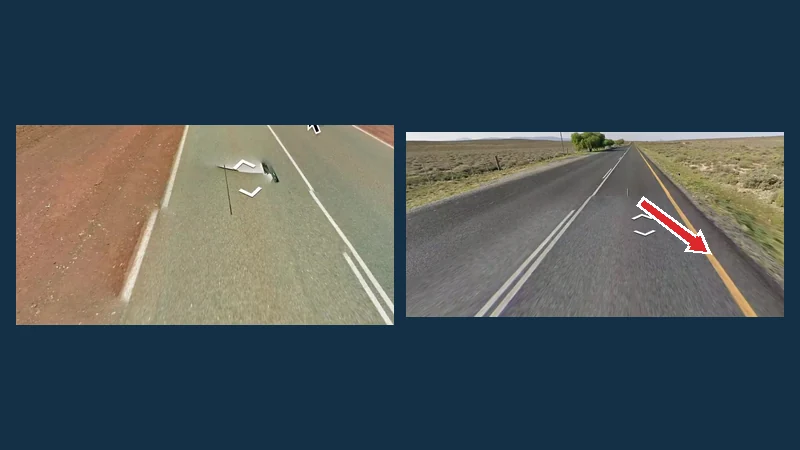
Both drive on the left and can look dry. On many Australian roads, the centre and edge lines are white. South Africa commonly has a white centre and yellow edges. Eucalypts and red soil can support Australia. Red-and-white chevrons and yellow edges help with South Africa.
How to confirm it. Look for two clues together. Red soil and eucalypts can both appear in either country.
Tip 18
Use speed signs to distinguish Canada and the US
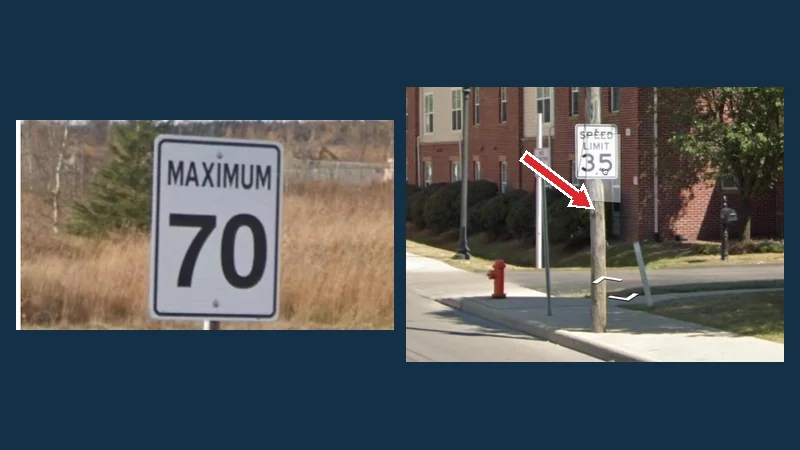
Canadian signs often read MAXIMUM. The typical US sign reads SPEED LIMIT on two lines. Canada uses kilometres per hour, while the US uses miles per hour. This helps make sense of the number when you cannot read the heading.
How to confirm it. Read the wording first. A number such as 35 or 70 is rarely enough by itself.
Tip 19
Read website domains on signs and vans
A web address can narrow the options. Remember .de for Germany, .hr for Croatia (Hrvatska), .hu for Hungary, .br for Brazil, .ru for Russia and .co.uk in the UK. Look on advertisements, shop windows and company vehicles.
How to confirm it. A domain can belong to a foreign company. Confirm it with the surrounding language or another local address.

Tip 20
Review the rounds you get wrong
Choose a pair you often confuse. Play ten focused rounds and note the clue you missed each time you get one wrong. Review the panorama after seeing the result, then try the same pair again with your notes closed.
How to confirm it. Practise with the same game restrictions you normally use. In No Move, work from the details in the frame. In Moving, look for plates, signs and speed limits.
Sources and further reading
The cards combine study frames and original diagrams. Street View imagery is from Google and its imagery providers.