
Guide to Japan
Recognise Japan’s regions in GeoGuessr with 30 illustrated clues, from Hokkaidō’s hanging arrows to Okinawa’s utility-pole plates and transformers.
Explore Japan in the Atlas
Map of regional clues
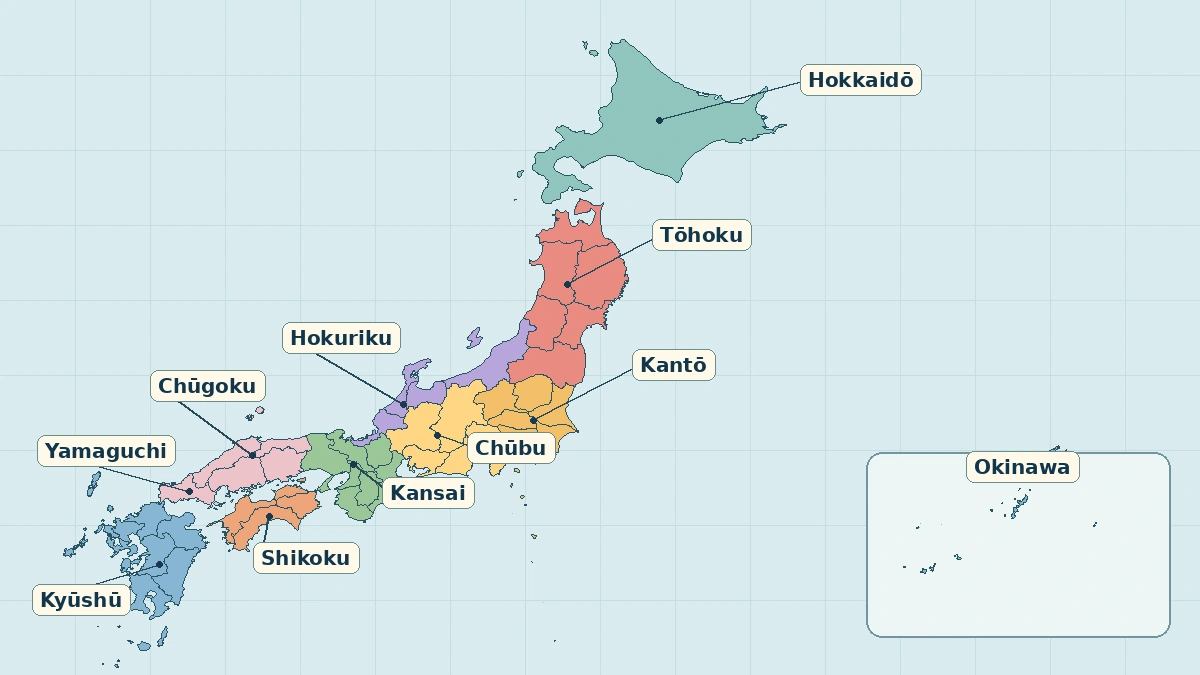
Use the map to get your bearings. The guide covers Yamaguchi separately within Chūgoku. Use several details where clues overlap.
Hokkaidō
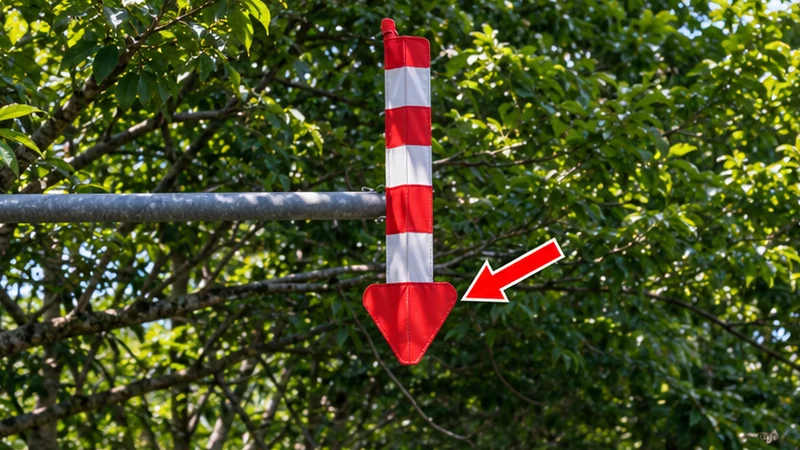
Hanging red-and-white arrow
Look above the verge for a downward arrow. It marks the road edge when snow covers it. Follow the row of tips to trace the edge of the road.
How to confirm it. Look for a row of arrows along the road. It is a strong Hokkaidō clue, with exceptions outside the island.
Hokkaidō
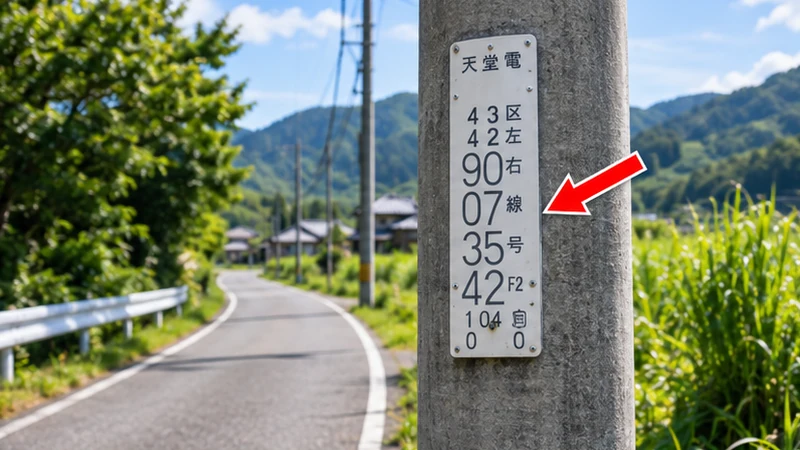
Long plate with stacked numbers
Look for a tall white pole plate with several rows of numbers. Check how the numbers are arranged before trying to read them.
How to confirm it. Compare the layout on a second pole and look for hanging verge arrows.
Tōhoku
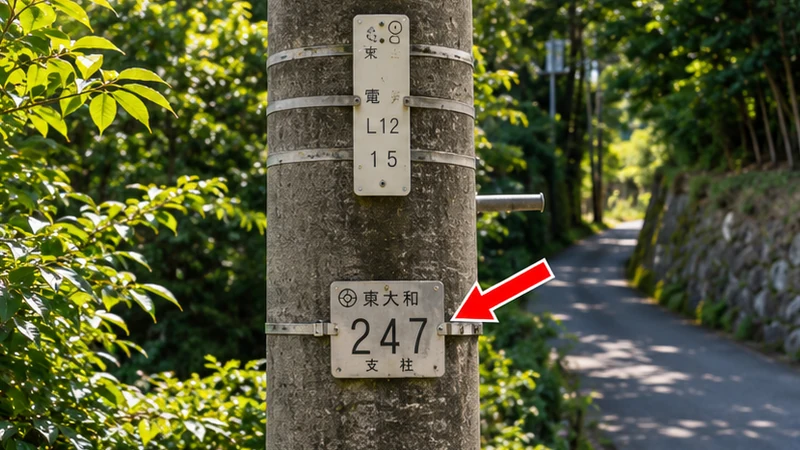
Stacked utility-pole plates
Look for the tall, narrow plate and a wider plate below it with a large number. The vertical gap between the two plates is especially helpful.
How to confirm it. Check the two plates together and compare reflectors on nearby poles.
Tōhoku
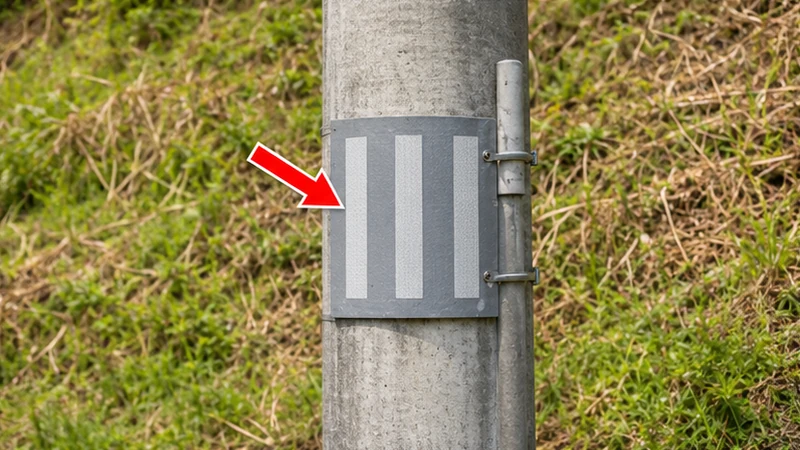
Grey band with pale vertical bars
Look low on the pole for the grey panel with pale vertical bars. Check whether the white strips stand out against the grey even from a distance.
How to confirm it. Check the grey background and look for a consistent pole plate. Light and wear can alter the colour.
Kantō
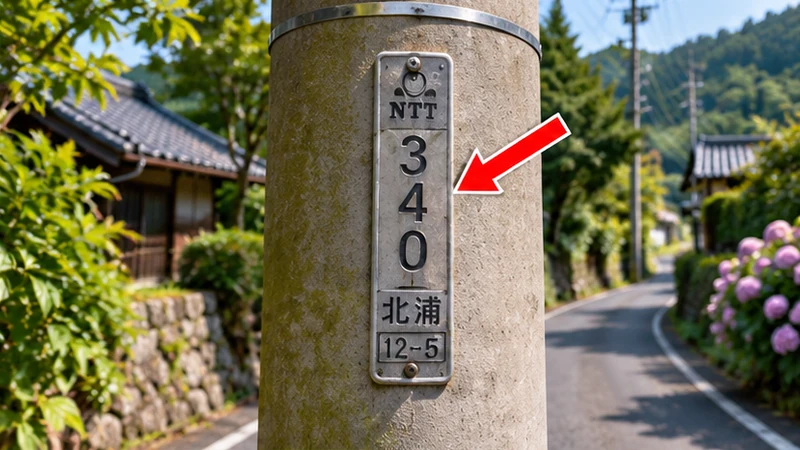
Narrow plate with a vertical code
Find the slender rectangular pole plate and study the vertical code layout. If the digits are blurred, use the width of the plate as a reference.
How to confirm it. Compare its shape and layout with the rounded Chūbu example and check the insulators above.
Kantō
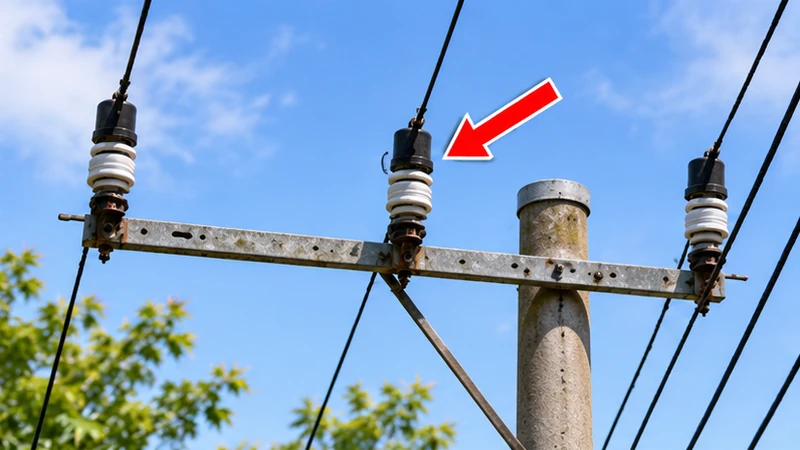
Tall insulators above the crossarm
Follow the horizontal arm to the upright insulators with tall dark caps. A clear sky background makes the cap shape of the insulators easier to see.
How to confirm it. Compare their proportions, the arm and the plate together. A single distant insulator can mislead.
Chūbu
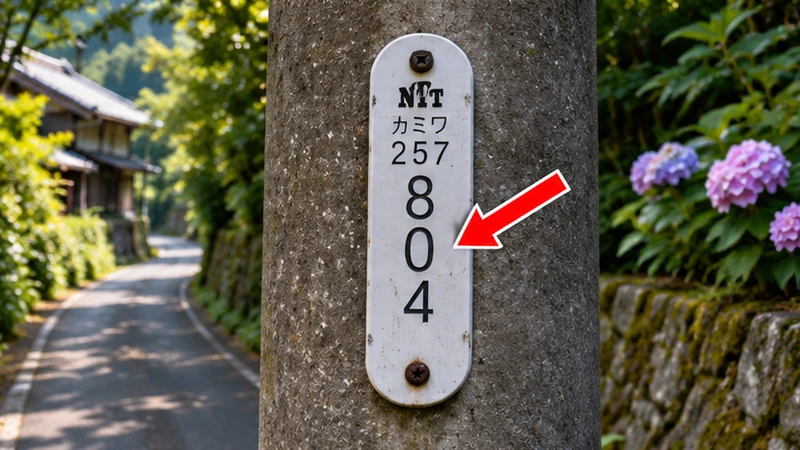
Rounded-end utility-pole plate
Look for a narrow plate with rounded ends and large vertically arranged digits. Check the outline, which can remain visible even when the code is unreadable.
How to confirm it. Compare the outline and layout on a second pole.
Chūbu
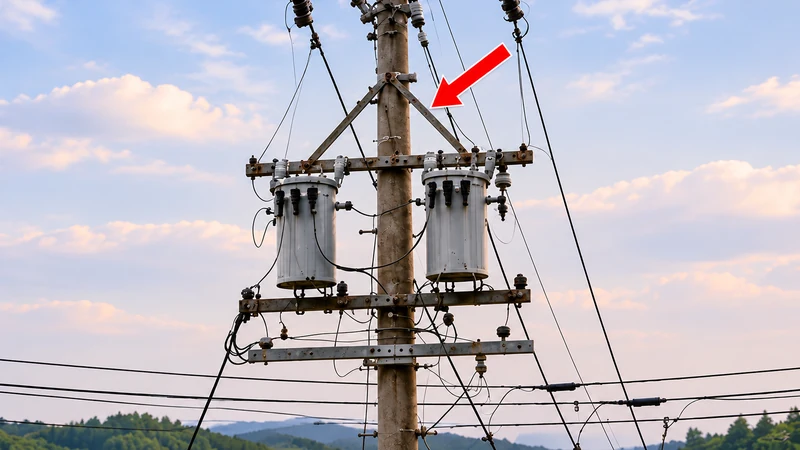
Triangular crossarm support
Look for slanting supports that form a triangle with the pole above the equipment. Look where the braces meet the pole.
How to confirm it. Check the triangle from another angle and compare the pole plate.
Hokuriku
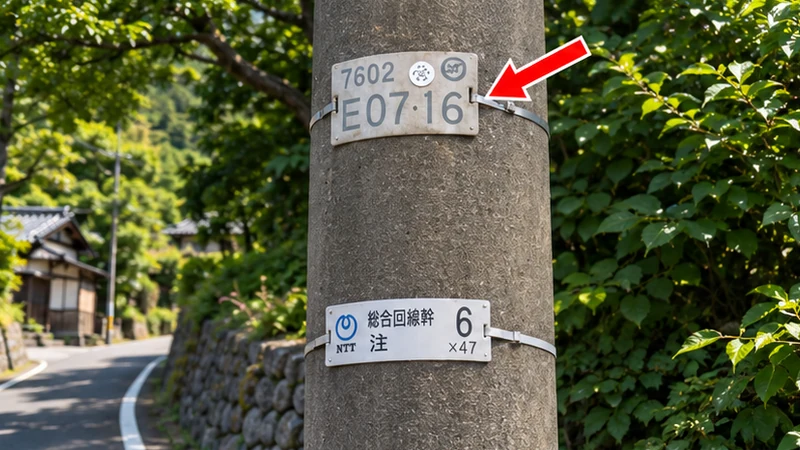
Horizontal band-mounted plates
Notice how the two pale, wide plates follow the curve of the pole. Use the width of the pole as a reference for the proportions of the plates.
How to confirm it. Distinguish the horizontal layout from vertical designs and look for it on several poles.
Kansai
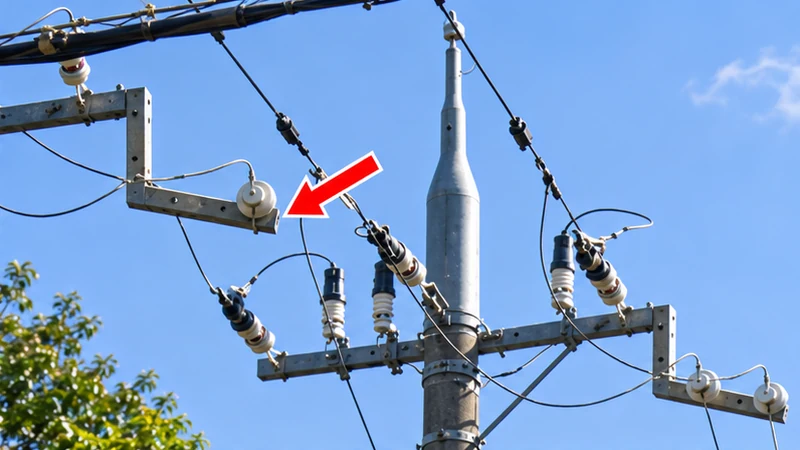
Stepped crossarm with an open bend
Look for the change in height in the arm near the insulators. Compare the height of the arm on either side of the bend.
How to confirm it. Compare the profile with the more square Shikoku bend and check it from another angle.
Kansai
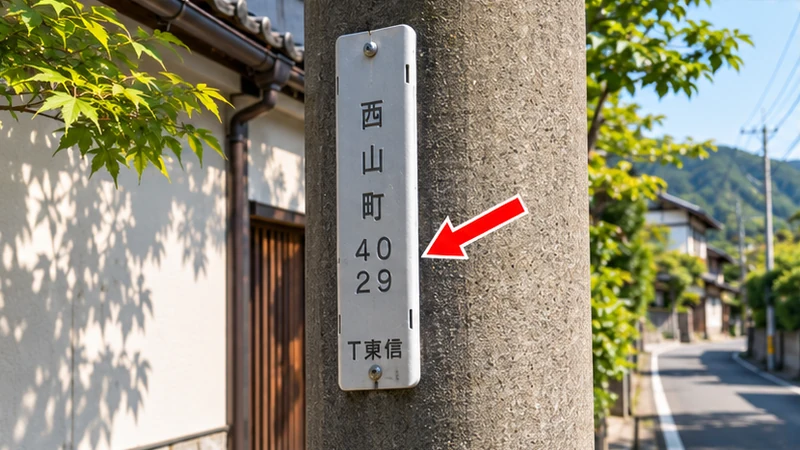
Tall rectangular utility-pole plate
Look for the narrow light plate with writing in columns and fixings near the ends. Check how much space the column of characters takes up inside the border.
How to confirm it. Other areas have similar plates. Look for a stepped arm or the transformer arrangement as well.
Kansai
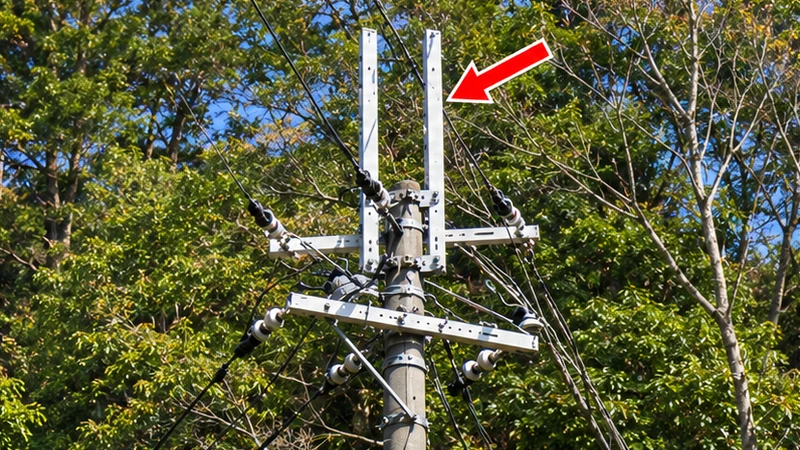
Pole top with two uprights
Look above the crossarms for two vertical elements side by side. Compare the gap between the uprights with the spacing of the insulators.
How to confirm it. Check the full arrangement of uprights and insulators. Foliage may hide one of them.
Kansai
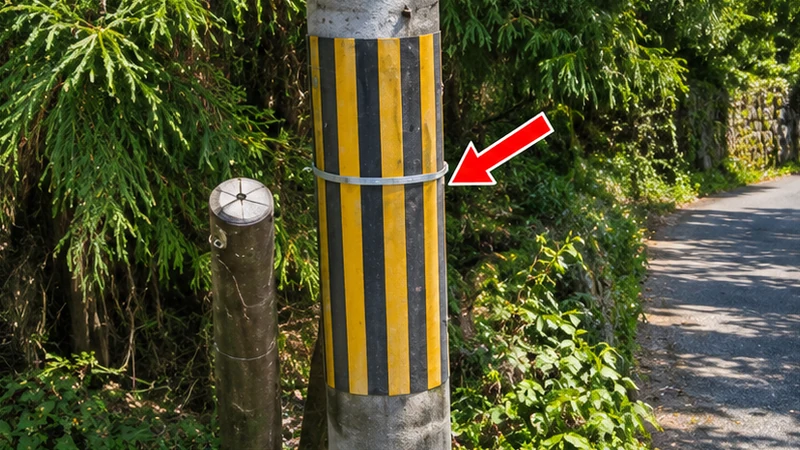
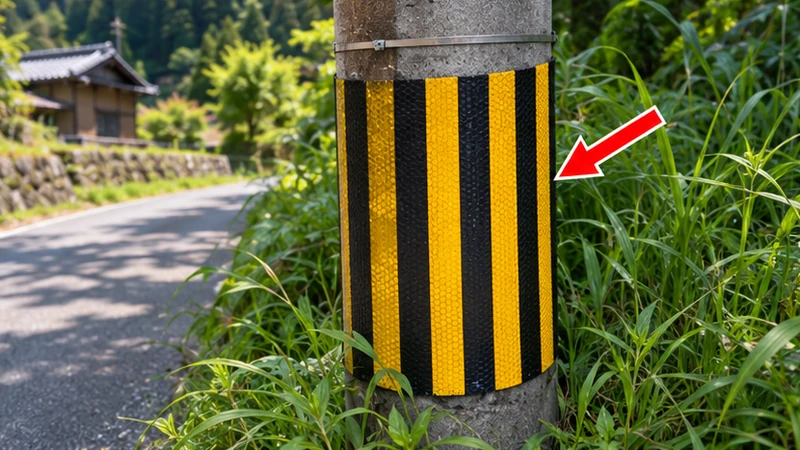
Tall yellow-striped band
Look for the long vertical wrap with narrow yellow stripes on a dark background. Check how far the stripes extend up from the base of the pole.
How to confirm it. Compare its height, stripe width and mounting with Shikoku and Kyūshū examples.
Kansai
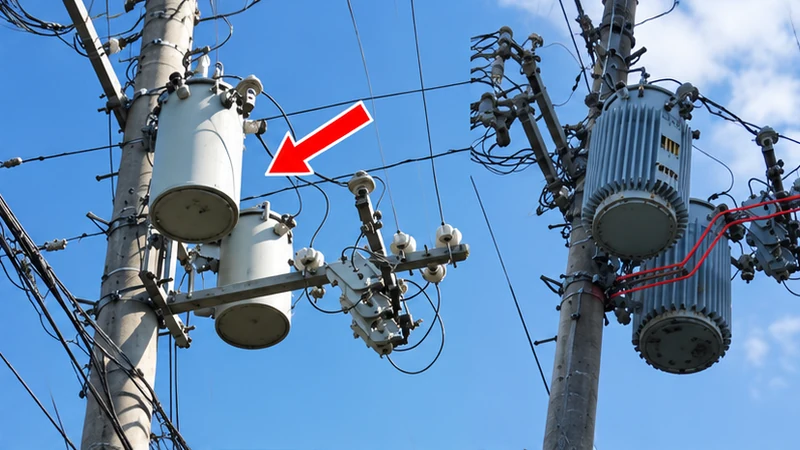
Transformers and their mounting
In the two examples, compare the cylinders and the arm holding the insulators. In the two views, compare the attachment before counting the cylinders.
How to confirm it. Check how the assembly attaches to the pole. Cylinders alone are a weak clue.
Chūgoku
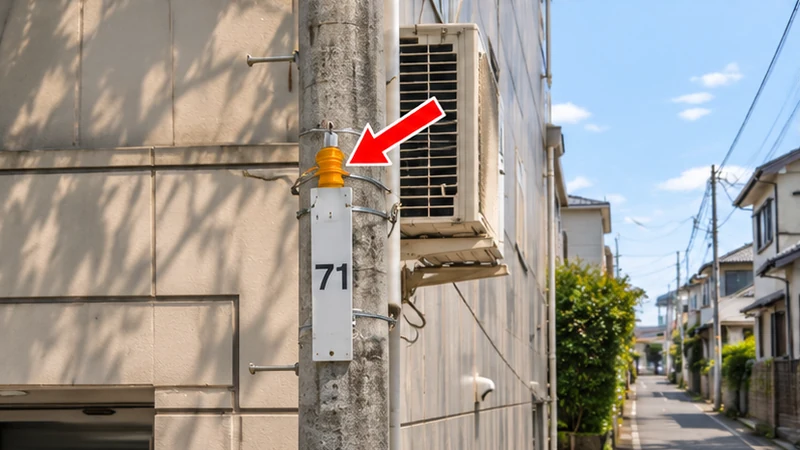
Orange arrow-shaped pole marking
Find the tiny orange marking and study its shape in the foreground. Use the point and shaft to distinguish the mark from a plain band.
How to confirm it. Use it as a local supporting clue. Compare the plate and hardware before choosing a region.
Chūgoku
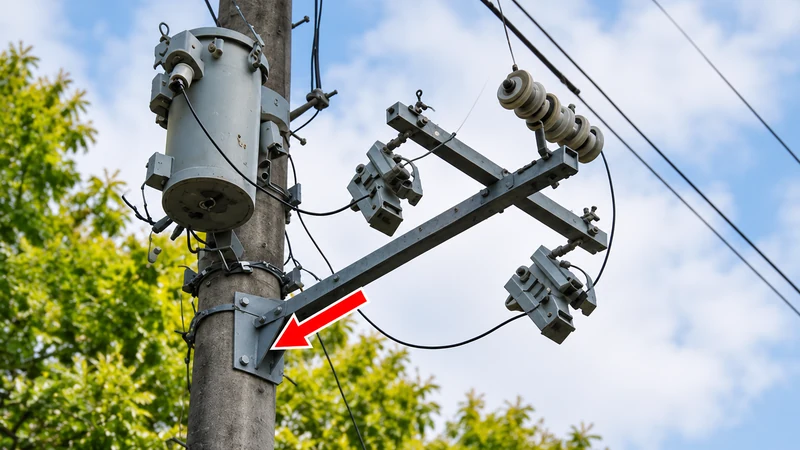
Crossarm with a full triangular brace
Trace the arm to the pole and look for the brace closing the triangle at the mounting point. Compare the joint with the part of the arm that projects outward.
How to confirm it. Compare it with the partial brace in Shikoku. Study the mounting as well as the insulators.
Chūgoku
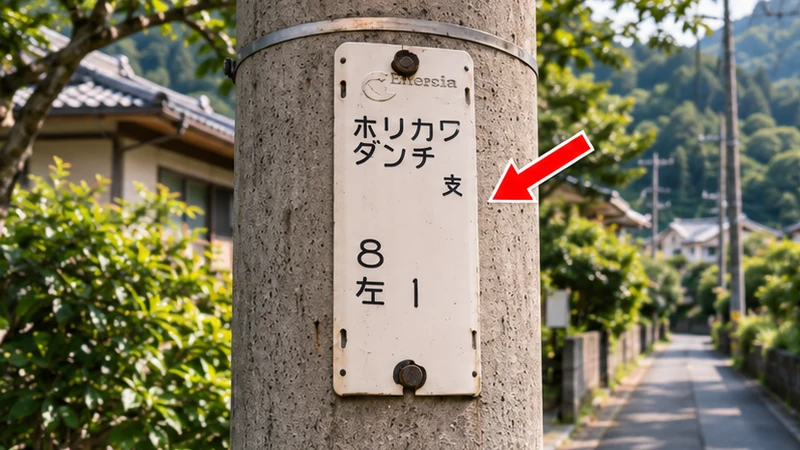
Light plate with spaced lettering
Look for the pale front-facing plate with two holes and groups of characters along its length. Even from a distance, the gap between groups of characters can be visible.
How to confirm it. Compare several poles. The wording can vary by locality.
Chūgoku
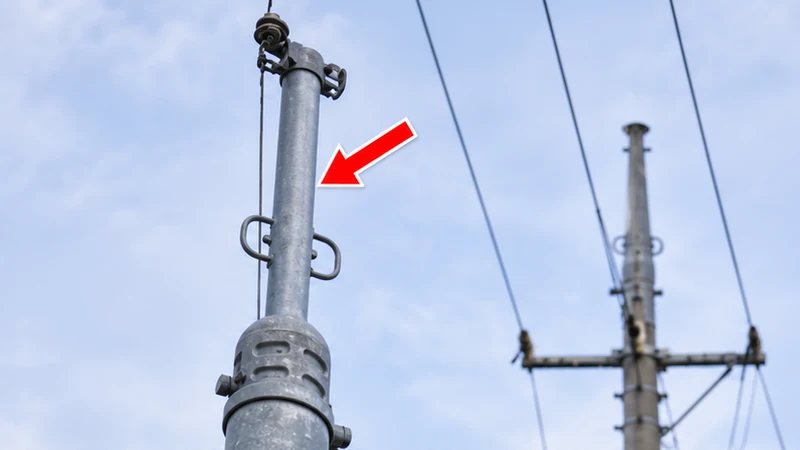
Slender fitting at the pole top
In the left panel, look for the slender fitting with small side loops. Compare it with the thicker one on the right. Use the silhouette at the top to distinguish the fitting from the wires behind it.
How to confirm it. Use the slender profile alongside the arm and plate. The thicker version is less distinctive.
Yamaguchi
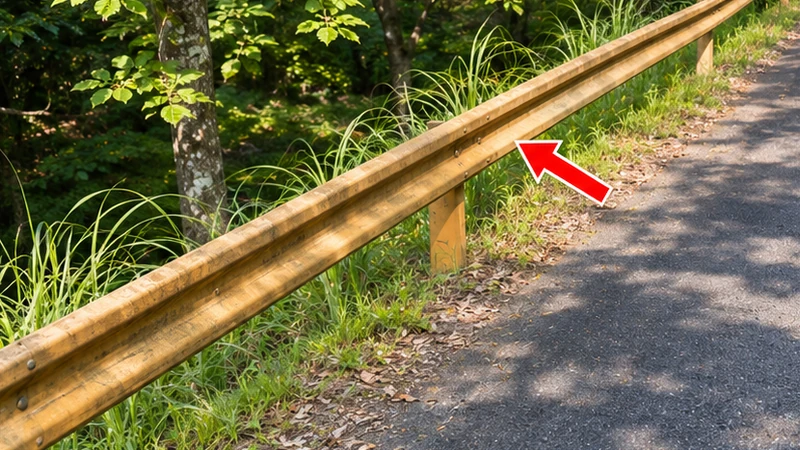
Ochre guardrail
Look at the roadside barrier. Ochre is useful on roads managed by Yamaguchi Prefecture. Follow the barrier for a few metres to see whether the colour repeats.
How to confirm it. Check that the colour repeats along the barrier. Other guardrail colours also occur in the prefecture.
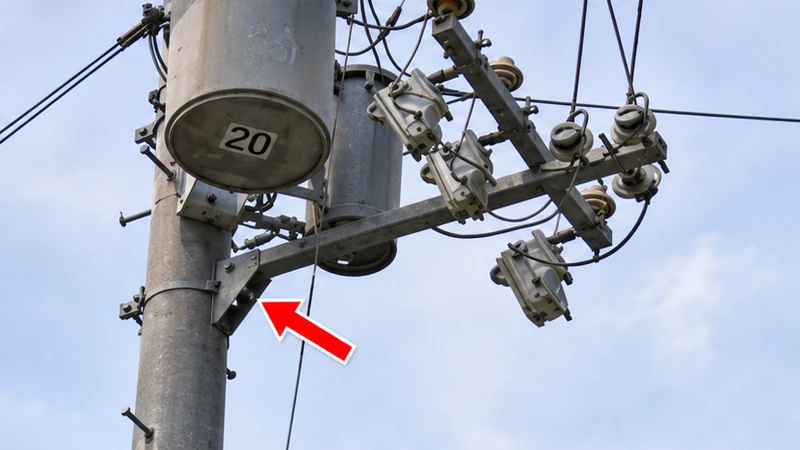
Shikoku
Crossarm with a partial brace
Look at the base of the crossarm for its partial triangular brace. Check where the brace ends relative to the tip of the crossarm.
How to confirm it. Compare it with the full triangular brace in Chūgoku before deciding.
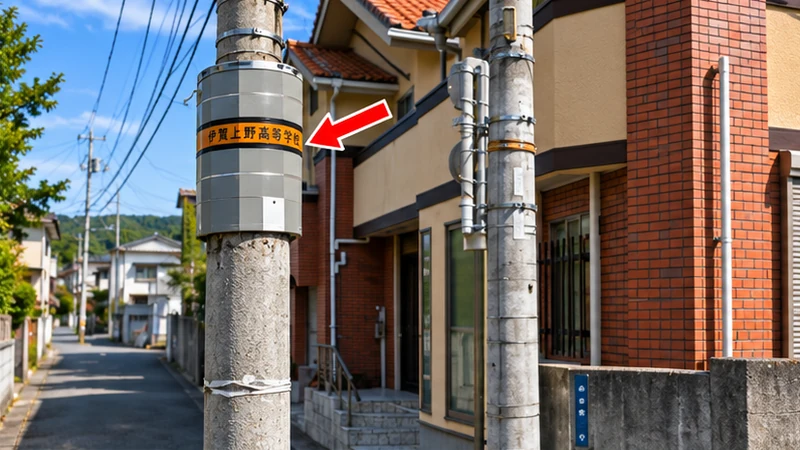
Shikoku
Coloured band on a post
On the foreground post, look for the small band around the post. Look for the edges of the band to distinguish it from reflections on the support.
How to confirm it. Check for repetition along the road and combine it with pole plates or crossarms.
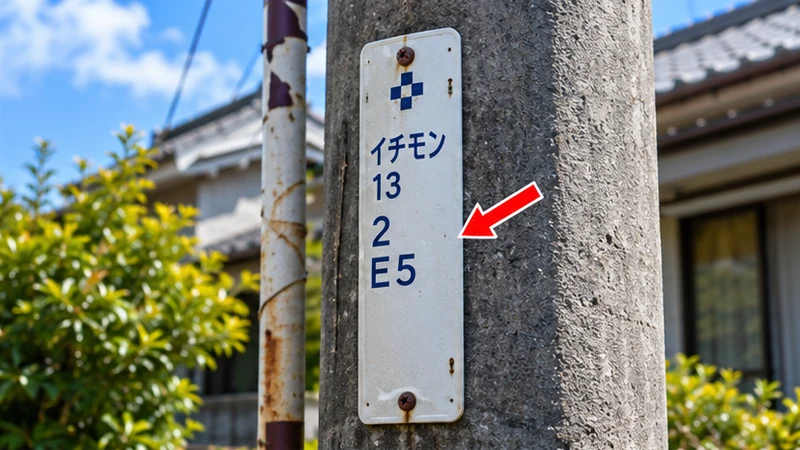
Shikoku
Plate with a symbol and stacked code
Look for the dark symbol near the top and the code running underneath. Compare the position of the symbol with the start of the column below.
How to confirm it. A blurred plate is easy to confuse. Check the crossarm on the same pole.
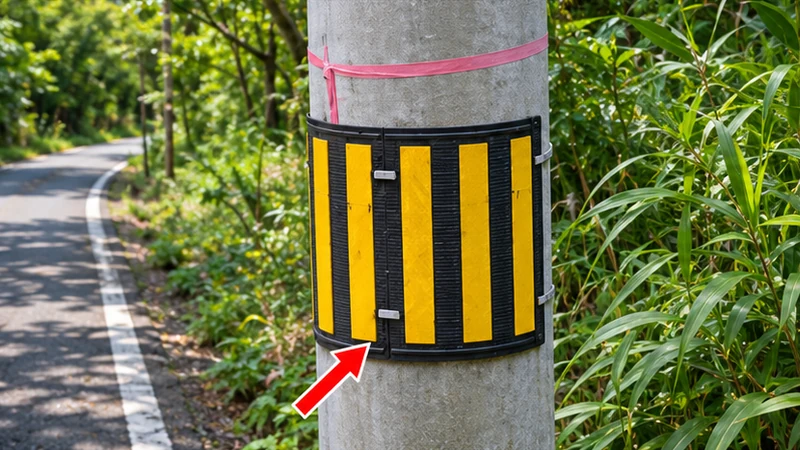
Shikoku
Low black-and-yellow wrap
Look for the low band with parallel yellow and black stripes. Use the upper edge of the panel to judge the height of the band.
How to confirm it. Compare its proportions with Kyūshū or Okinawa. Confirm with other pole details.
Kyūshū
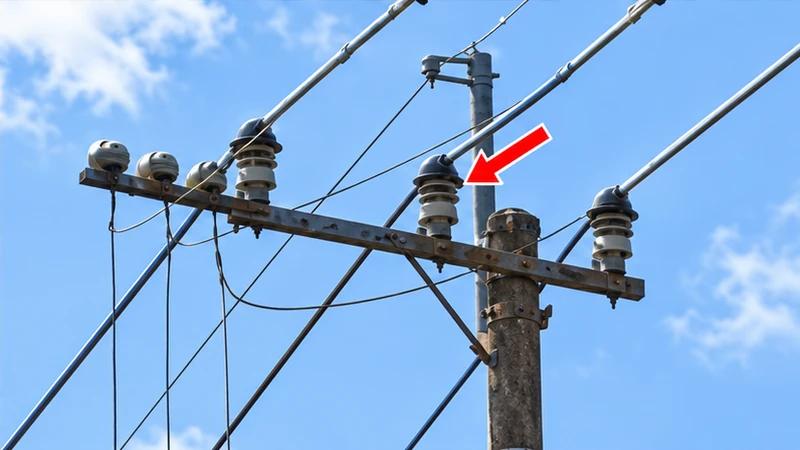
Bulky crossarm insulator
Look on the crossarm for the bulkier dark insulator highlighted in the example. Compare the thickness of the insulator with the other fittings on the crossarm.
How to confirm it. Confirm its profile from another view and check the transformer arrangement.
Kyūshū
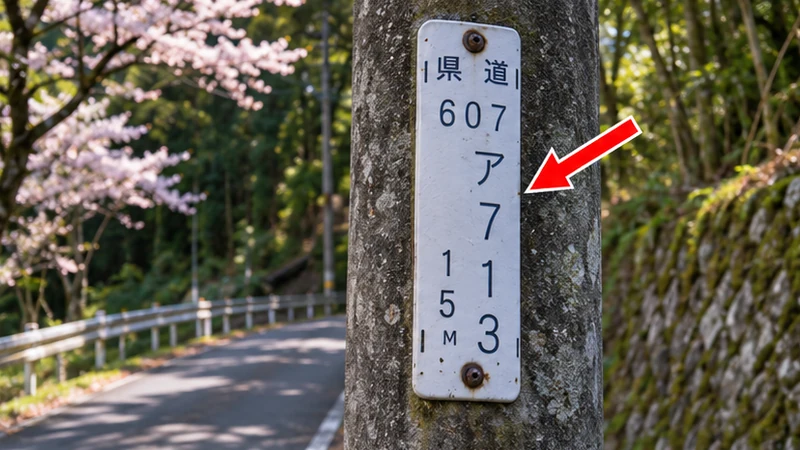
Narrow plate with a symbol at the top
Find the dark symbol and follow the column of digits below it. If the characters are blurred, check how the symbol aligns with the code.
How to confirm it. Compare several examples before deciding, since many Japanese pole plates use a vertical layout.
Kyūshū
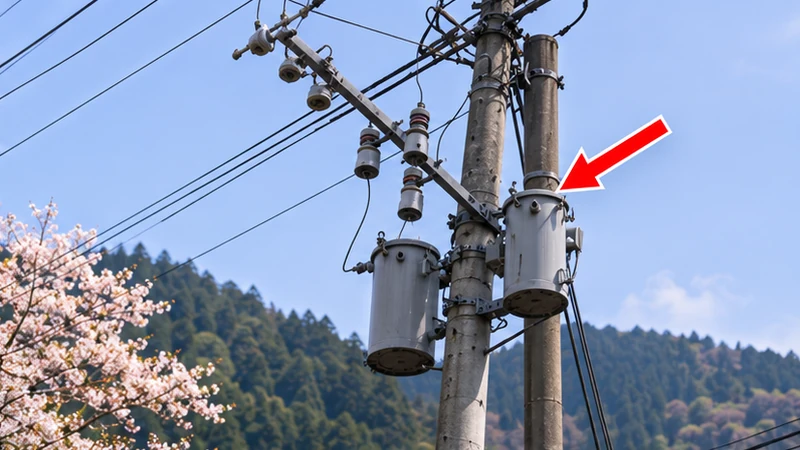
Transformers mounted on different sides
Look at the cylinders around the pole and their position relative to the crossarms. Use the pole as an axis to see which side each cylinder hangs from.
How to confirm it. Compare the full assembly with Okinawa. The positions of the cylinders matter more than how many there are.
Kyūshū / Okinawa
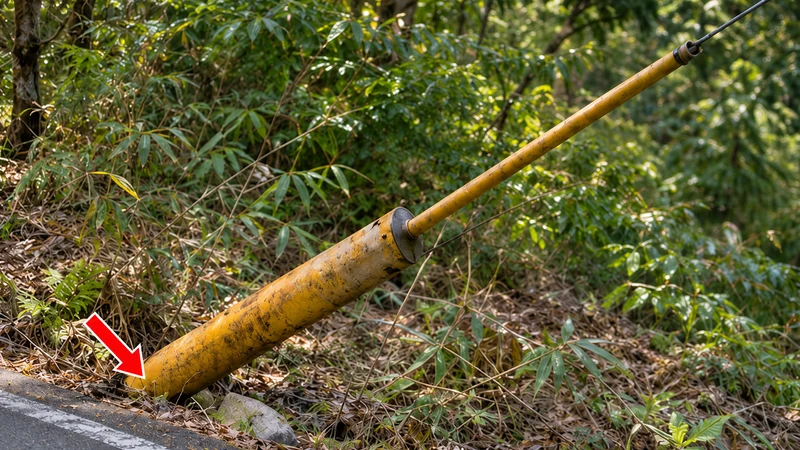
Sleeve on a diagonal guy wire
Near the ground, look for the thick sleeve on the slanted support wire. Follow the sloping wire to the ground and identify the thicker section.
How to confirm it. It is shared by Kyūshū and Okinawa. Use a plate or place name to separate them.
Kyūshū / Okinawa
Low black-and-yellow striped band
Check the wrap at the foot of the pole and its alternating yellow and black stripes. Check how the band wraps around the pole close to the ground.
How to confirm it. Similar patterns occur elsewhere. Compare the stripe width and look at the nearby guy wire.
Okinawa
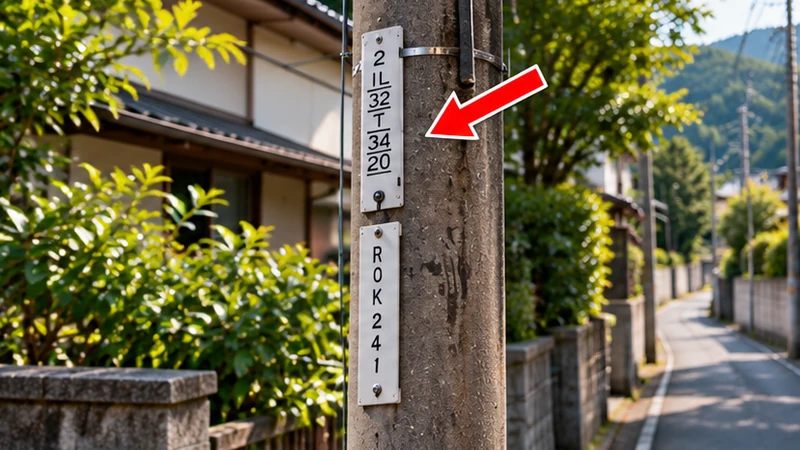
Two vertical plates in a column
Look for two long light plates mounted one above the other. Check whether the space between the two plates is clear even from an angle.
How to confirm it. Check that both elements are plates and look at the transformer configuration as well.
Okinawa
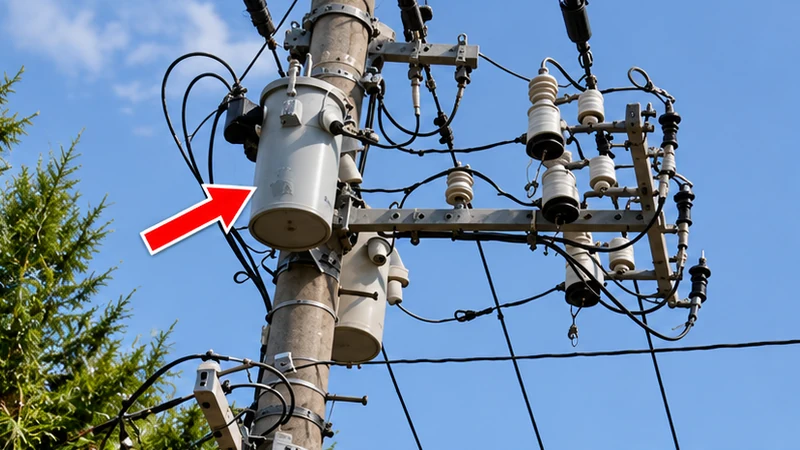
Transformers with a side frame
Trace the side frame towards the insulators and see where the cylinders sit relative to the pole. Locate the side of the pole where the frame projects before counting the components.
How to confirm it. Compare the frame orientation with Kyūshū and look for a second clue.
The scenes are illustrative reconstructions. The lettering on plates is illustrative.