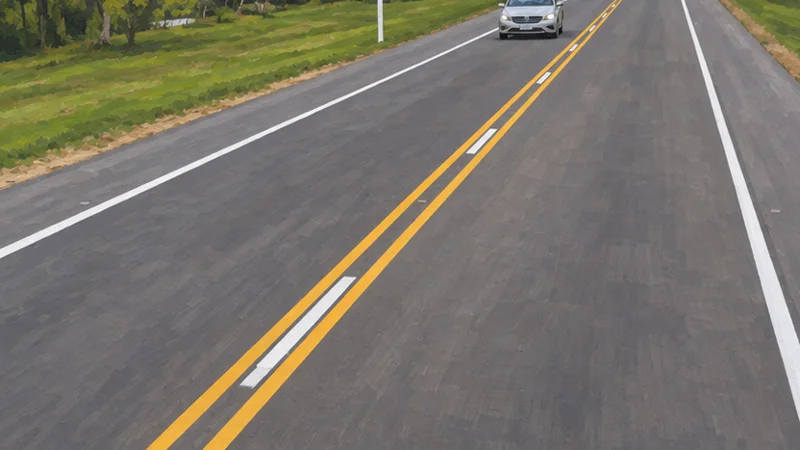
Road markings
Compare 24 clues from 22 countries. Look at line colour, dash patterns and placement.

Argentina

Centre-line patterns
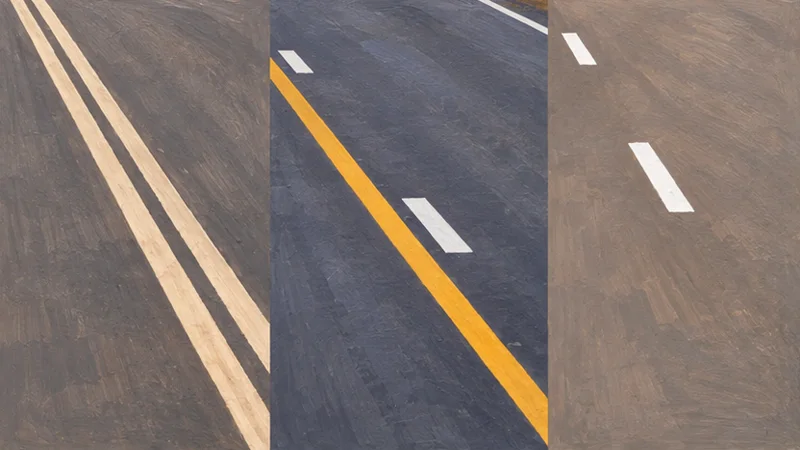
In the Argentine collage, compare the parallel pale lines on the left, the yellow line beside short white segments in the middle, and the isolated white dashes on the right. First establish which markings separate traffic and which mark the shoulder, then use the landscape to narrow your guess.
Australia

White markings
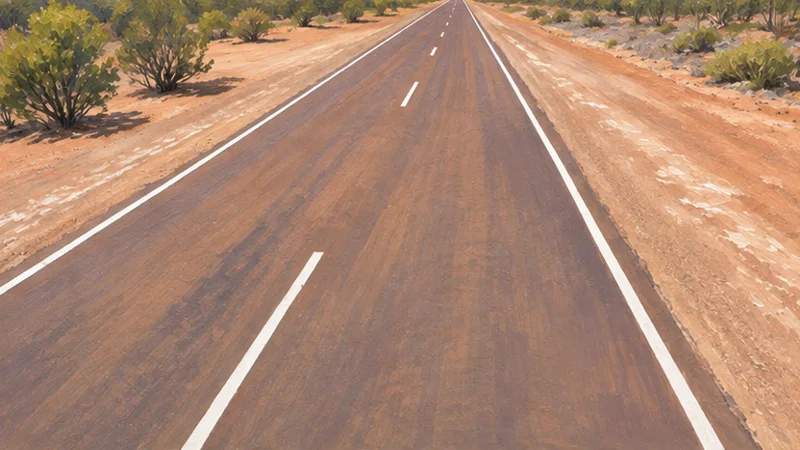
Follow the broken white centre line into the distance, then look for the continuous white lines at the edges. On this Australian road, the dry reddish shoulders make the edge markings stand out. Combine the paint with the roadside setting and clues about which side traffic drives on.
Canada
Yellow centre line
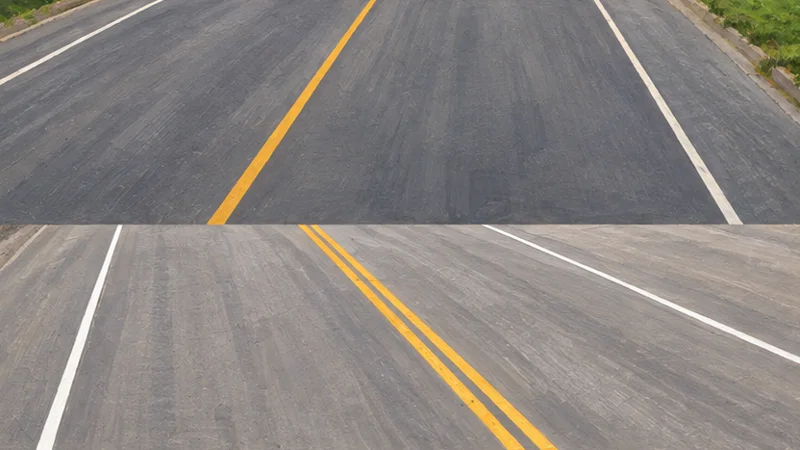
In the upper panel, trace the single yellow line in the middle of the road. In the lower panel, count the two yellow lines running side by side. These Canadian examples show why a single or double line alone cannot distinguish Canada from the United States or Mexico.
Chile

White and yellow compared
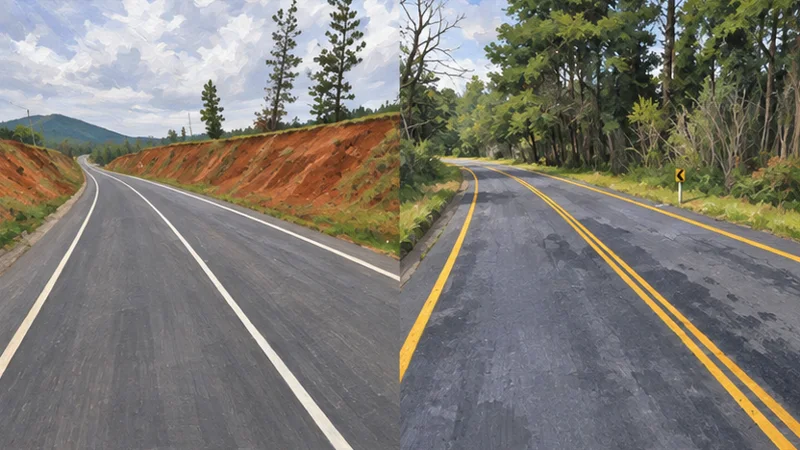
The left-hand road has white markings, while the right-hand road has two yellow centre lines and a yellow edge line. Compare the same parts of the carriageway in both panels. The difference shows why you should check the surroundings before ruling Chile in or out based on colour alone.
Denmark
Row of white squares
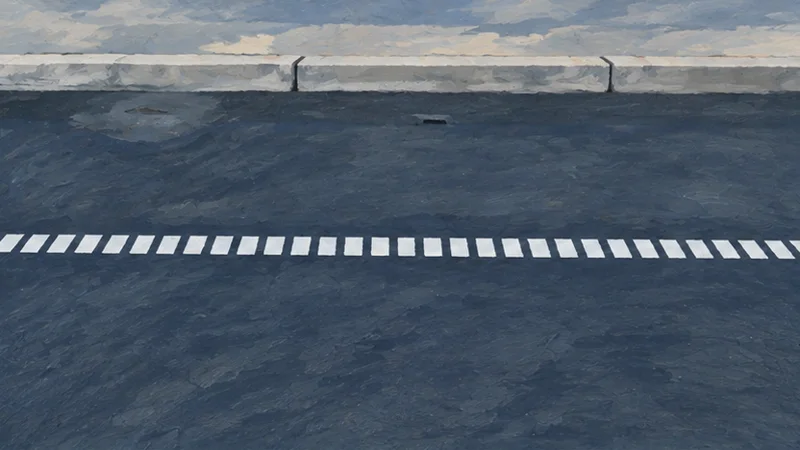
Look across the dark asphalt for a row of closely spaced white squares or short rectangles. Notice their nearly uniform size and the narrow gaps between them. These proportions help you distinguish the Danish example from the longer dashes used for many lane or edge markings.
Estonia

Short edge dashes
Look along the outside edge of the road at the short white dashes. Compare each segment with the unpainted gap before the next one. Sweden has a similar example in this guide, so use the roadside posts, signs and scenery to distinguish the two countries.
Finland

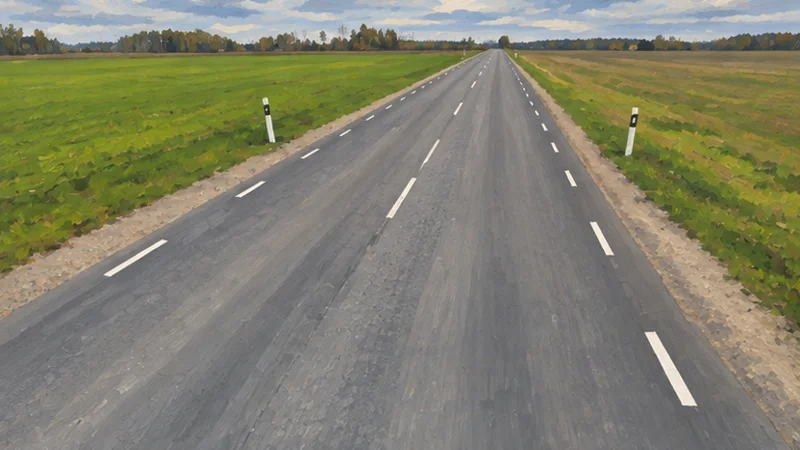
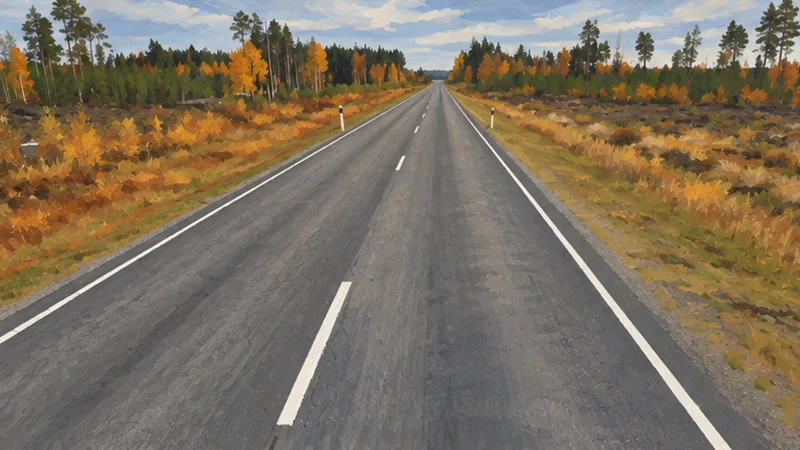
Continuous edge lines
Trace the white line at either edge of the road and notice that it runs without gaps. The centre line, by contrast, is broken. Compare the continuous edges in this Finnish scene with the longer Norwegian edge dashes and the shorter Swedish ones.
France
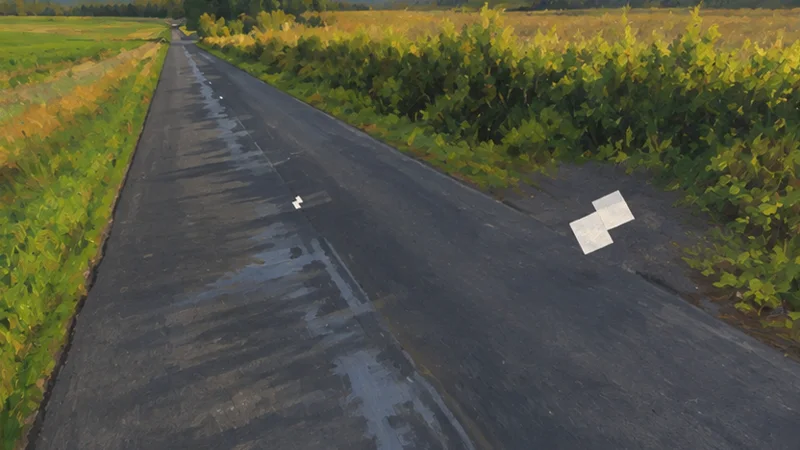
Offset white blocks
Look at the pair of small white blocks on the right side of the image. One sits slightly ahead of the other, producing a staggered pattern. The relative position of the blocks is the detail to remember when comparing this French example with a regular row of squares.
Greece

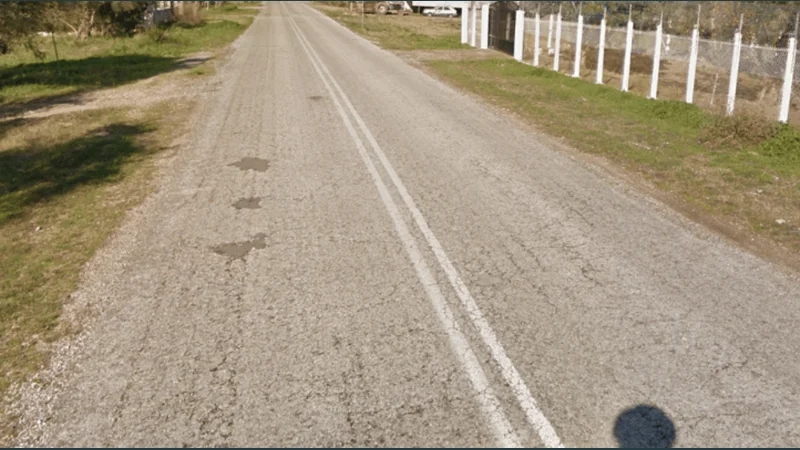
Faded double line
Look near the centre of the road for two thin parallel lines. The white paint is worn and blends into the pale asphalt, so follow both lines into the foreground. This Greek example is a reminder to inspect faint markings before deciding how many lines are present.
Ireland

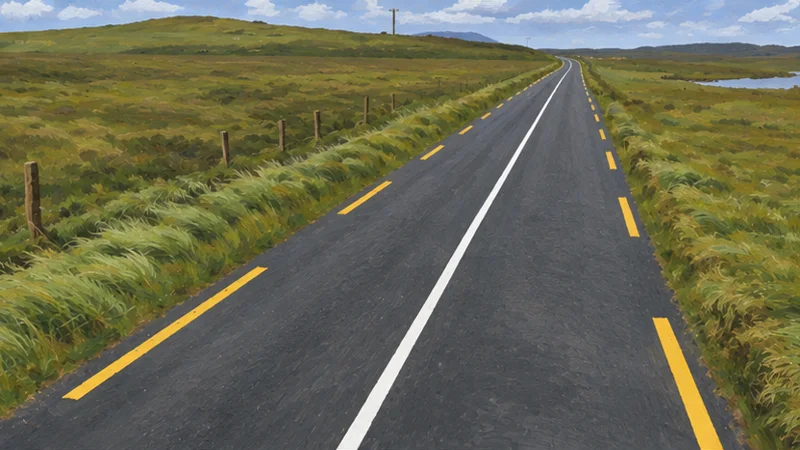
Yellow dashed edges
Start at the shoulder and look for the gaps between yellow segments at the edge. Then check the clearly visible white marking in the middle. The combination of dashed yellow edges and a white centre line is more useful for recognising this Irish example than yellow paint alone.
Israel
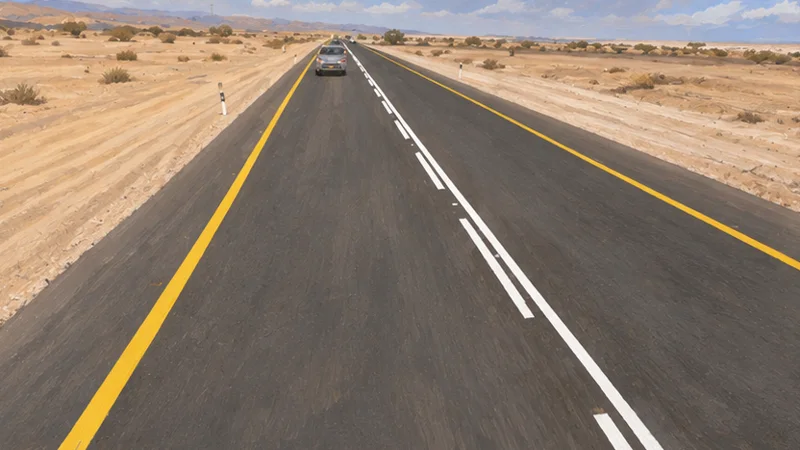
Yellow edge lines
Follow the solid yellow line that separates the travel lane from the shoulder. The white markings in the middle separate opposite directions of traffic. Check both the colour and the position in this Israeli example, since yellow edge lines also appear in other countries.
Malaysia

Double white centre line
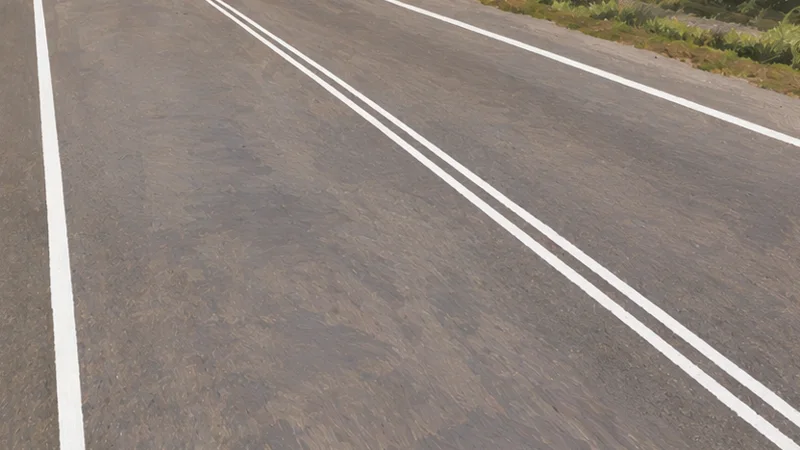
Count the two closely spaced white lines running down the centre of the road. The white stripe at the edge serves a different purpose. Poland has a similar centre pattern in the guide, so look for local signs or vegetation before making a guess.
Mexico
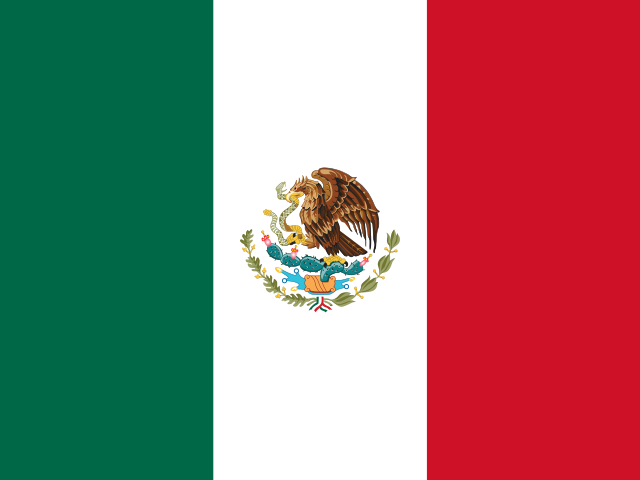
Single yellow centre line
Focus on the single yellow stripe in the centre of this rural road. Trace it towards the horizon and compare it with the outside edges. A yellow centre line also appears in the Canadian examples, so confirm a Mexican guess with independent clues.
New Zealand
White and yellow variants
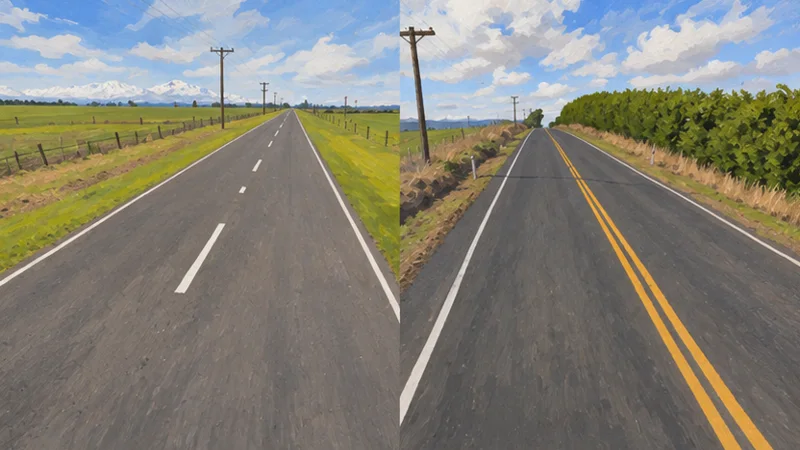
In the left panel, look for the white marking in the middle of the road. In the right panel, follow the yellow marking in the same position. These New Zealand examples help you compare paint colours while keeping the role of the centre line in mind.
Norway

Long edge dashes
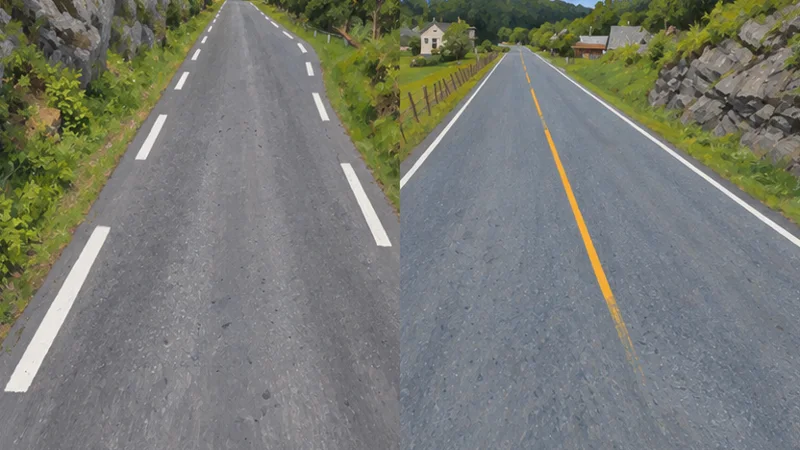
Follow the long white dashes along the edges, especially in the left panel. Compare their length with the gaps and with Sweden’s shorter edge dashes. The other Norwegian view also shows a yellow marking in the middle, so keep the two positions separate when studying.
Philippines

Centre markings compared
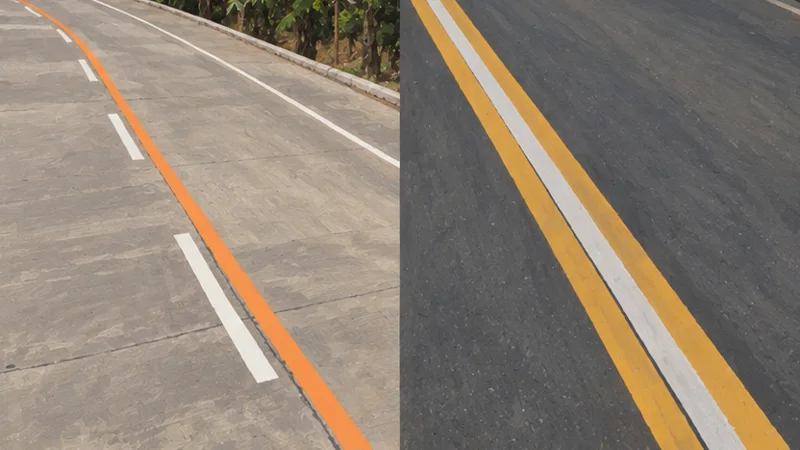
Compare the two close-ups. The left panel shows white segments beside a yellow-orange line, while the right panel brings the yellow-orange paint into the foreground. Check the relationship between the parallel markings and confirm the Philippines with another clue from the scene.
Poland

Double white centre line
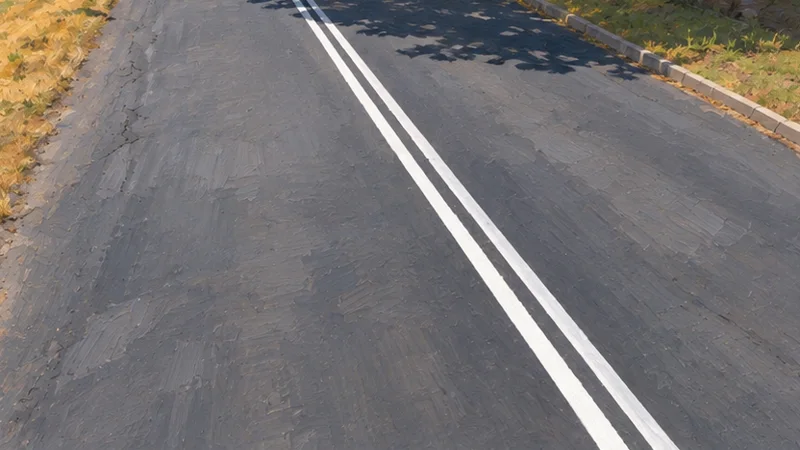
Look at the two white stripes next to each other on the grey asphalt. Trace them into the distance to see that both belong to the same centre marking. Malaysia has a similar example, so check the signs and surroundings before deciding on Poland.
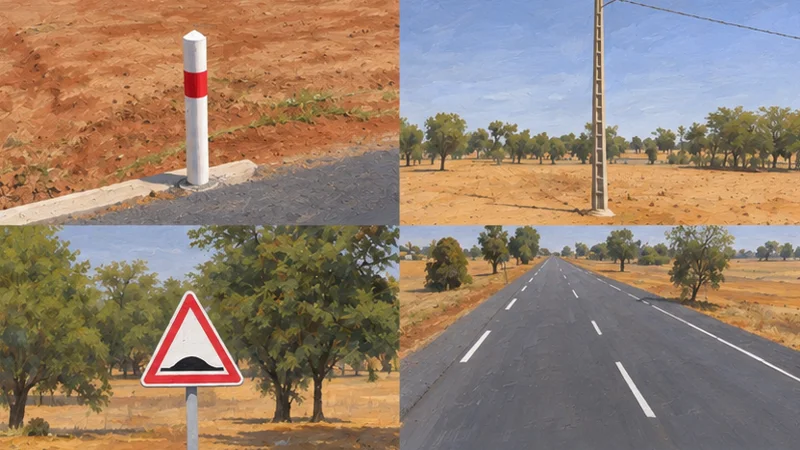
Senegal
White dashed edge lines
Use the road panel on the right to spot the short white segments near the outside edge. Then look at the roadside post and warning sign in the smaller panels. These details give you separate clues to compare when the paint alone is hard to read.
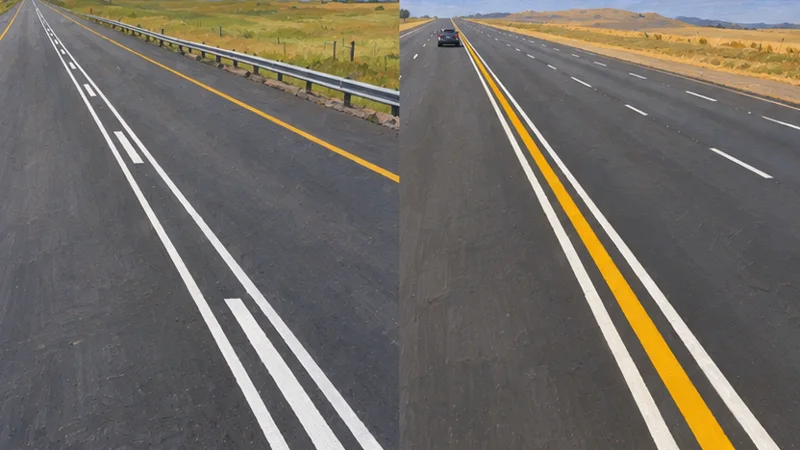
South Africa
Triple centre markings
Count the three lines in the centre of the road and compare the two panels. Notice where a broken marking runs alongside solid ones and where yellow appears next to white. The number and arrangement of the lines matter as much as their colours.
South Africa
Continuous yellow edges
Follow the continuous yellow lines at the outer edges of the road, then check the white markings in the middle. Israel also has an example with yellow edges, so compare the setting and other roadside clues before choosing South Africa.
Sweden
Short edge dashes
Look for the short white segments close to the edges of the asphalt. Compare them with the longer segments in the Norwegian example and the continuous lines in the Finnish one. Estonia has a similar short pattern, so look for further clues to confirm Sweden.
United States
Double yellow centre line
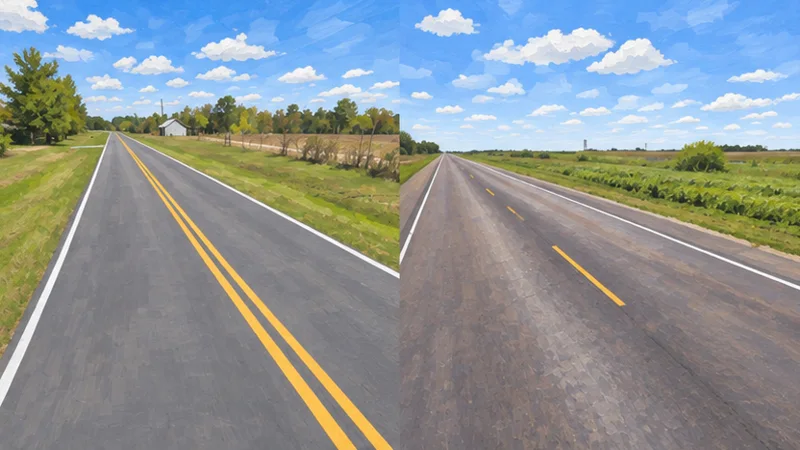
Start in the left panel and follow the two yellow lines that separate opposite directions of traffic. Check the white edge line as a reference. A double yellow centre can also appear in Canada, so use other clues before settling on the United States.
United States
Rumble strips
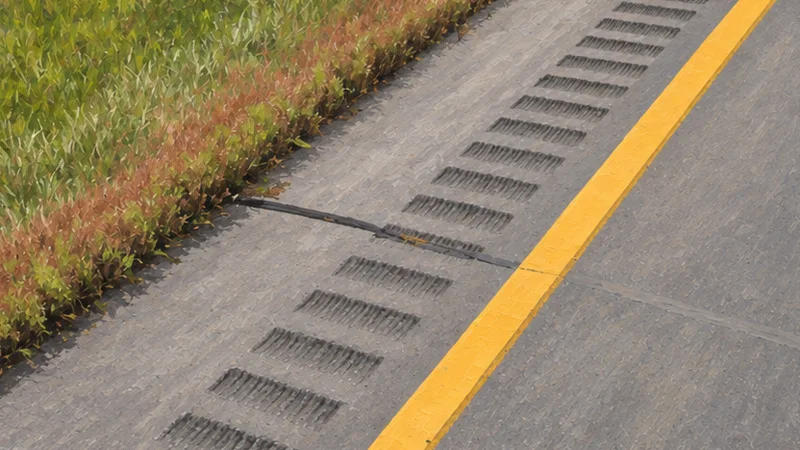
Look beside the yellow line for a row of short grooves cut across the asphalt. The grooves form a repeating texture and produce vibration and noise when driven over. Compare their shape with painted dashes and check the surroundings for another clue to the United States.
Uruguay

Double centre markings
Follow the paired yellow markings in the middle of the road and compare them with the continuous white lines at the edges. The Argentine collage also includes yellow centre markings, so use the shape of the road, signs and surroundings to test an Uruguay guess.