Vegetation around the world
Compare 165 visual clues for GeoGuessr. Look at leaves, trunks, flowers, crowns and the landscape around each plant.
Alaska
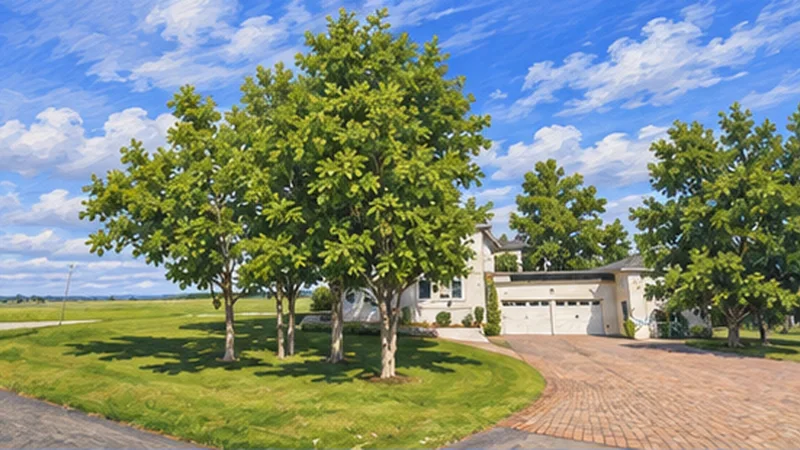
Aspen Trees
Look for whitish trunks and rounded leaves. In Alaska, these aspens are found mainly at lower elevations in the interior and south-central areas.
Source · PlonkIt
Argentina
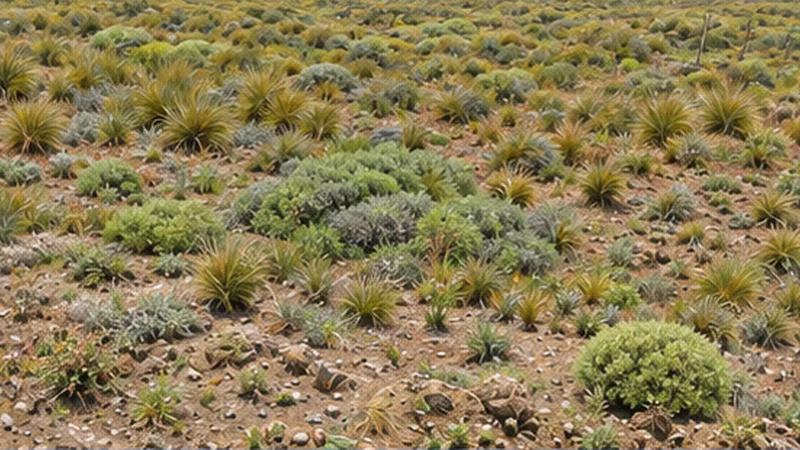
Azorella Prolifera · Light Green
Azorella Prolifera is a plant that looks like "cushions". It is found throughout Patagonia. It's appearence depends on season. You can see this plant in a distinctive light green color in these regions: Southern Neuquen Rio Negro on the roads Chasico-Laguna Blanca and Chasico-Ingeniero Jacobacci Chubut in the area between Paso del Sapo and Gobernador Costa Also Chubut on the National 40, south of Rio Mayo, as well as the provincial 55 branching east of the 40.
Source · The Comprehensive Argentina Guide by tmcdermid
Beech Forest
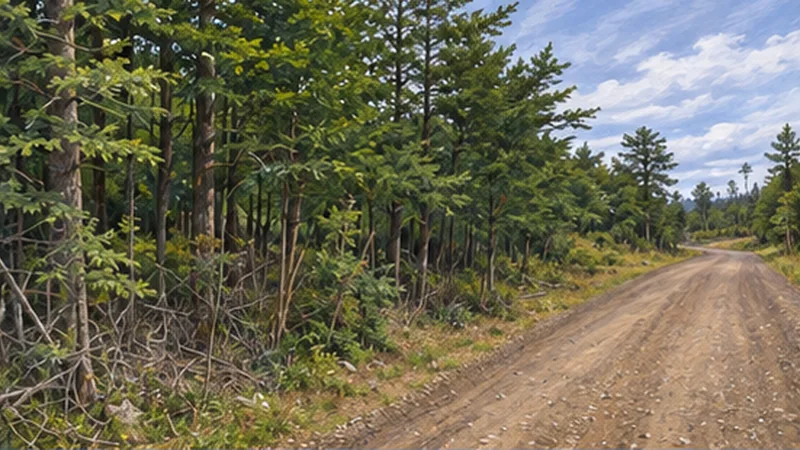
Compare the forest edge with its surroundings. Beech woodland can be a clue towards Tierra del Fuego, especially in cool, damp scenery.
Source · PlonkIt
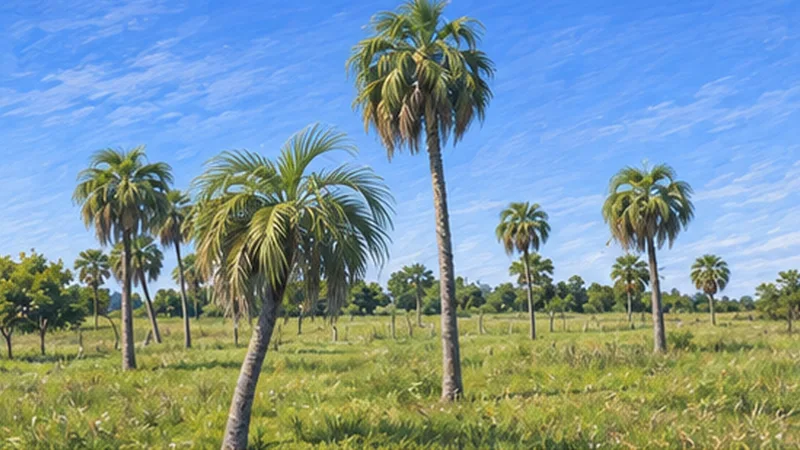
Butia Yatay Palm
The Butia yatay palm has arching, pinnate leaves and often grows at an incline with varying heights. It is most common in Corrientes and Parque Nacional El Palmar, Entre Rios.
Source · PlonkIt
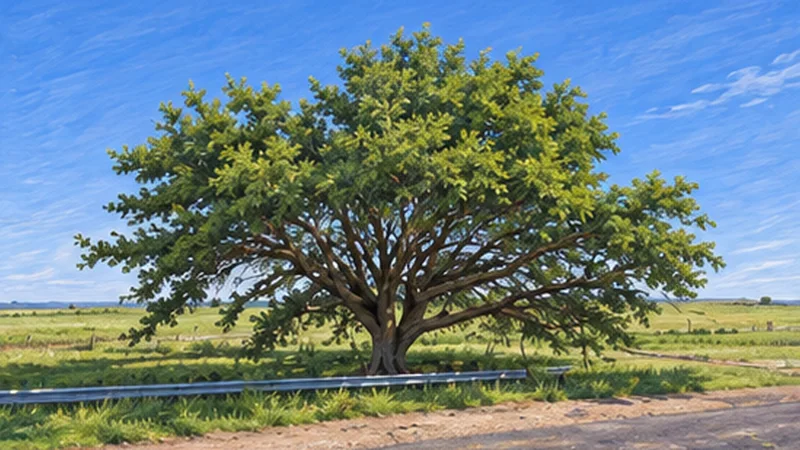
Caldén
Prosopis caldenia, known as the caldén, is a decently large deciduous tree with small leaves and sinuous branches. It is mainly found in La Pampa.
Source · PlonkIt
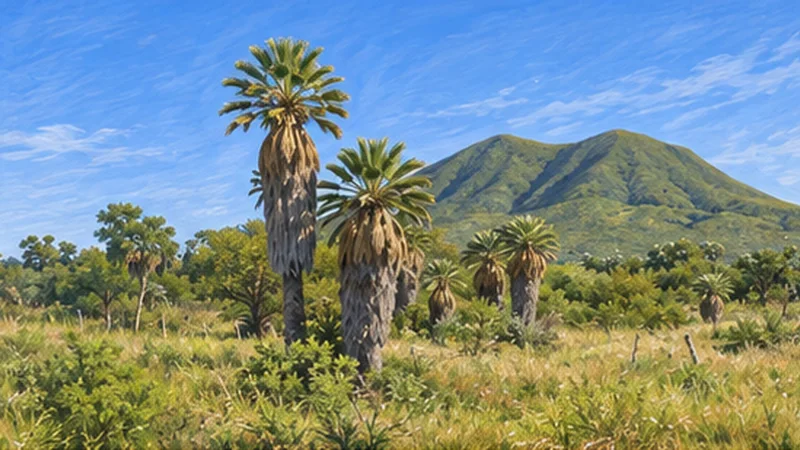
Caranday Palm
Trithrinax Campestris, or the caranday palm, not to be confused with the Caranday Wax Palm, is a rustic palm native to the Sierras de Córdoba with a broader distribution in San Luis and northern mountainous Argentina. It can be identified by its compact fan-like leaves with a trunk hidden by a coat of dead-leaves.
Source · PlonkIt
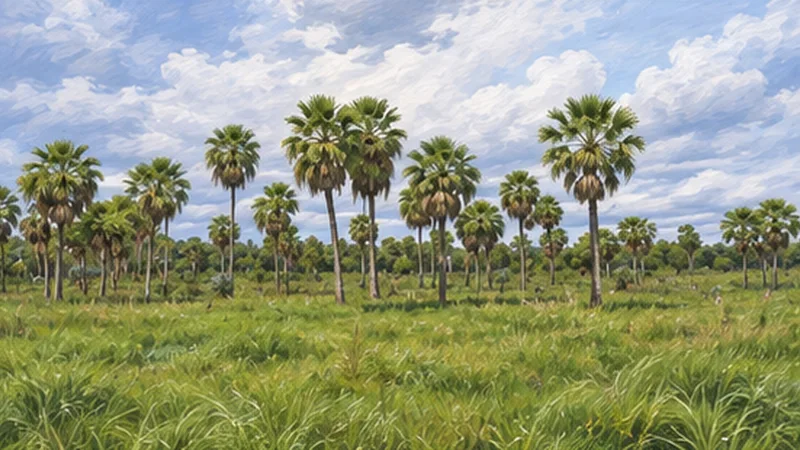
Caranday Wax Palm
Coperinicia alba, also known as the Caranday Wax Palm, have short, fan-like leaves that tend to grow in low-density, single-species forests. Most common in Formosa, they can also be found in Chaco, Corrientes and northern Santa Fe.
Source · PlonkIt
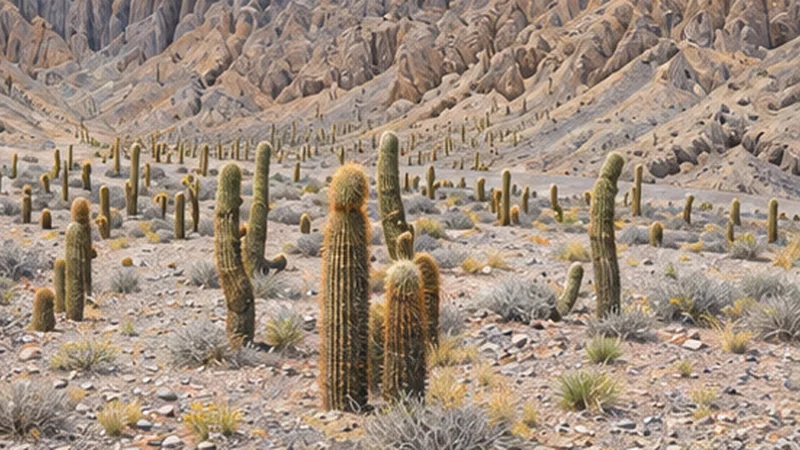
Cardón
Trichocereus atacamensis, or the cardón, is a cactus native to the high elevation mountain ranges of Catamarca, Tucumán, Salta and Jujuy. It can be identified by its candelabra-like appearance and fuzzy golden brown spines.
Source · PlonkIt
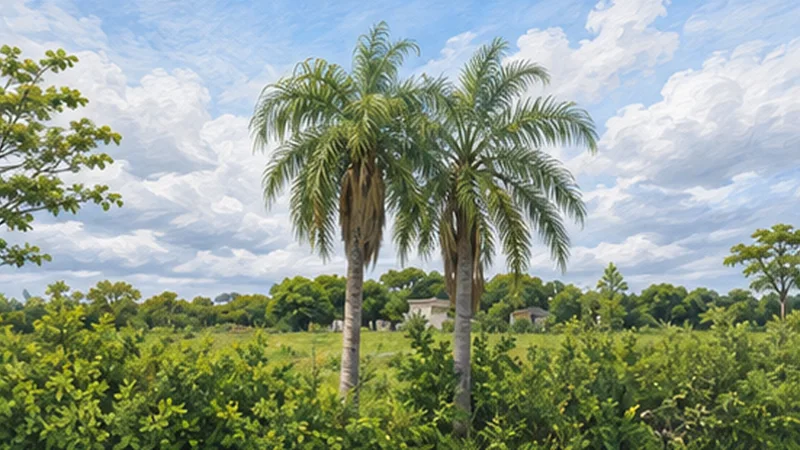
Macaw Palm
The Macaw Palm has small thin leaves with a visible spear shaped top. It can be found as a decorational plant all across Argentina, however in the wild it is most common in Formosa, Chaco and Misiones.
Source · PlonkIt
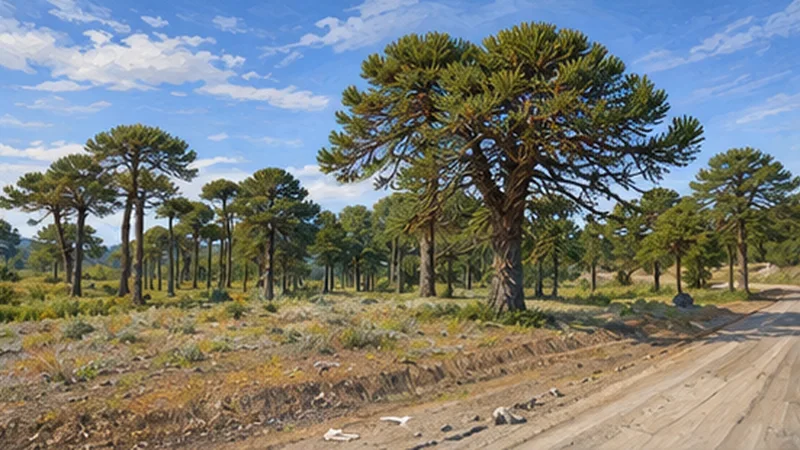
Monkey Puzzle Tree
The monkey puzzle tree can be found in western Neuquen. The most specimens are seen on provincial road 23 + offroads, between Caviahue and Atreuco.
Source · PlonkIt & The Comprehensive Argentina Guide by tmcdermid
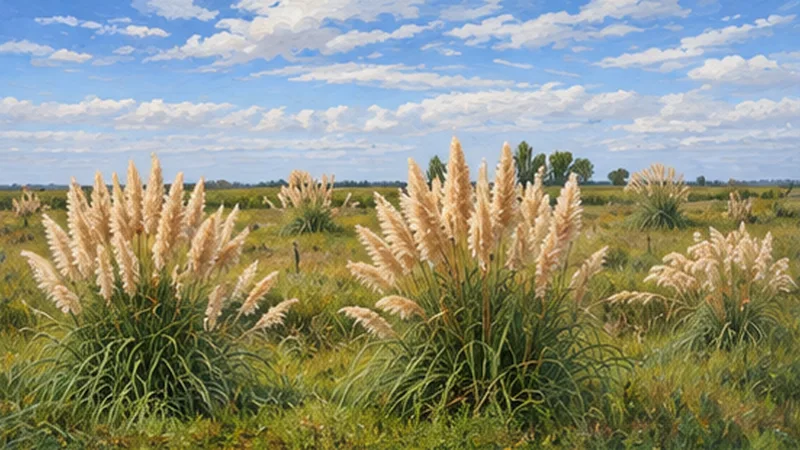
Pampas Grass
Pampas grass (Cortaderia selloana) is one of the most defining flora of the Pampas region. It is recognizable by its long bunched reeds and white fluffy flowerheads.
Source · PlonkIt
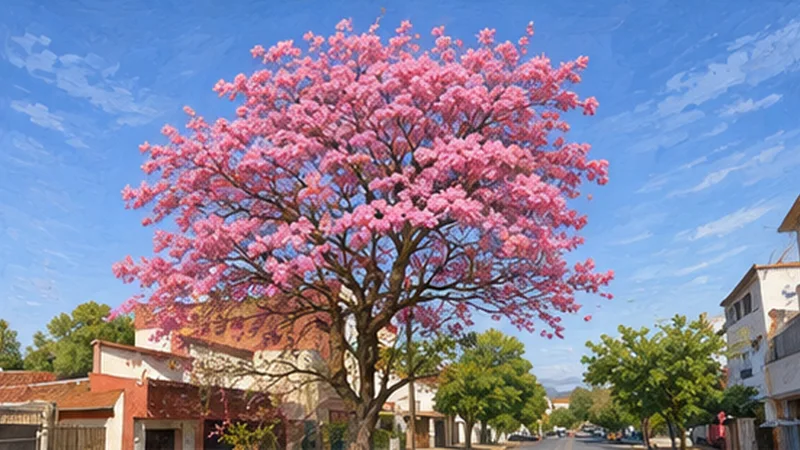
Pink Trumpet Tree
The Pink Trumpet Tree (Handroanthus impetiginosus) can be found in cities in northern Salta such as Orán, Tartagal and General Mosconi.
Source · PlonkIt
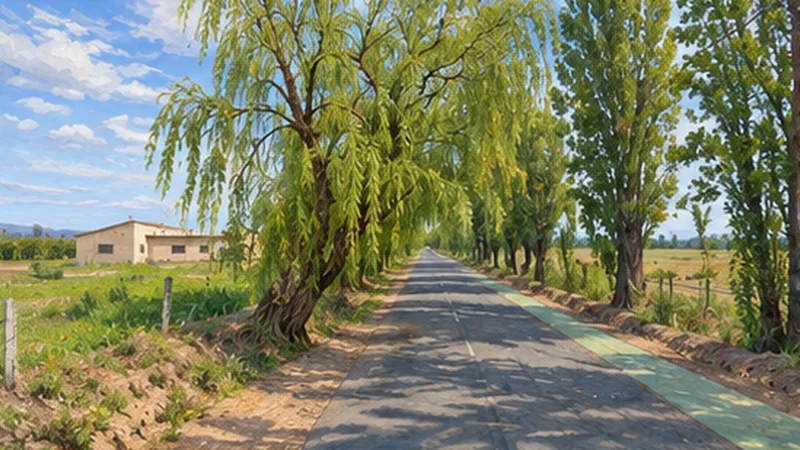
Poplar Plantation · Mediterranean
Poplar Trees are thin and tall decidiuous trees. They can be found all over Argentina. If you see them planted in single rows accompanied by hilly to mountainous, mediterranean landscape, as well as mediterranean agriculture (e.g. vineyards and olives) and vegetation (e.g. palm trees, platanus trees), you are likely in a town or city in the provinces of Mendoza and San Juan.
Source · The Comprehensive Argentina Guide by tmcdermid
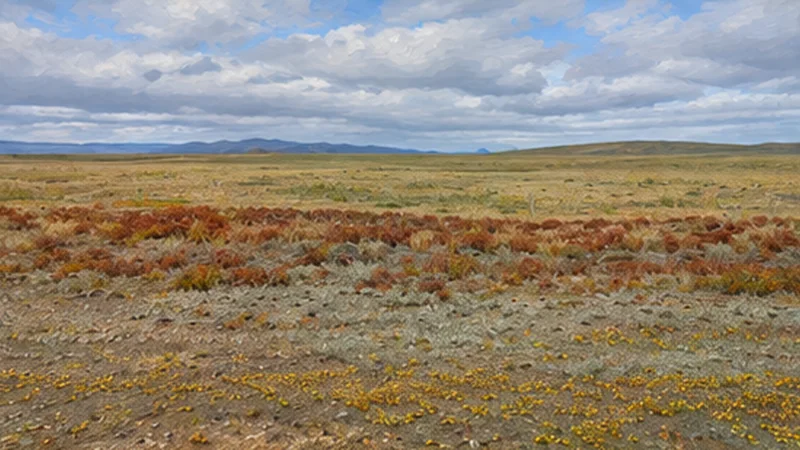
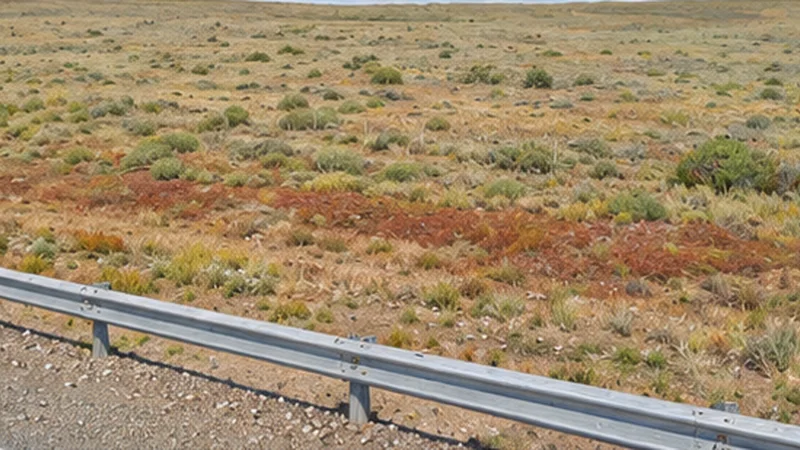
Red Baron · Dense
Red Baron is a grass species that has a very distinctive red hue. In very dense assemblages, it can appear here: Max South Santa Cruz, latitudes south of Rio Gallegos The national 40 north of Las Horquetas (Santa Cruz) The national 40 between Esquel and Estanzia Nueva Lubecka
Source · The Comprehensive Argentina Guide by tmcdermid
Red Baron
Red Baron is a grass species that has a very distinctive red hue. It's found in Western and Southern Santa Cruz Northwestern Chubut Southern Neuquen
Source · The Comprehensive Argentina Guide by tmcdermid
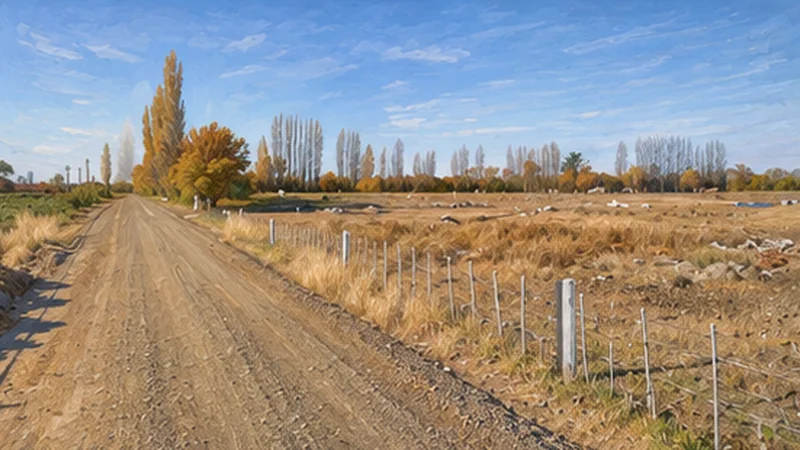
Single Row Poplar · Flat
Poplar Trees are thin and tall decidiuous trees. They can be found all over Argentina. If you see them planted in a single row and accompanied by a very flat landscape, you are in one of these places: National 22 between Neuquen and Choele Choel (Rio Negro) Trelew (Chubut) Sarmiento (Chubut)
Source · The Comprehensive Argentina Guide by tmcdermid
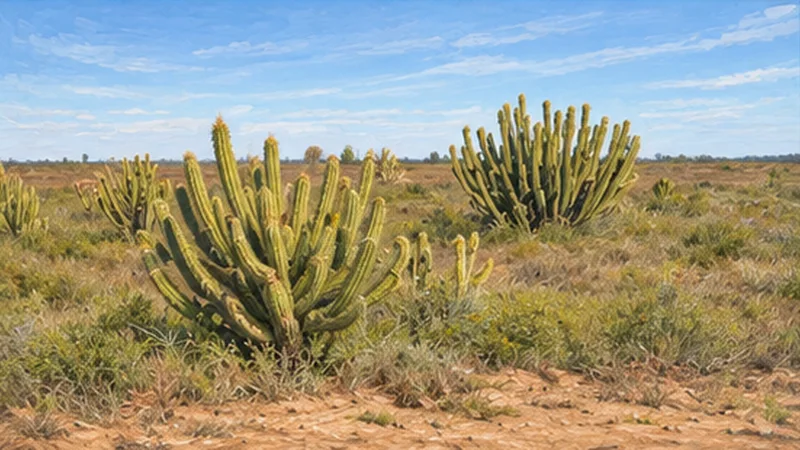
Toothpick Cactus
Stetsonia coryne, or the toothpick cactus, is a large tree-like cactus with many branches and spines resembling toothpicks. Its habitat includes a hotspot between Catamarca and Cordoba as well as the border area between Chaco, Salta and Formosa.
Source · PlonkIt
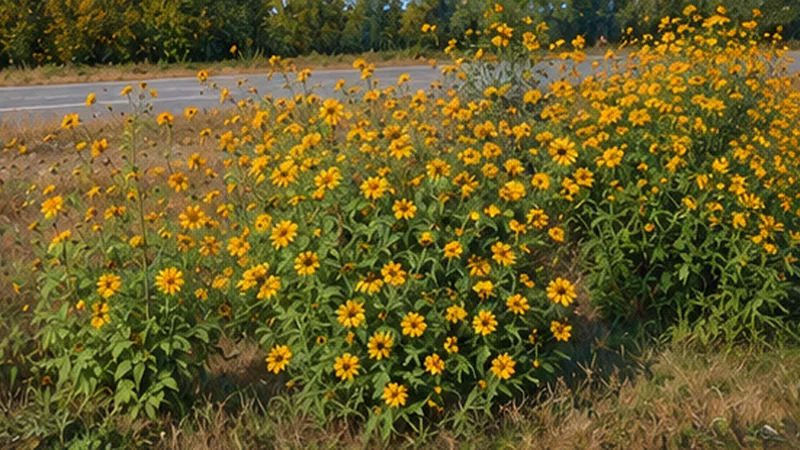
Wild Sunflower
Wild sunflowers (Verbesina encelioides) are often found in Salta, Jujuy and Tucumán.
Source · PlonkIt
Australia
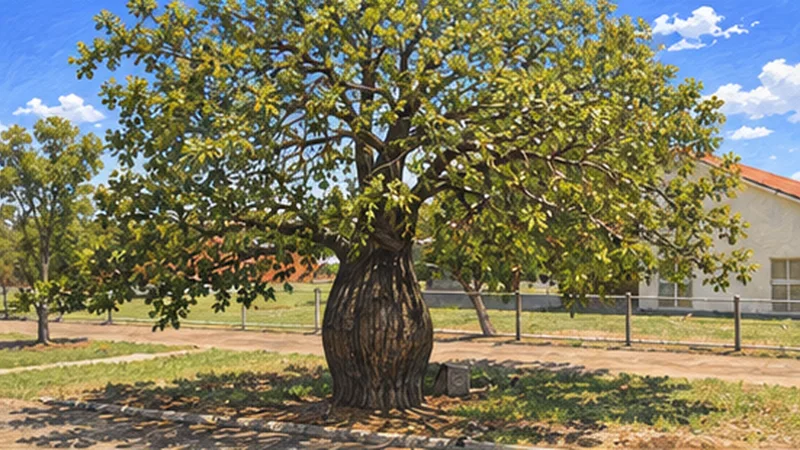
Bottle Tree
Look for the swollen lower trunk. In Queensland, compare this clue with urban scenes in Roma, where bottle trees are widely planted.
Source · A Learnable Meta Australia by trausi
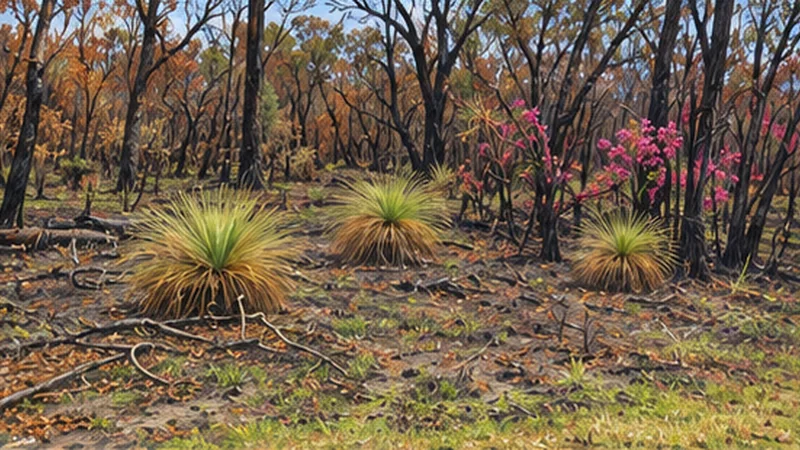
Brush Plant
These brush plants are commonly seen in Western Australia.
Source · PlonkIt
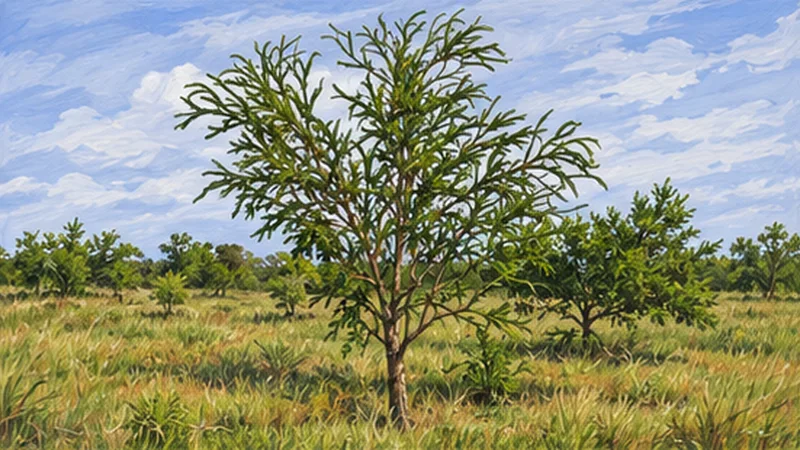
Gregory Tree
Excoecaria parvifolia is an odd looking tree with almost creepy looking thin vine outgrowths as leaves. It seems to be found primarily found around the new 2025 white car coverage around the northern Queensland city of Gregory, Australia.
Source · Geoguessr: A Guide to Plants by gawynn1
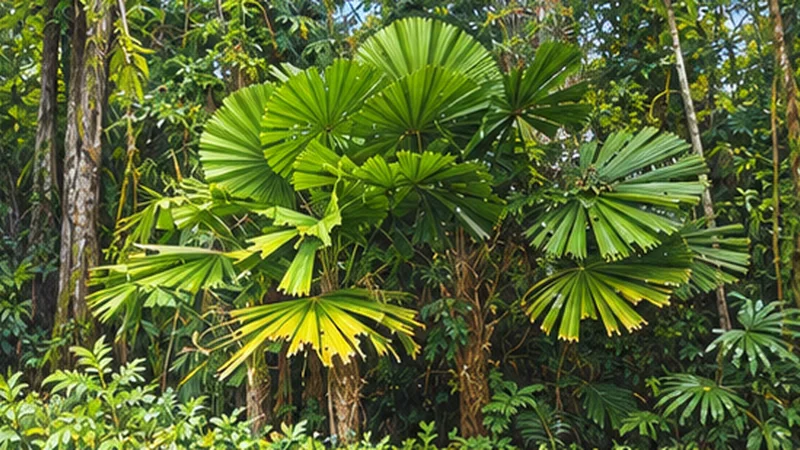
Queensland Fan Palm
The Queensland fan palm or Australian fan palm, is a species endemic to northeastern Queensland, Australia (Specially around Cairns).
Source · A Learnable Plant World by Zen
Sand Palm
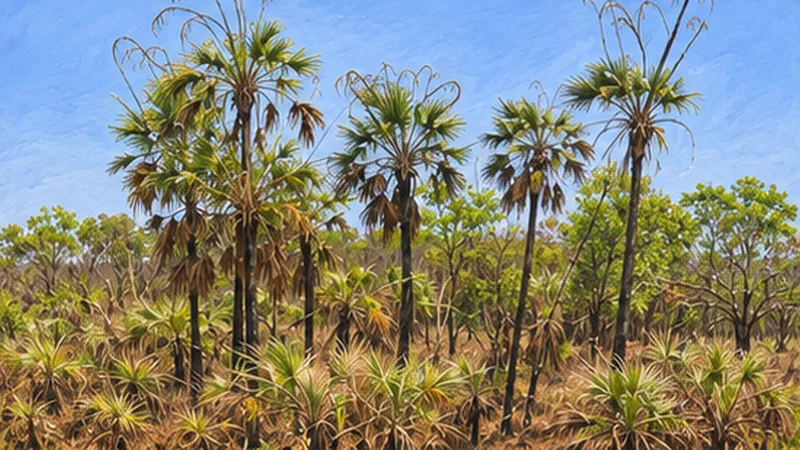
The sand palm is endemic to the north of the Northern Territory of Australia, from the Fitzmaurice River to Cape Arnhem and inland as far as Katherine.
Source · A Learnable Plant World by Zen
Brazil
Açaí Palm
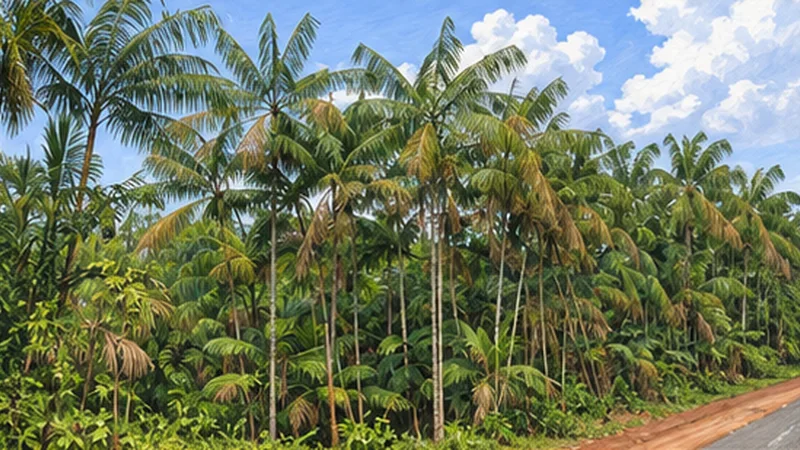
Açai palms produce fruits that are popular globally. Most of these palms are found near Belem, but can be seen across the Amazon. They are distinct in the way the leaflets droop downward along with their unusually thin trunks.
Acrocomia Totai (Paraguay Palm)
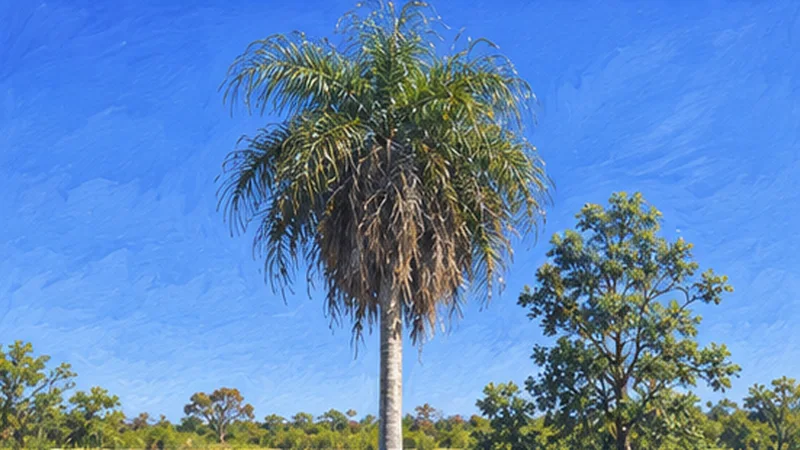
This palm is commonly mistaken to be a Macaw Palm (Acrocomia Aculeata). The key difference is that the trunk of the "Paraguay Palm" is often smoother and less irregular. The crown can also give some hints although it's difficult to catch the differences Macaw Palm: More open and irregular, with leaves spreading in different directions. "Paraguay Palm": Denser and more compact, sometimes looking neater and rounder. The distribution is also a bit different, as this palm usually is closer to Paraguay than the Macaw Palm which stretches further.
Source · A Learnable Plant World - Palms by Zen
Babassu Palm
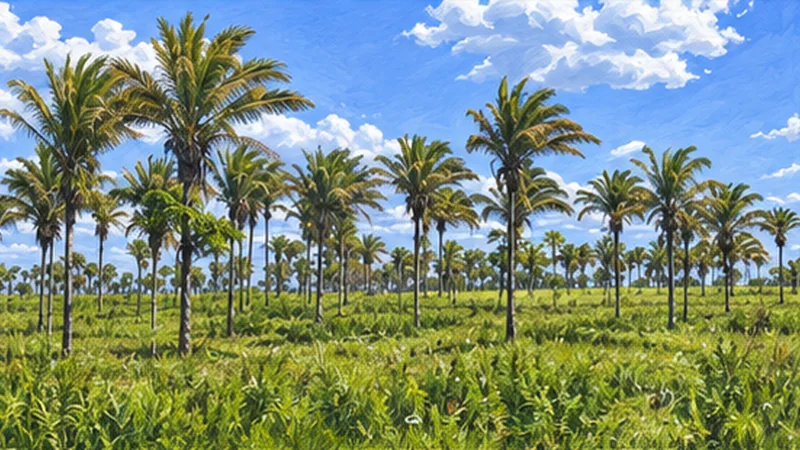
Babassu palms have long, robust leaves comprised of many leaflets. Trunk length can vary from short to tall. They are found throughout the Amazon, or more rarely, down the east coast.
Source · PlonkIt
Carnauba Palm
Carnaúba palms have short but strong, fan-like leaves and a trunk that is smooth at the top and spiked at the bottom. They are common in Ceará but are also in Piauí and Rio Grande do Norte.
Source · PlonkIt
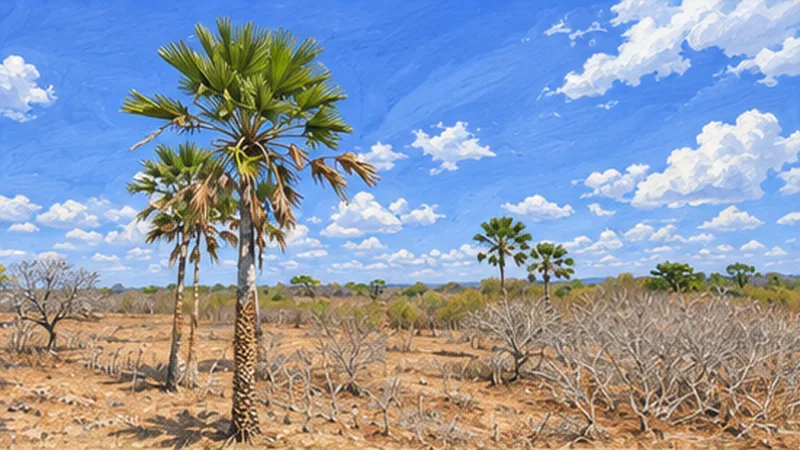
Coconut Palm
Coconut palm trees have long leaves, can grow very tall, and have thin trunks. They are common across the north eastern states and sometimes further west or south along the coast.
Source · PlonkIt
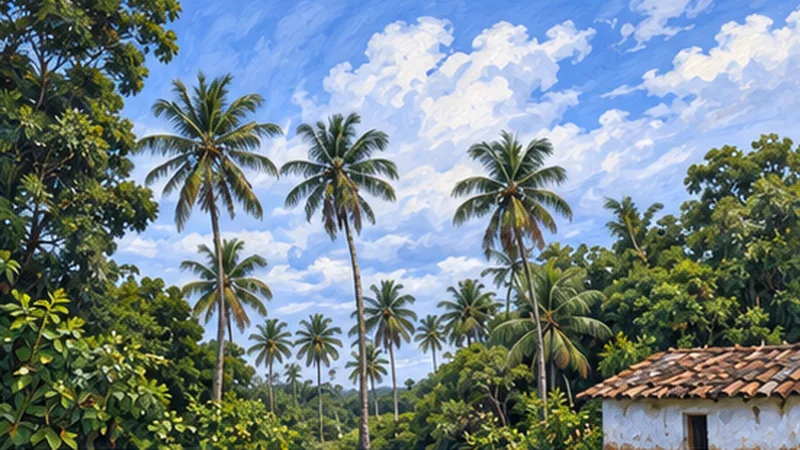
Jucara Palm
Closely related to the Açaí palm, they are really hard to distinguish apart from each other. However, the Açaí palm grows mostly in the northern flat regions of Brazil, while the Juçara grows in the mountainous south-east regions of Brazil anywhere from Espirito Santo down to Rio Grande do Sul. Here some tips for differences: The leaves of Jucara Palms are thinner Jucara Palms have more space, they don't like growing close to each other.
Source · A Learnable Plant World - Palms by Zen
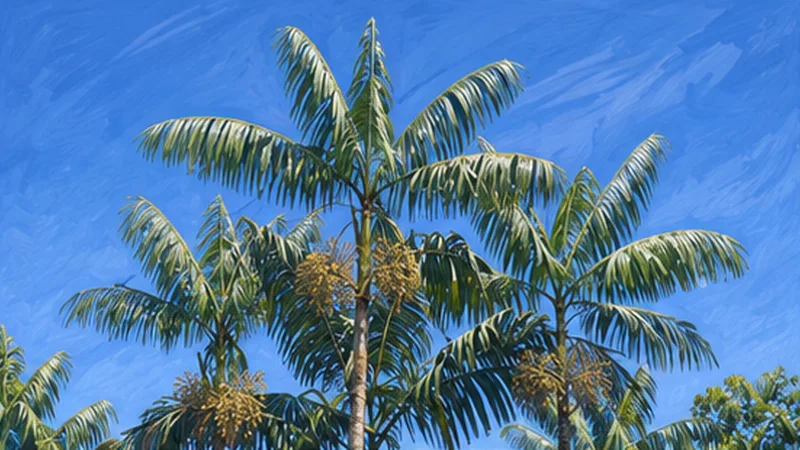
Macaw Palm
Macaw palms, often called Paraguay palms, have thin leaves compared to other palms, and often have a visible spear shaped top. They are very common around Mato Grosso do Sul and the surrounding states, but can be seen much further out sometimes. These palms should be used with caution, and single trees are much less of an indicator than multiple trees.
Source · PlonkIt
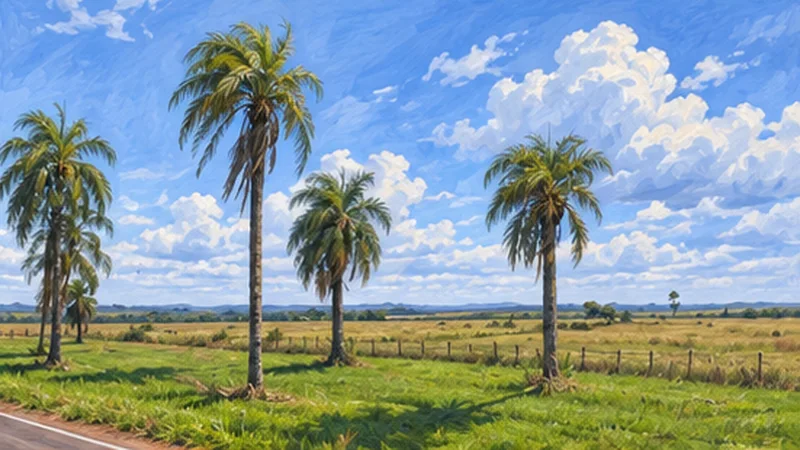
Moriche Palm
Moriche palms have leaves with a rounded fan shape. They are most common in Amazonas, Acre, and Roraima, but can be found in all of the Amazonian states.
Source · PlonkIt
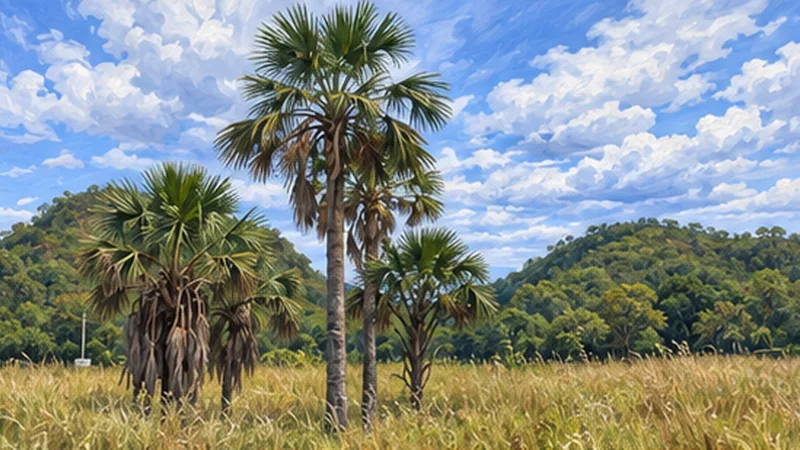
Mysterious Northeastern Plant
This species of plant, with long stems and many leaves growing up, are very common in Ceará, Rio Grande do Norte, and Paraíba. In the dry season, you can still make out the distinct long stems without leaves.
Source · PlonkIt
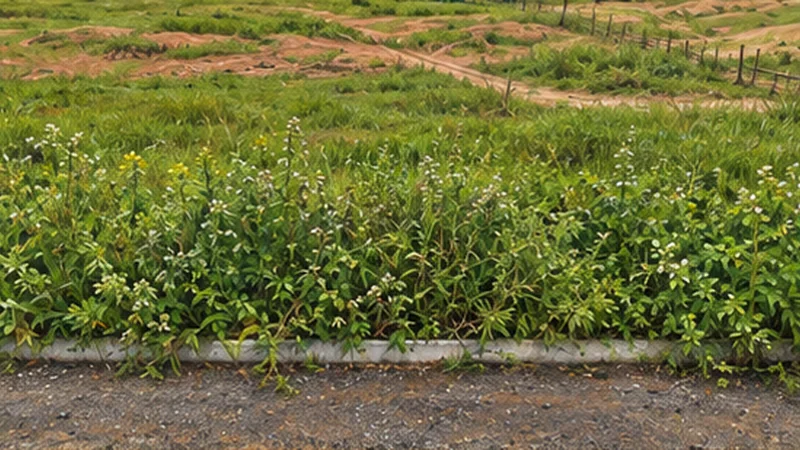
Parana Pine
These distinct trees, called Paraná pines, have long horizontal branches with leaves only at the end. They grow mainly in the southern Brazilian states of Paraná, Santa Catarina, and Rio Grande do Sul.
Source · PlonkIt
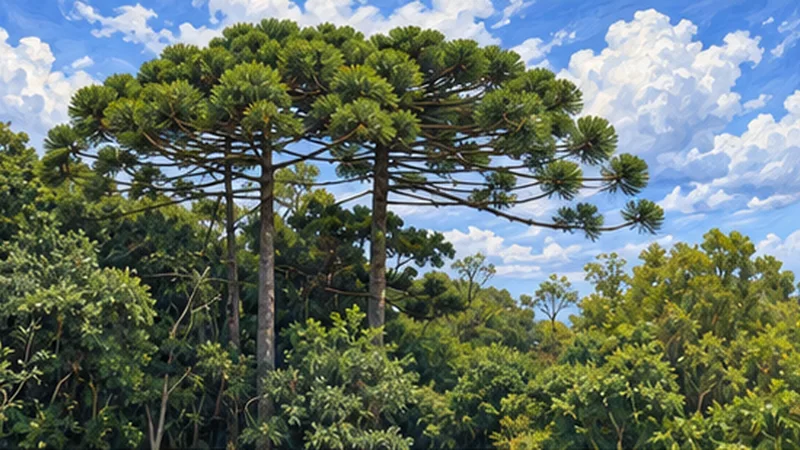
Pine Trees
Pine Trees are common in Southern Brazil, but are rarely ever found north of Belo Horizonte.
Source · self-researched
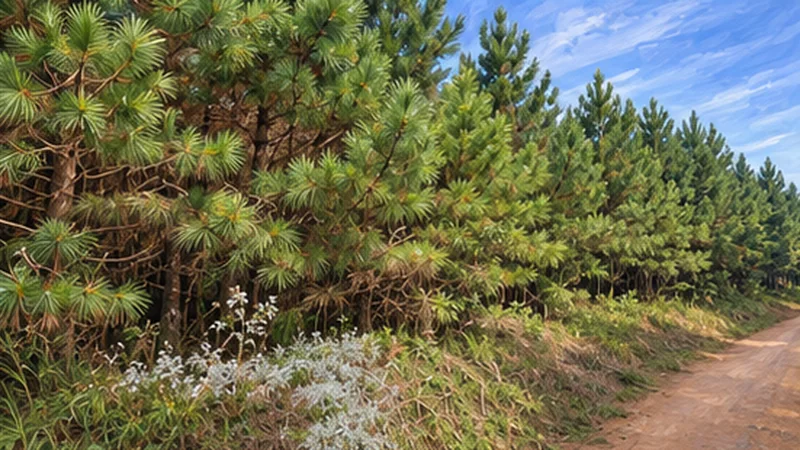
Queen Palm
Look for a palm with arching, feather-like fronds. Compare its outline with the other Brazilian palms before using the geographic range.
Source · self-researched
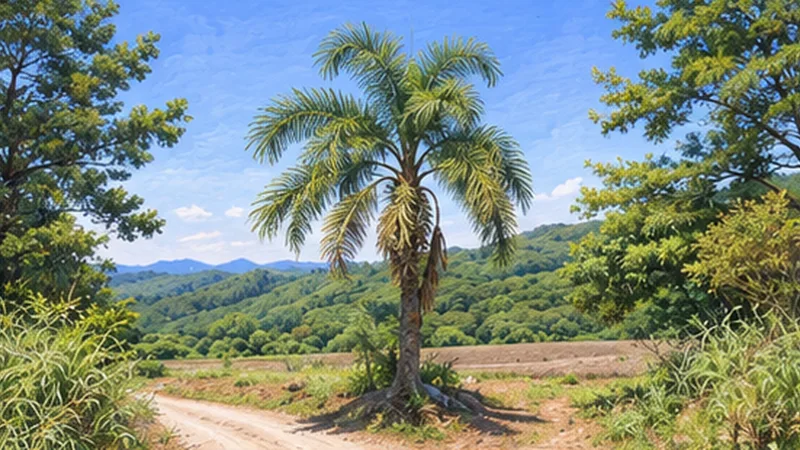
Tocantins Grass
Very tall grass can be often seen in the centre of the country, most notably in the Tocantins, Goiás, Bahia, and Minas Gerais states.
Source · PlonkIt
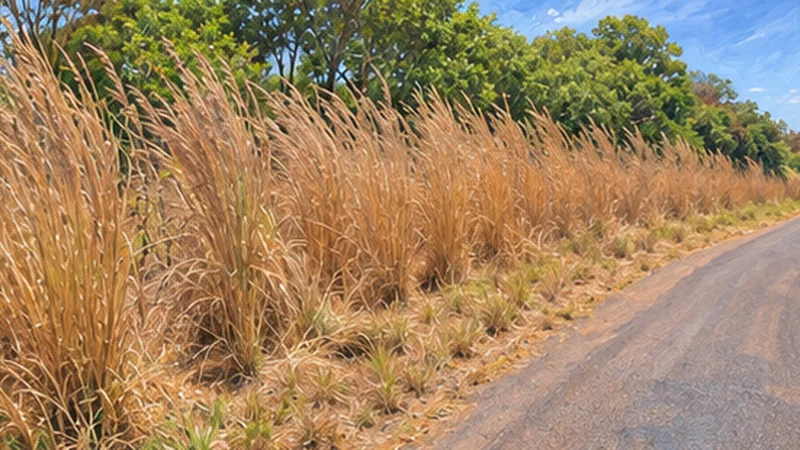
Chile
Cactus Acido
Eulychnia acida, commonly known as cactus ácido or copao, is a cactus species endemic to Chile, where it is primarily distributed in the semi-arid regions of the country. Its range includes: Atacama Region, Coquimbo Region,and Valparaíso Region.
Source · A Learnable Plant World - Cacti
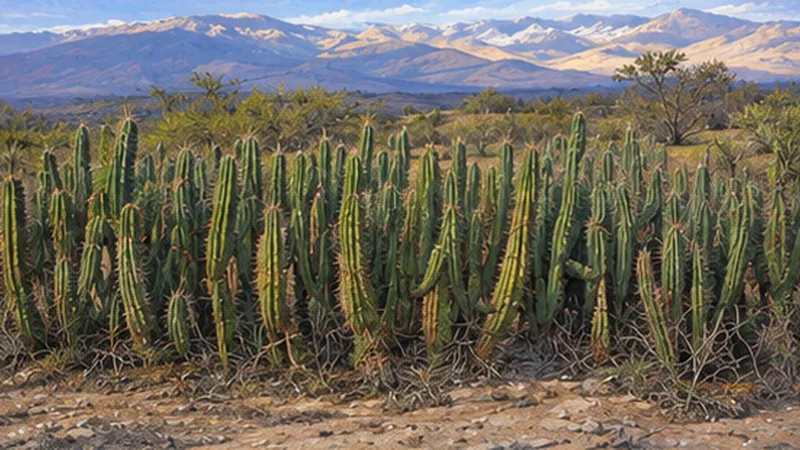
Chilean Rhubarb
Chilean rhubarb can commonly be found on Isla Grande, and on the mainland east of it. Chilean rhubarb can be recognized by its large, cabbage-like appearance.
Source · PlonkIt
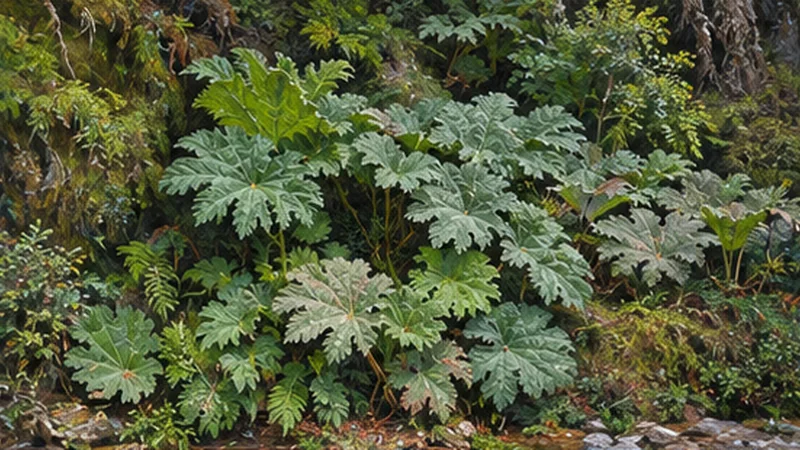
Chilean Wine Palm
It is endemic to a small area of central Chile between southern Coquimbo, Valparaíso, Santiago, O'Higgins, and northern Maule regions. They are highly concentrated around Viña del Mar.
Source · A Learnable Plant World - Palms by Zen
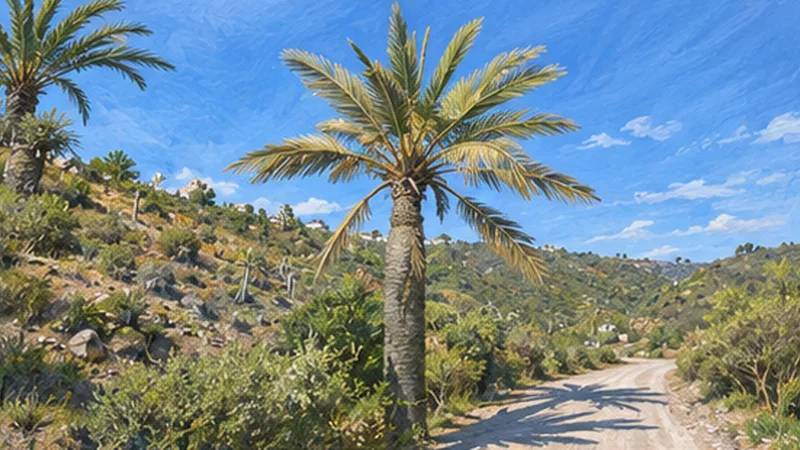
Concepcion Pines
Concepcion pines, scientifically named Pinus radiata, can be recognized by their puffy needles. They are most commonly found in Bio Bio, where the city of Concepcion is located, and less commonly in Ñuble and Araucania.
Source · PlonkIt
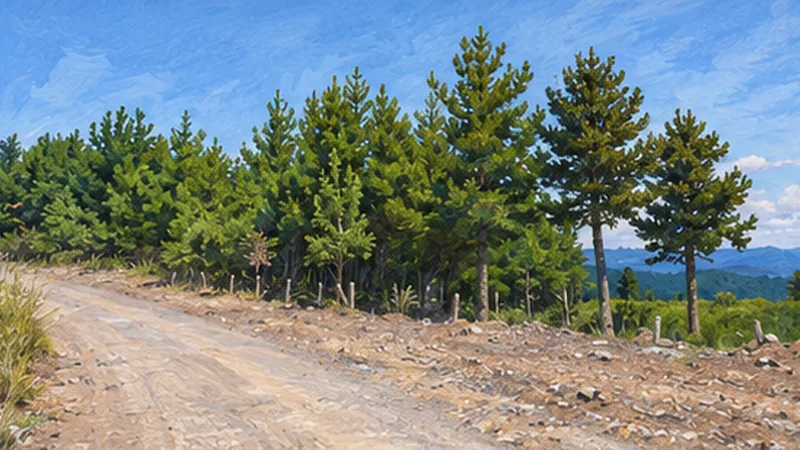
Monkey Puzzle Tree
Monkey puzzles, scientifically named Araucaria araucana, are found in far eastern Araucania. NOTE: Monkey puzzles can also be found on the other side of the Argentinian border.
Source · PlonkIt
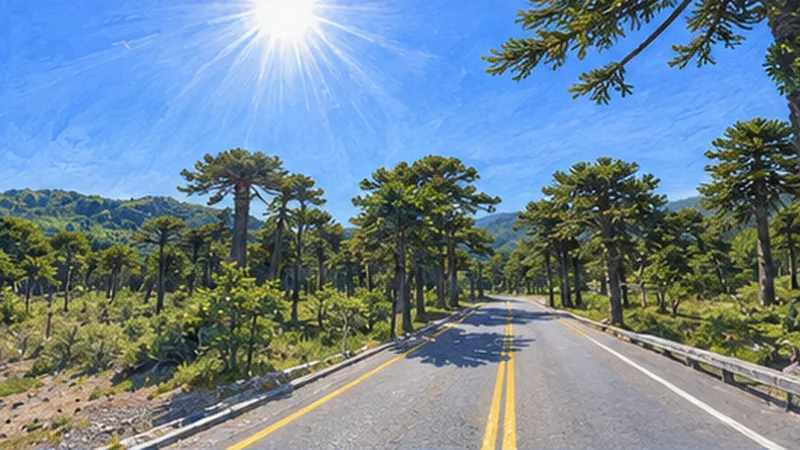
Purple Flowers
These purple flowers, named Large-leaved Lupines, can commonly be found along Ruta 240.
Source · PlonkIt
Colombia
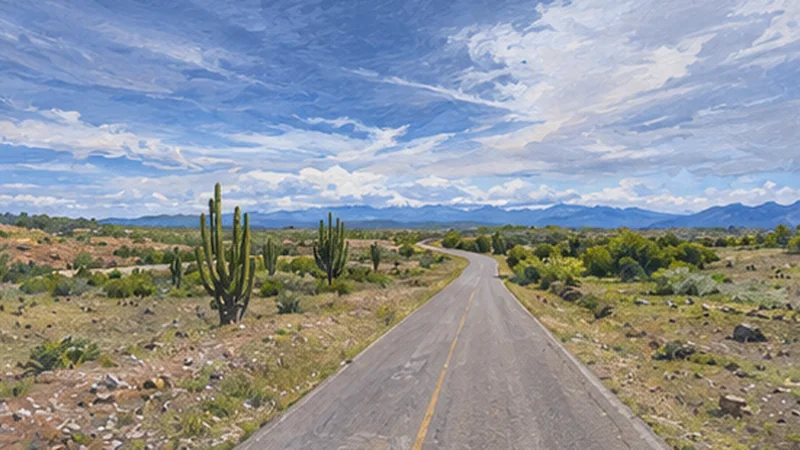
Cacti
Cacti are most commonly found in the North near Valledupar. Sometimes they can appear in Huila, too.
Source · A Learnable Colombia by Timo
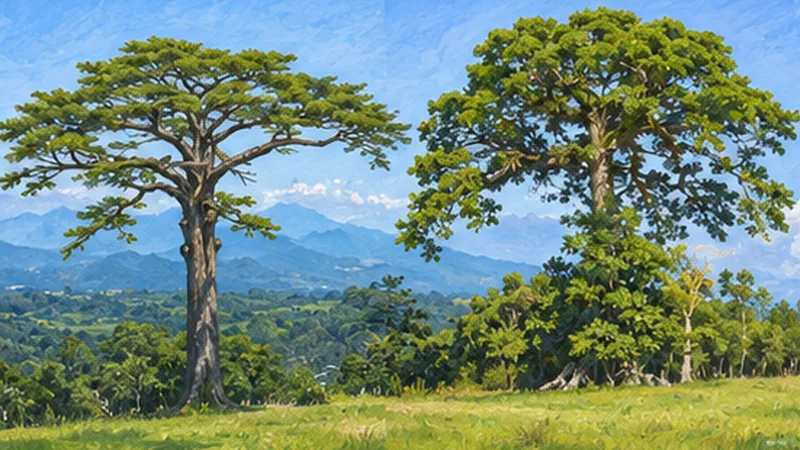
Colombian Mahogany
This tree is found mainly around Medellin, but it has been spotted in other random spots.
Source · A Learnable Colombia by Timo
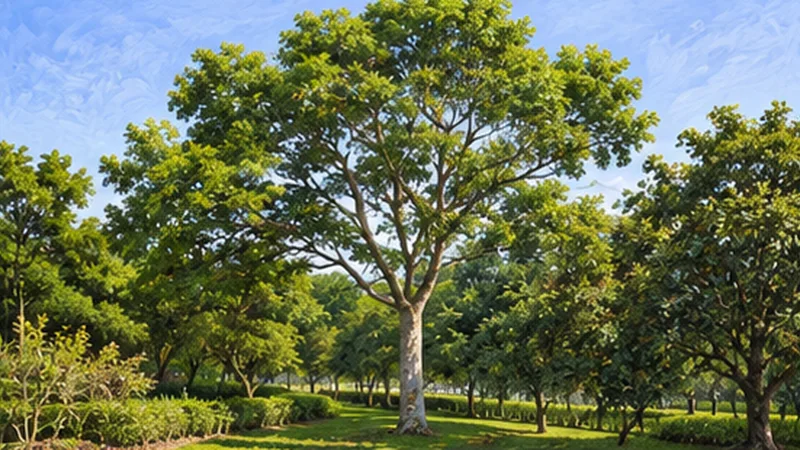
Kapok Tree
The Kapok tree can be found throughout Colombia, but is most common between the central and eastern mountain range.
Source · A Learnable Colombia by Timo
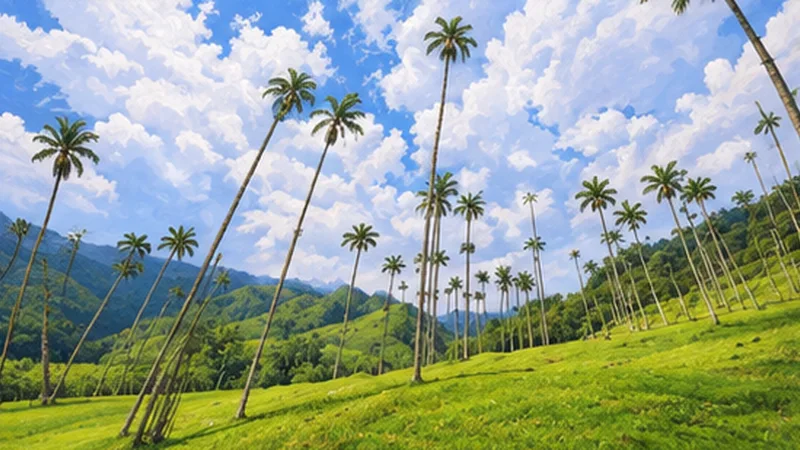
Quindio Wax Palm
Look for very tall, slender trunks rising from the hillside. Wax palms are a clue in the mountain landscapes of Quindío.
Source · A Learnable Colombia by Timo
Veracruz Trees
In Colombia you will most commonly find these trees that appear to have a knot on top of their trunk in the dark red areas. The province of Cordoba has the most gen 4 out of the others so if you see these in gen 4 consider Cordoba. (If the area is flat/semi hilly, You can find these trees in the mountains aswell everywhere)
Source · Colombia Guide for Geoguessr by vamponcrack
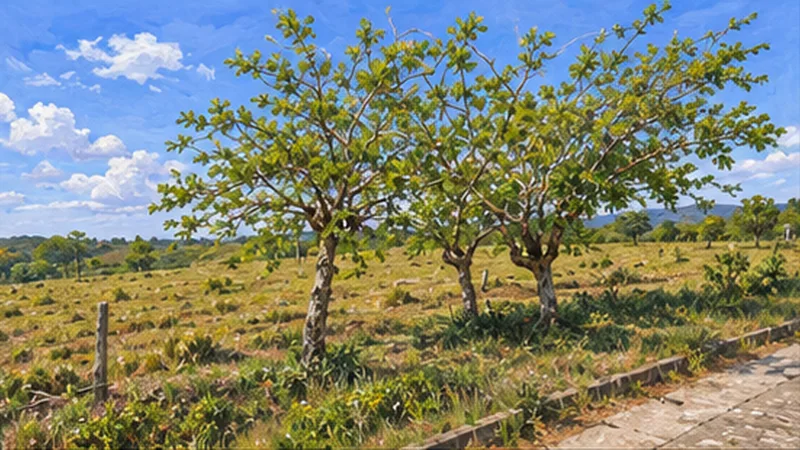
Wide Trees
These wide trees, usually near fences, are found in Northern regions, especially near Monteria and Sincelejo.
Source · A Learnable Colombia by Timo
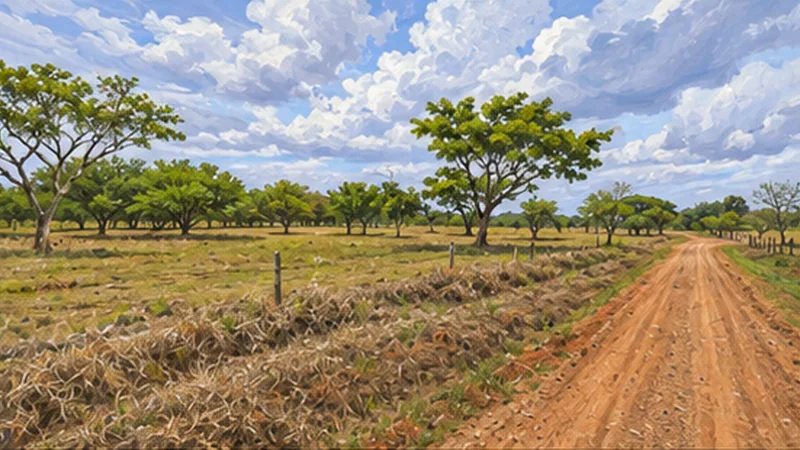
France
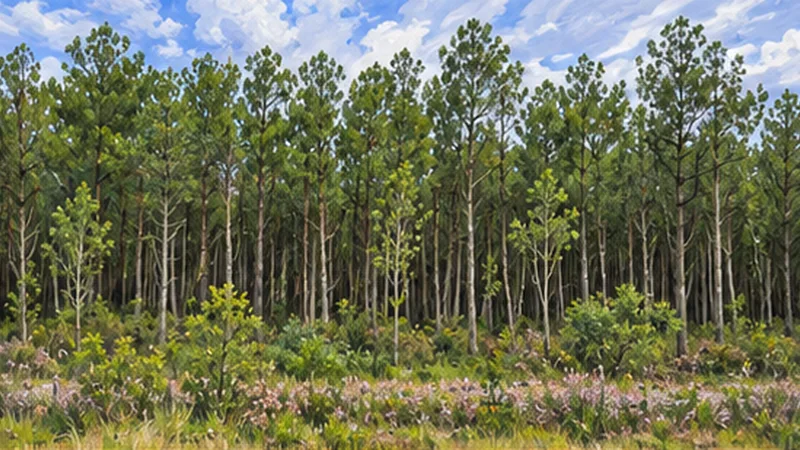
Maritime Pine Forest
Forests made up entirely of Maritime pines (pinus pinaster) are found in the southwest of the country (Gironde and Landes departments). The whole area will be fairly flat, which is not typical of other areas with such pines.
Source · PlonkIt
Meditteranean Vegetation
The vegetation near the South-East coast looks very Mediterranean.
Source · France Tips for Geoguessr by Guigz
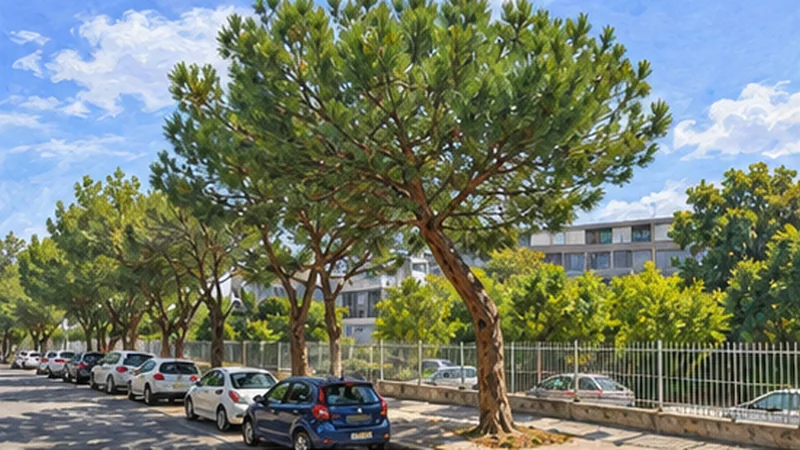
Stone Pine
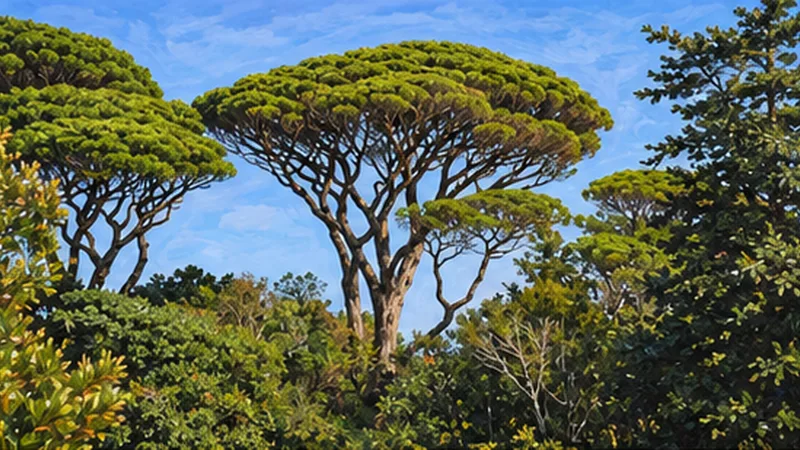
Stone pines are commonly found along the southern coast, often planted alongside urban roads. You may however find them as north as Nantes.
Source · PlonkIt
Germany
Baltic Pines
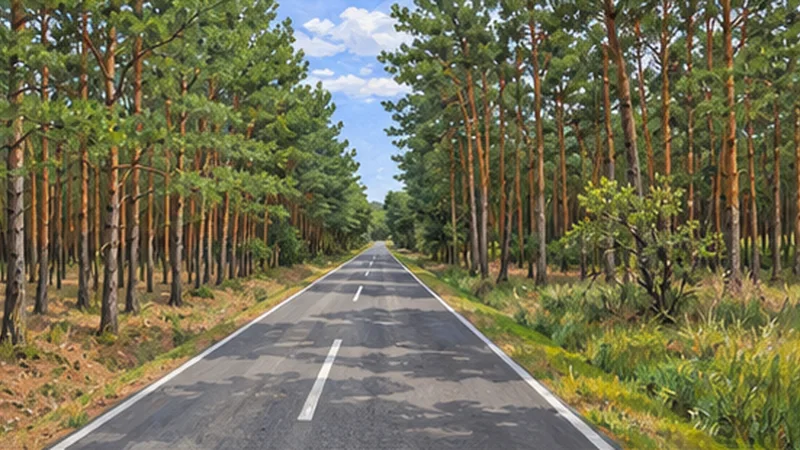
Baltic Pines or Pinus sylvestris are generally more concentrated in the northeast of Germany. They can be recognized by their orange-tinged trunk.
Source · PlonkIt
India
Agave
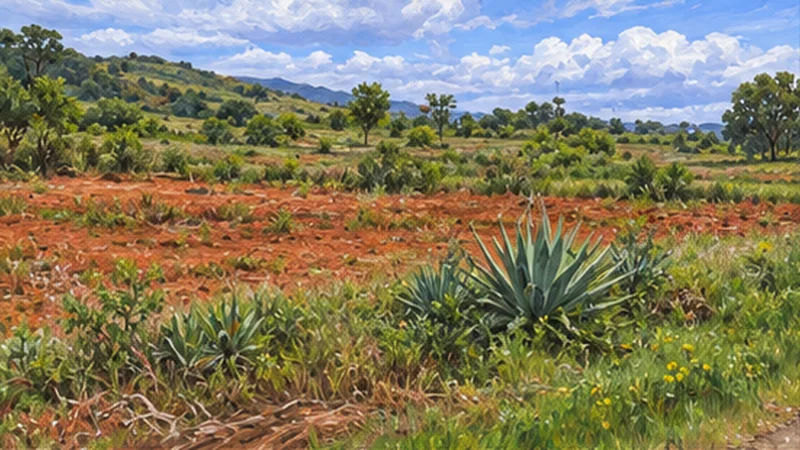
Agaves are mostly found in Karnataka
Source · India region guessing doc by bzhbzhbzh
Areca Palm
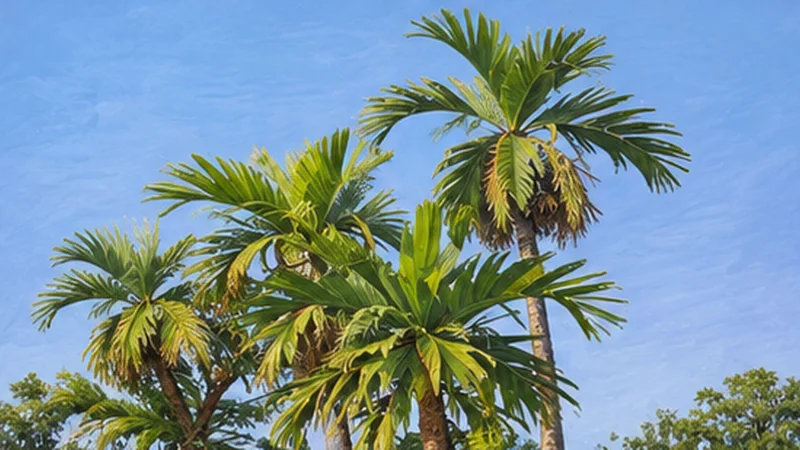
Areca Palms can be recognised by their very thin trunk and a small crown. They are most common in Assam, but also in other northeastern areas, stretiching to coastal Odisha. A second common region is Kerala and coastal Karnataka
Source · PlonkIt & India Palms by Duskron
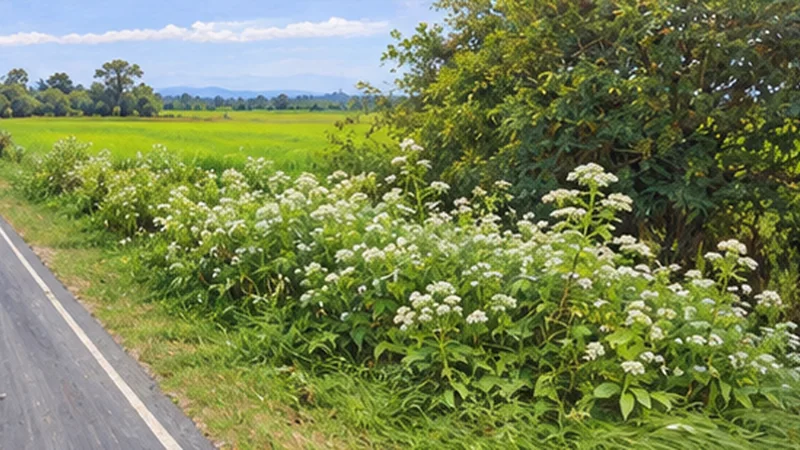
Assam · White Flowers
In Assam, these white flowers can often be seen along the road in three areas: - The border to West Bengal - The border to Eastern Bhutan - West of Nagaon.
Source · BZH on GeoGuessr India
Bhutan Cypress
Recognition (most visible when you look at the bottom of the crown): symmetrical pattern of needles on twigs thin twigs twigs draping down Found in: mostly Western Sikkim and Sangti, Manda La, Salari (Arunachal Pradesh) often in Khellong, Rupa (Arunachal Pradesh) sometimes Rest of Sikkim, and Arunachal, west of Jamiri rarely in West Bengal near Sikkim Border.
Source · Himalayas Conifers Tree Guide by Duskron
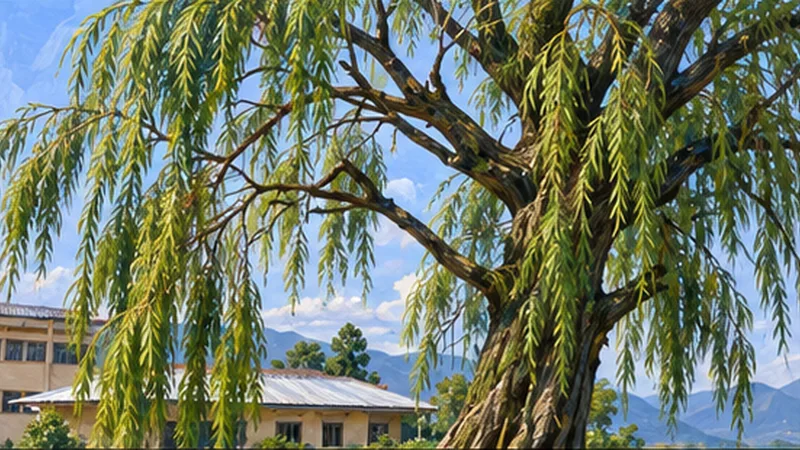
Bhutan White Pine
Recognition: whiteish-greyish tinge Short needles long slender cones two rows of hanging needles many branches, little space between them Found in: Max West Arunachal, Mechuka sometimes Ziro, Neora Valley National Park (West Bengal) very rarely Sikkim
Source · Himalayas Conifers Tree Guide by Duskron
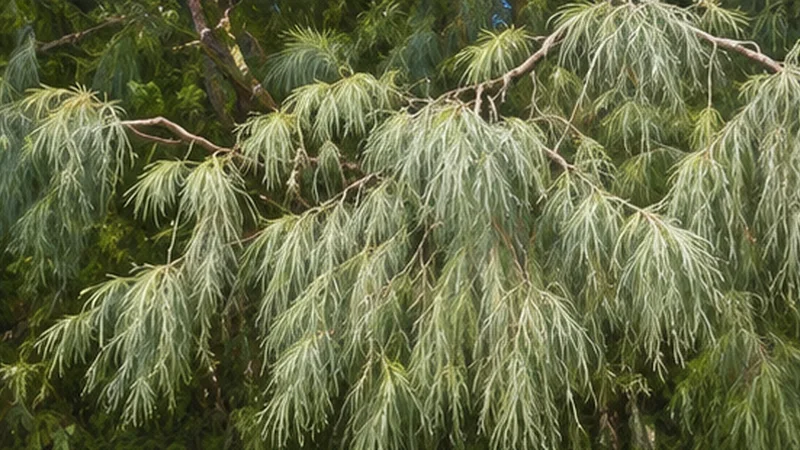
Blue Pine
Recognition: individual branches well visible edges of branches have thin brush of new needles in higher elevation, the crown will be conical needles drape down in all directions Found in: mostly: Max West Arunachal; Road south of Harsil sometimes: Dharamshala, Manali, Kullu, Shimla, Sarahan, Southern Uttarakhand Mountains rarely: Further inside the Uttarakhand mountains
Source · Himalayas Conifers Tree Guide by Duskron
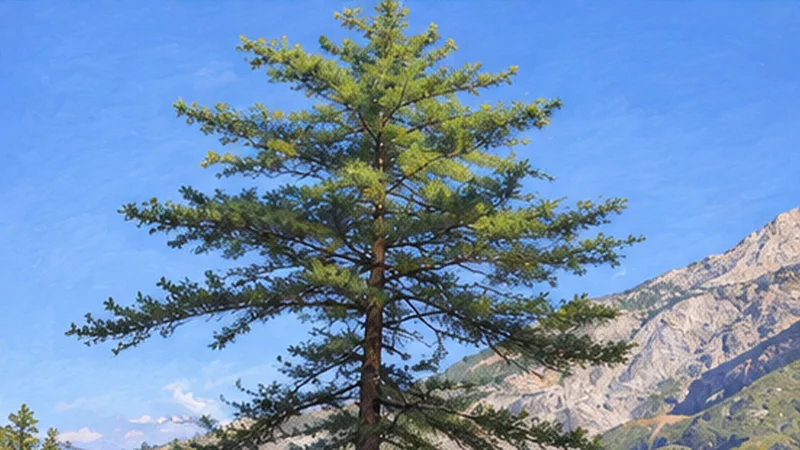
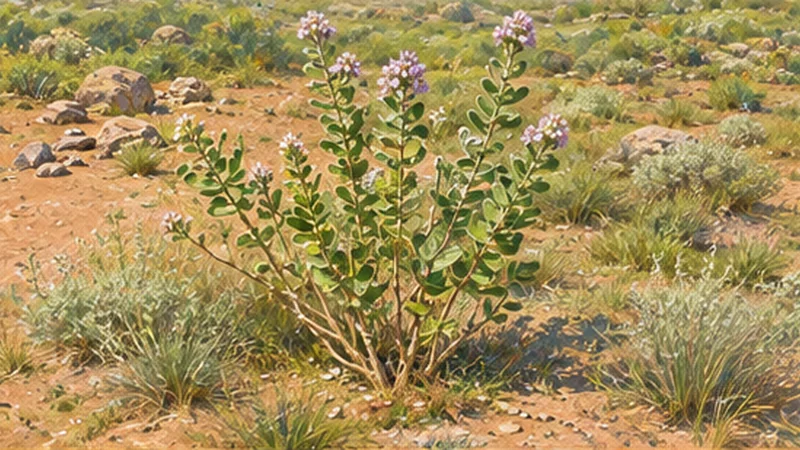
Calotropis Procera
Calotropis Procera is found all over Rajasthan and less in surrounding states so it is a good clue for Rajasthan if you have a lot of it.
Source · India region guessing doc by bzhbzhbzh
Chir Pines
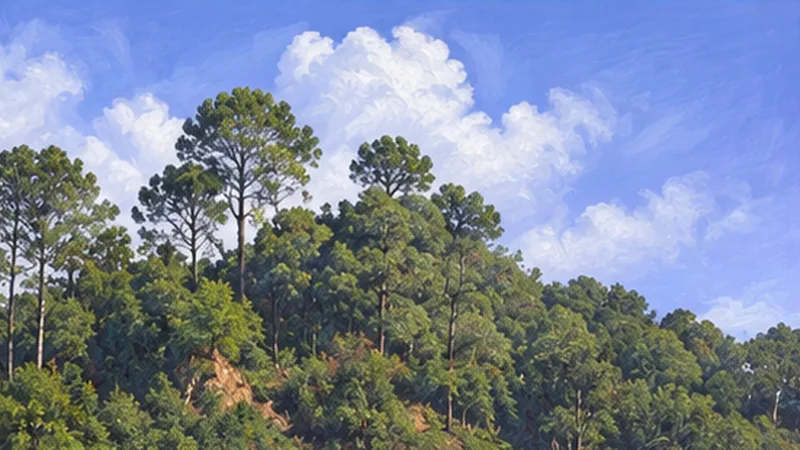
Recognition round crown young pines: conical crown, thick brush for new needles Found in Mountainous Uttarakhand; Shimla, Dalhousie (Himachal Pradesh); Elevated Jammu / Kashmir Sometimes Dharamshala (Himachal Pradesh) Rarely low elevation dry valleys in Western Arunachal Pradesh
Source · Himalayas Conifers Tree Guide by Duskron
Coconut Palms
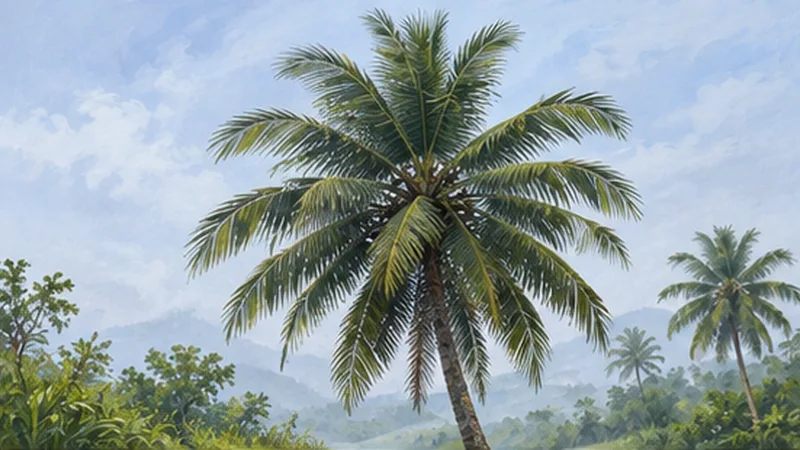
Coconut palms are most common in Kerala, the Western Half of Karnataka and Southern Coastal Maharashtra In general, they appear near Coasts, near the border to Bangladesh, and anywhere South of Central Telangana
Source · India Palms by duskron
Combination of Date Palm & Palmyra Palm
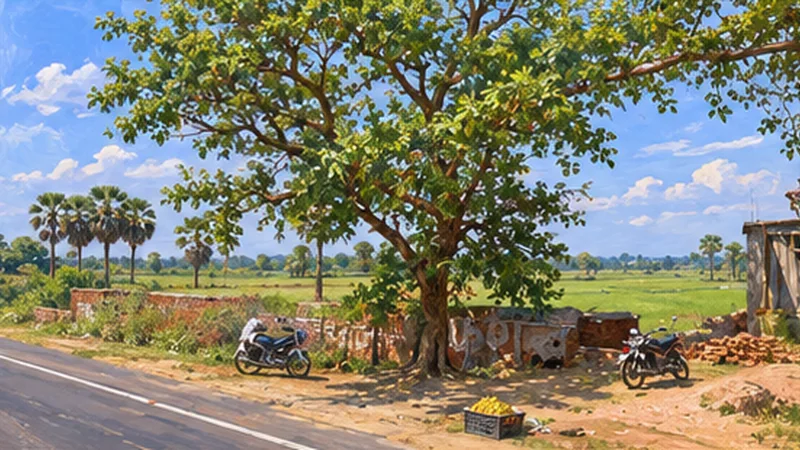
In Jharkhand, you will very often see the combination of date palms (a lot of them) and palmyra palms. I think it is one of the best clues for getting Jharkhand because it’s pretty unique. I also saw a lot of that combination of palms in Telangana so be careful and look for text before guessing.
Source · India region guessing doc by bzhbzhbzh
Date Palm · Tamil Nadu
In Tamil Nadu, the source records this palm chiefly in the northeast. Check the feather-like crown against the palmyra’s fan-shaped leaves.
Source · India Palms by Duskron
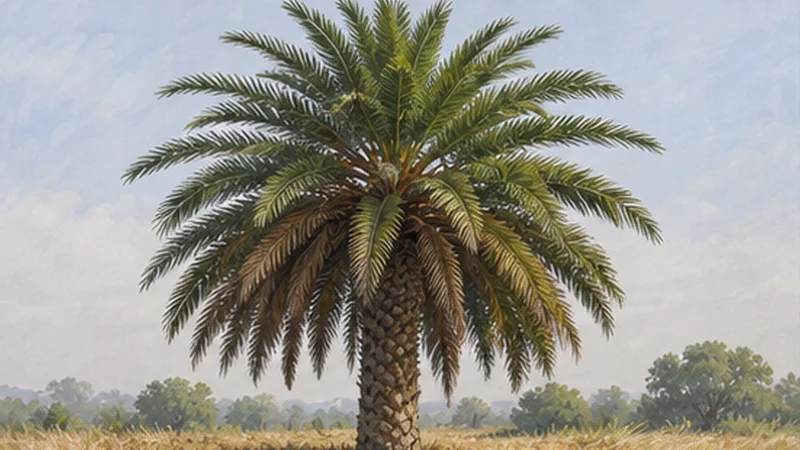
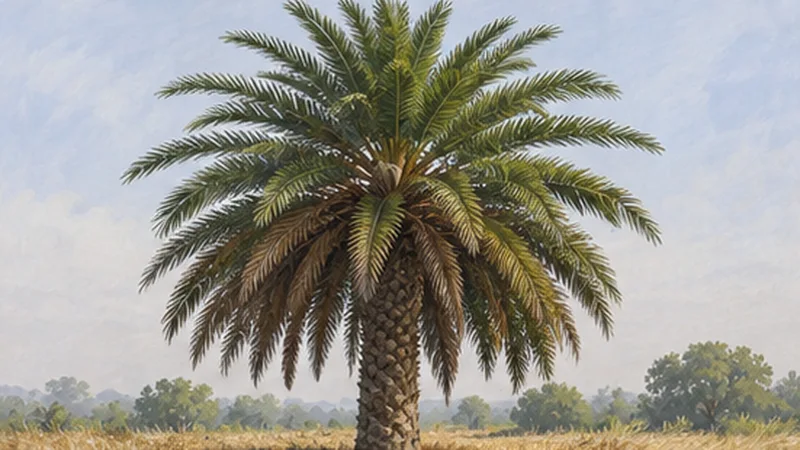
Date Palm
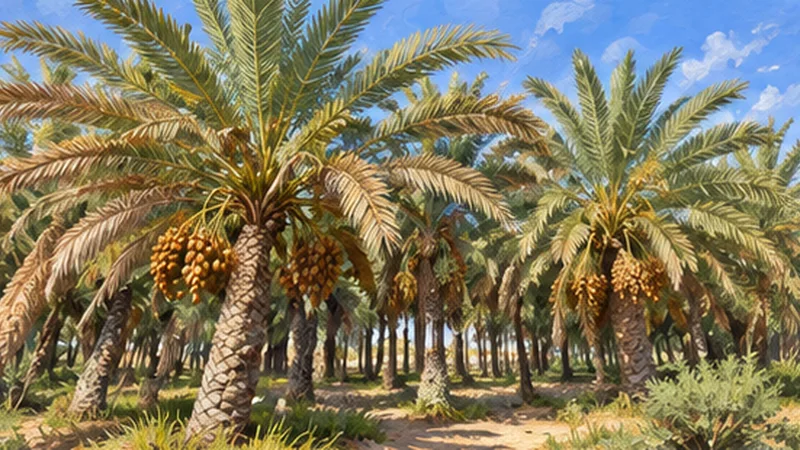
Date palms can be found in Central India. They appear North of the Latitude of Chhattisgarh, except for Himalayan states, the Northeast and Western Gujarat/RJ.
Source · India Palms by Duskron
Dead Trees
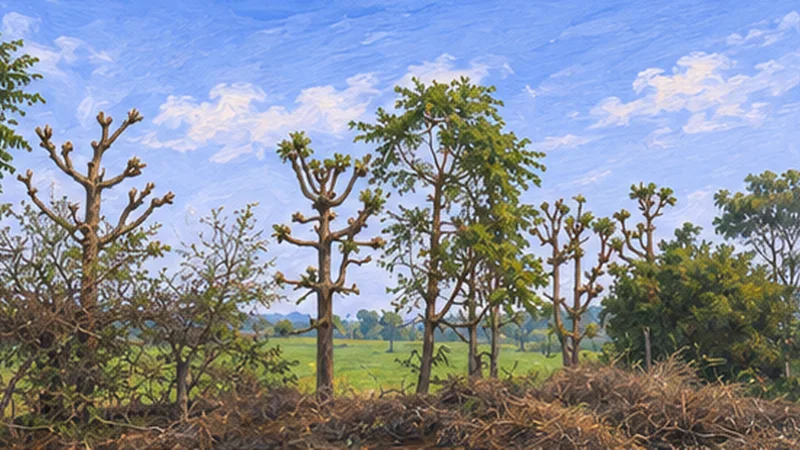
These 'dead'-looking trees are a very strong point to go to Rajasthan. They are concentrated mostly southwest of Sikar. Research by prizrak and Unassumed, shared on GeoGuessr India Discord
Doum Palm
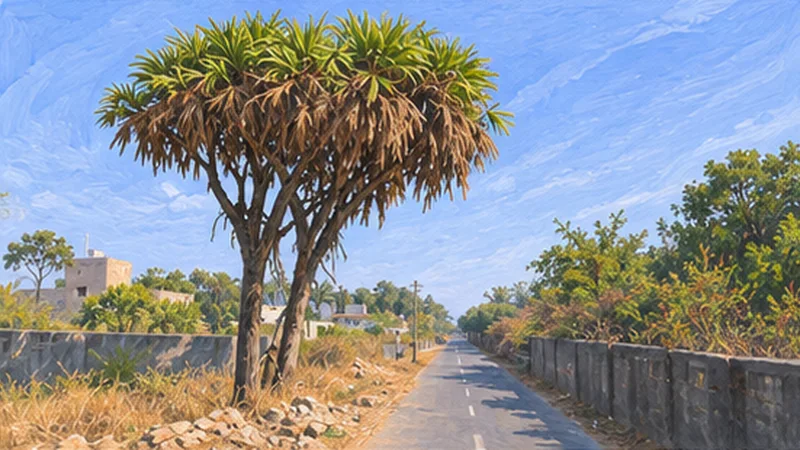
Doum palms, which appear similar to Palmyra palms but with multiple branches, are almost exclusive to the union territory of Diu.
Source · PlonkIt
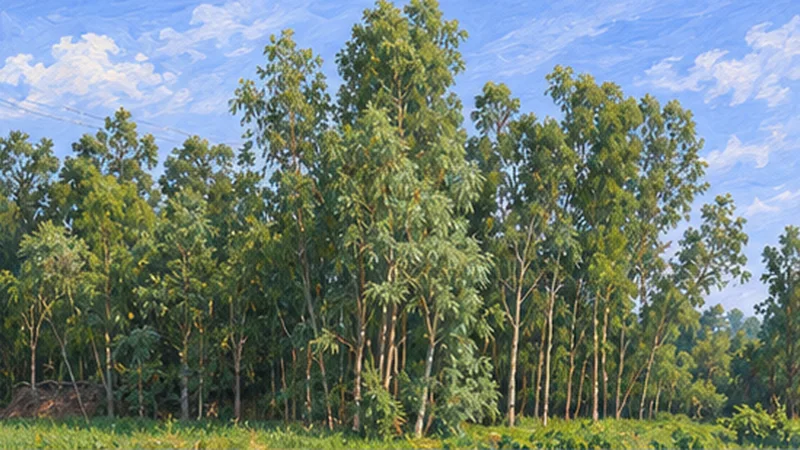
Eucalyptus
Eucalyptus trees are a good clue for the Uttarakhand foothills and nearby areas in Uttar Pradesh.
Source · Jayden
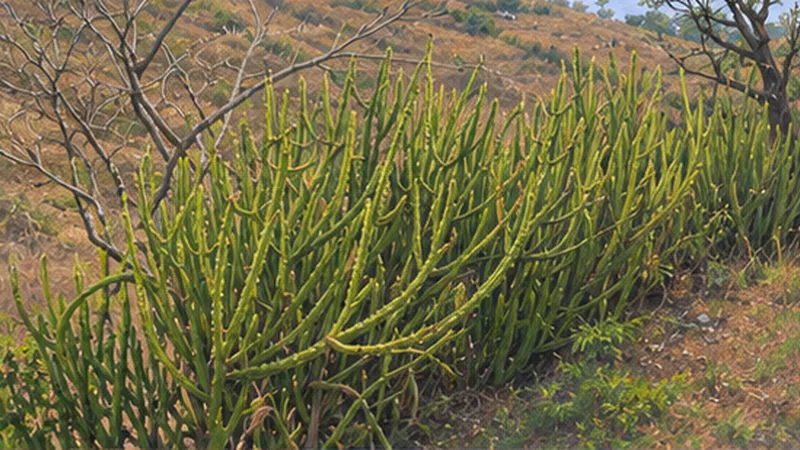
Euphorbia Neriifolia
This type of cacti (Euphorbia neriifolia) can commonly be seen as part of fences throughout Gujarat, western Maharashtra and the southern half of Rajasthan.
Source · PlonkIt
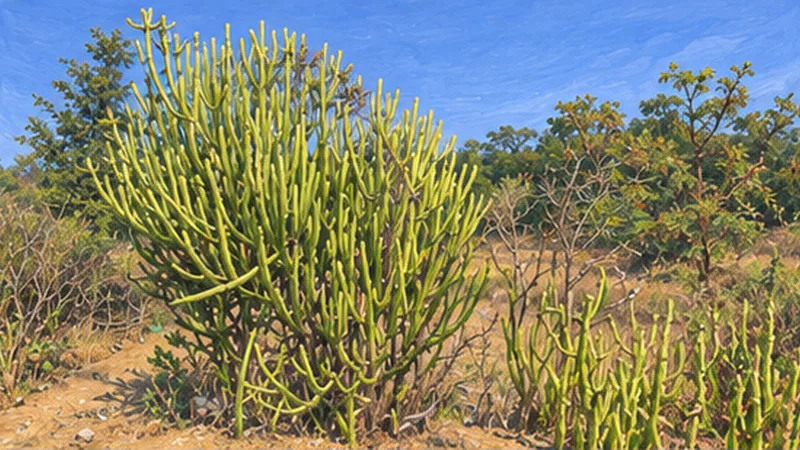
Euphorbia Neriifolia (Hilly Landcape)
South of Udaipur, you can find a very distinct landscape with narrow hills and a lot of this type of cactus (Euphorbia).
Source · India region guessing doc by bzhbzhbzh
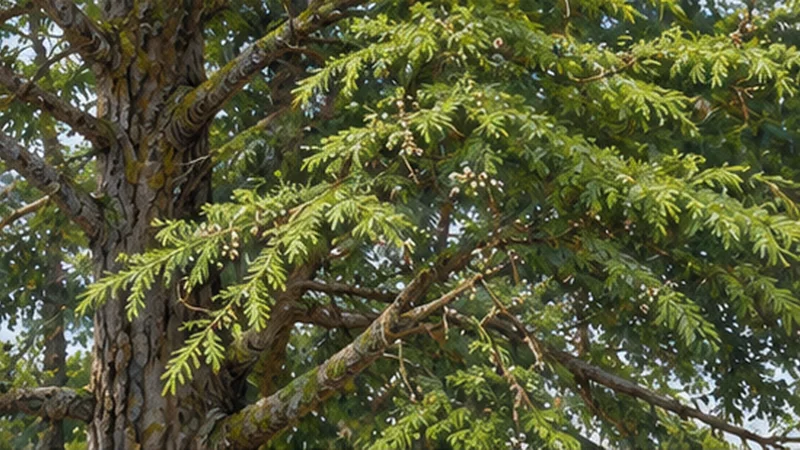
Himalayan Cedar
Recognition: downward bending branches very short needles Found in Shimla, Dalhousie, Dharamshala, Palampur, Kasol, Jibhi, South of Kullu, South of Manali (HP); Road from Harsil to Gangotri (UK) and Southwestern UK in general sometimes in Kangra, Solan, Manali-Dalang road (HP) and around Rudrapayag (UK) rarely in eastern Uttarakhand
Source · Himalayas Conifers Tree Guide by Duskron

Himalayan Hemlock
Recognition: twig with two symmetrical rows of short needles downward bending twigs crowns look a bit disorganized Found in: South of Senge and South of Dirang (Western Arunachal Pradesh)
Source · Himalayas Conifers Tree Guide by Duskron
Indian Pitcher Plant
The endangered Indian pitcher plant is exclusive to the Khasi Hills, which are mainly in Meghalaya. They can occasionally be spotted on road sides, especially on the NH206 north of Umlārem.
Source · PlonkIt (lowkey useless)
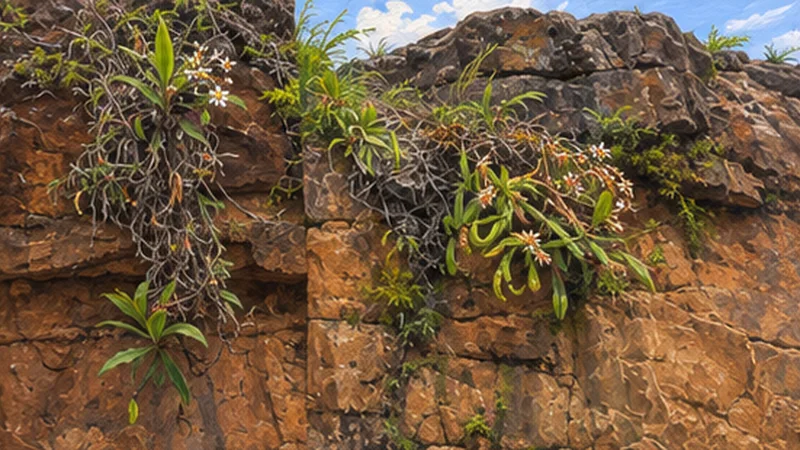
Jand Tree
This tree, often called Jand by Indians, can be recognized by the clusters of leaves at the end of thick branches. It is found in Northern Rajasthan and Southern Haryana/Punjab.
Source · Jayden
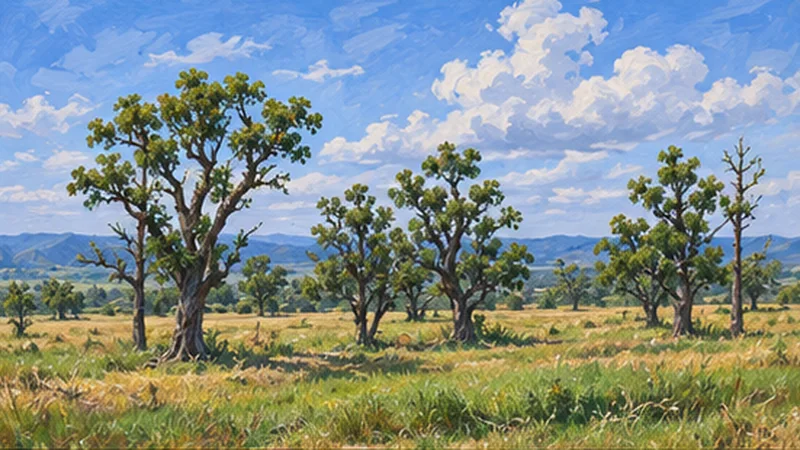
Japanese Cedar
Recognition: puffy, conical crown smooth reddish bark with parallel vertical indents "sea grass twigs" (look at picture #3) twigs growing in all directions Found in: Sikkim/WB Border Meghalaya Hills Dirang, Khellong, Bomdila (Arunachal) sometimes more north in Sikkim and west of Jamiri (Arunachal) rarely east of Jamiri (AR)
Source · Himalayas Conifers Tree Guide by Duskron
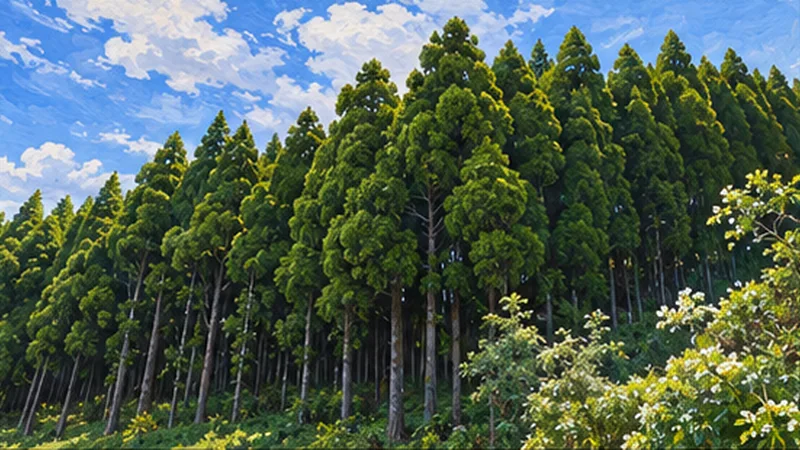
Khasi Pines
Recognition: disorganized crowns, neither conical nor round younger pines can appear round, but have shorter needles Found in: Meghalaya Hills Raga & South of Ziro Junction (Arunachal Pradesh) Imphal (Manipur) Champhai, Darlawn (Mizoram) Less commonly: Road from Ziro to Raga North Vanlaiphai (Mizoram) Rarely: Rest of Meghalaya and Mizoram Arunachal Pradesh / Nagaland border
Source · Himalayas Conifers Tree Guide by Duskron
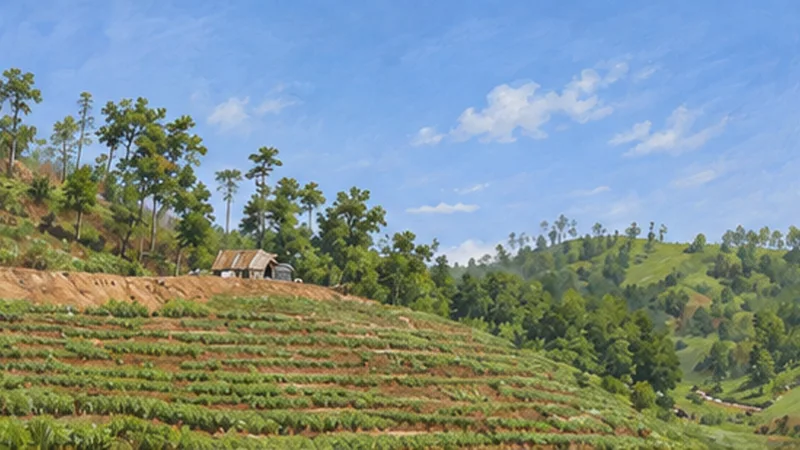
Macaranga Peltata
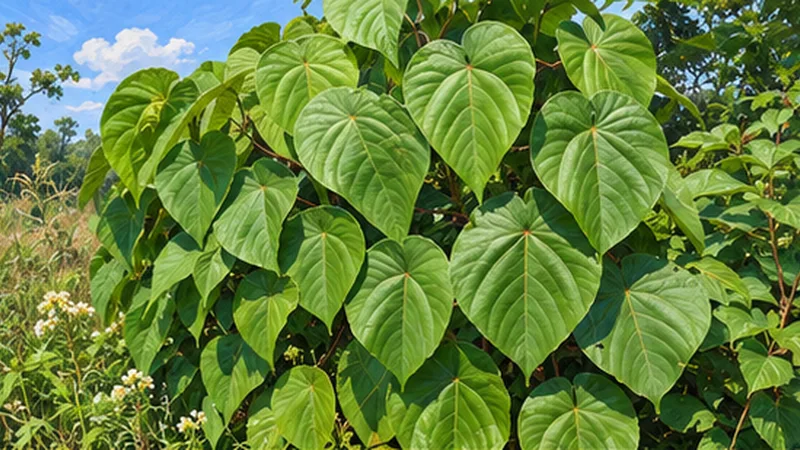
Parasol leaf tree (Macaranga peltata) is common along the southwestern coast anywhere south of Mumbai and seems to be virtually exclusive to that area, I have yet to find it anywhere else in India. To identify it, look for the teardrop shape of the leaves and the spot where the leaf stem connects to the inner part of the leaf blade. Posted on Plantcord(Invite) by Avetixz
Morinda Spruce
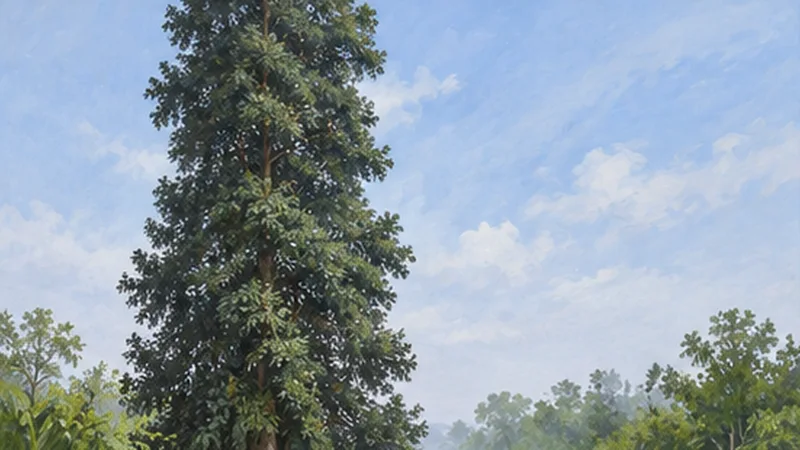
Recognition: Dense Foliage Shoots drape downwards Found in: Shimla, Kullu, Manali (Himachal Pradesh) Uttarkashi, Dehradun, Ukhimath (Uttarakhand) to a lesser extent: general area between Dehradun and Ukhimath rarely in Eastern Uttarakhand
Source · Himalayas Conifers Tree Guide by Duskron
Palmyra Palms
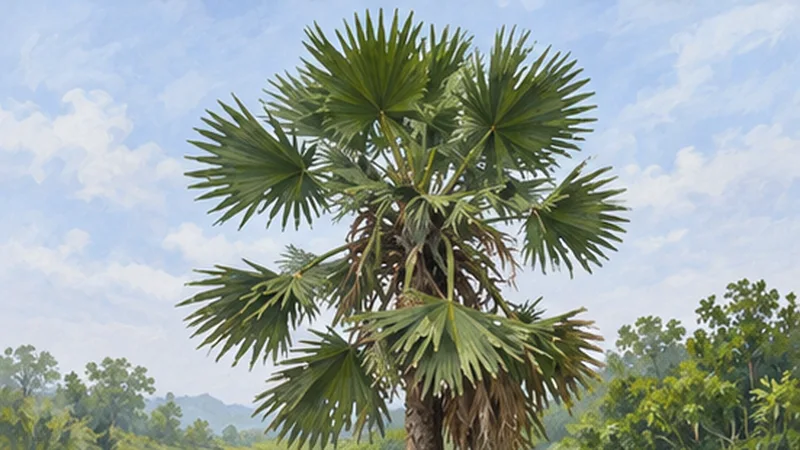
Palmyra Palms have a round crown with fan shaped leaves and a trunk with consistent thickness, giving them a lollipop shape. They appear mostly in 3 areas: Central Bihar Coastal Pondicherry towards Andhra Pradesh/Odisha border + Telangana Around Mumbai They are also common in coastal states from Tamil Nadu to West Bengal Bihar & Eastern UP Telangana Eastern Gujarat
Source · India Palms by duskron
Pindrow
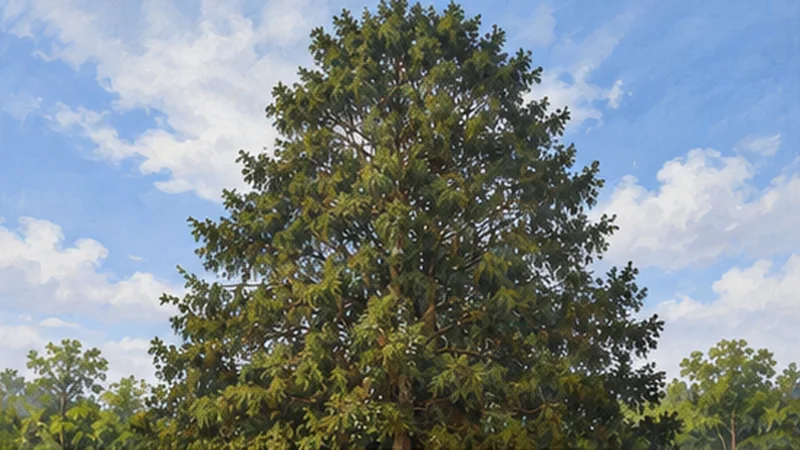
Recognition: Symmetrical Branches Layered Clusters Clusters shaped like an "inverse function" (see images) narrow, conical, dense foliage Found in: Jibhi (HP), Chinyalisour, Ukhimath (UK) sometimes Shimla (HP), Range from Dehradun to Rishikesh (UK) rarely remaining UK Mountains; Dharamshala, Palampur, Kullu, Kasol, Manali (HP)
Source · Himalayas Conifers Tree Guide by Duskron
Prickly Pear Cactus
Found in Gujarat, mainly at the southern peninsula (could be fake)
Source · India region guessing doc by bzhbzhbzh
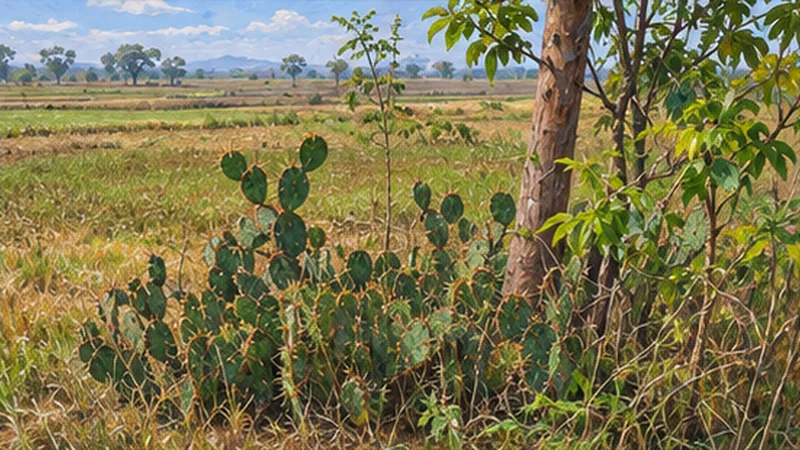
Rajasthan · Euphorbia Neriifolia (Flat)
West of Mount Abu, you can find a lot of Euphorbia cacti with flat landscape. Note that this meta is only specific for Rajasthan, Euphorbia appears in other states, like Gujarat, too.
Source · India region guessing doc by bzhbzhbzh
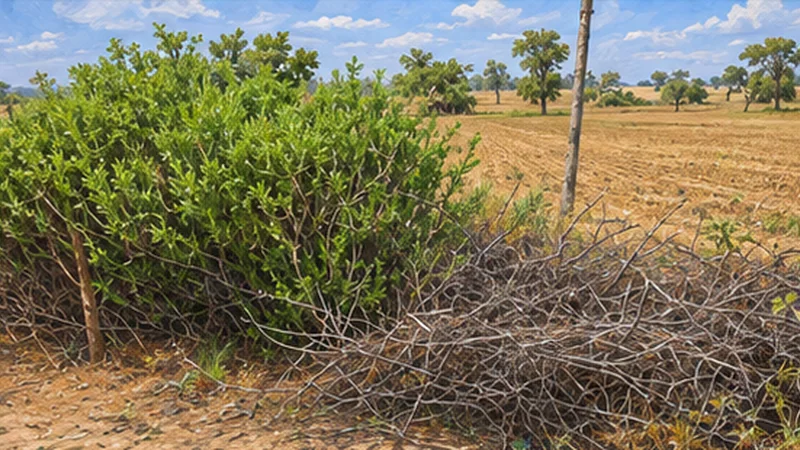
Sikkim Fir
Recognition: Symmetrical Shoots Longer Needles Small shoots make triangular shape Seperated clusteres at different hights Found in Senge, Manda La (AR)
Source · Himalayas Conifers Tree Guide by Duskron
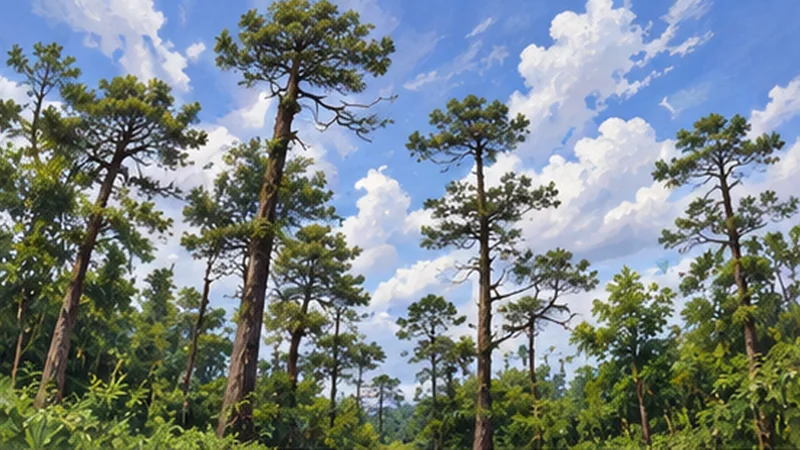
Sikkim Larch
Recognition: no needles in winter (which is currently all coverage in India with this tree) Conical structure that resembles a christmas tree lighter needles (if present) Found in: around Senge sometimes around Manda La (both Arunachal Pradesh)
Source · Himalayas Conifers Tree Guide by Duskron
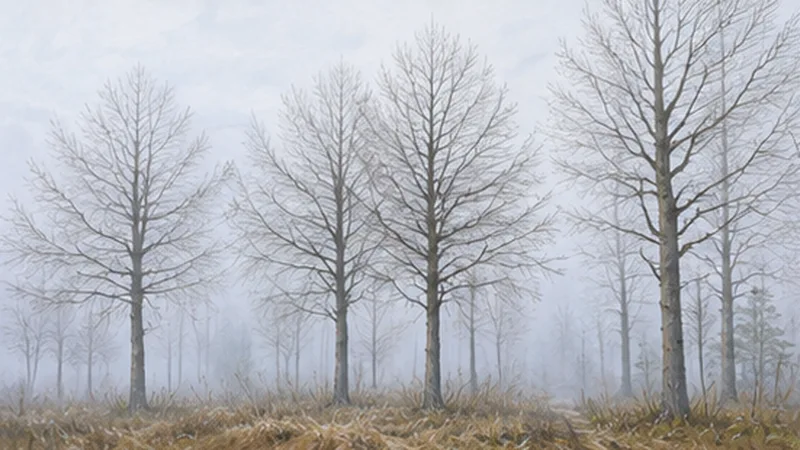
Sikkim Spruce
Recognition: needles organized in seperated clumps darker than pines individual branches visible (on high trees) new shoots & many buds often visible from afar Unique branch structure Extremely rare in India, so far only a singular tree has been found in Manda La.
Source · Himalayas Conifers Tree Guide by Duskron
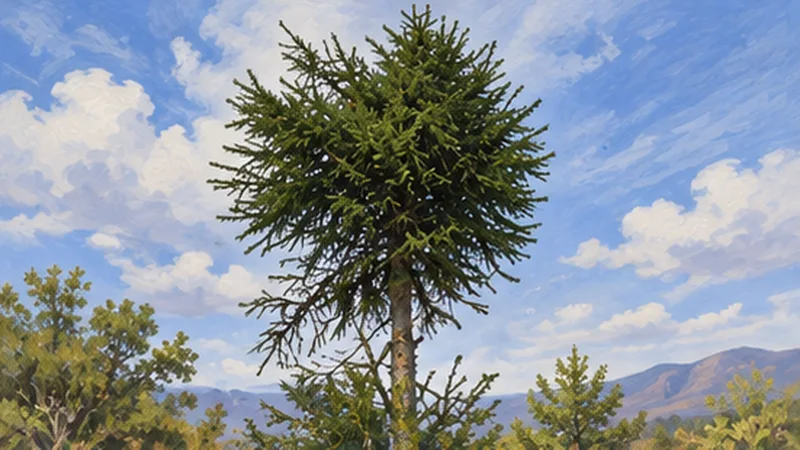
Teak Forest
Teak forests in wet season with boxy car can be found around the Gujarat-Maharashtra border between Surat and Nashik. The trees are quite distinctive, tall and narrow.
Source · India-Discord, shared by Ralius.
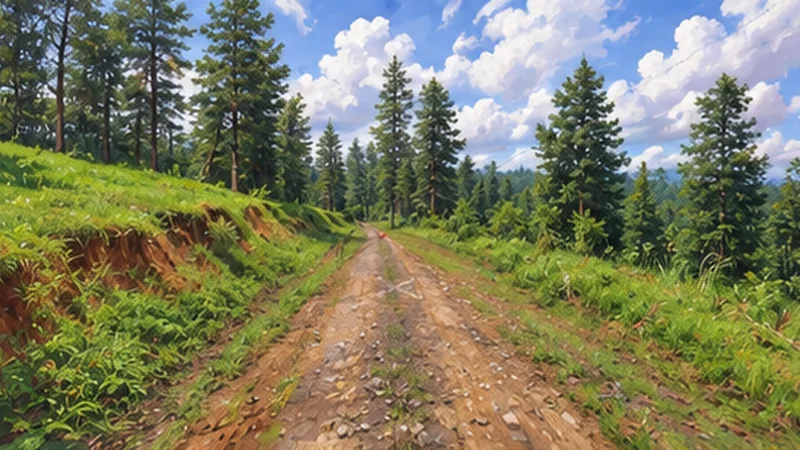
Telangana · Coconut Palms
If you see a Coconut, hedge in the south eastern half towards Andhra Pradesh, it has more of them.
Source · India region guessing doc by bzhbzhbzh
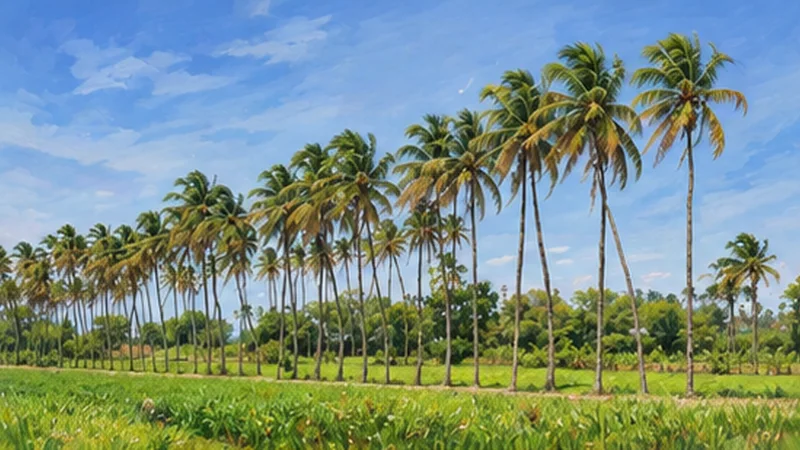
Indonesia
Areca
Areca palms (Areca catechu) are most prominent in western Sumatra; however they can also be seen elsewhere less commonly. They can be recognised by their relatively short and thick leaves.
Source · Real Meta Research Group
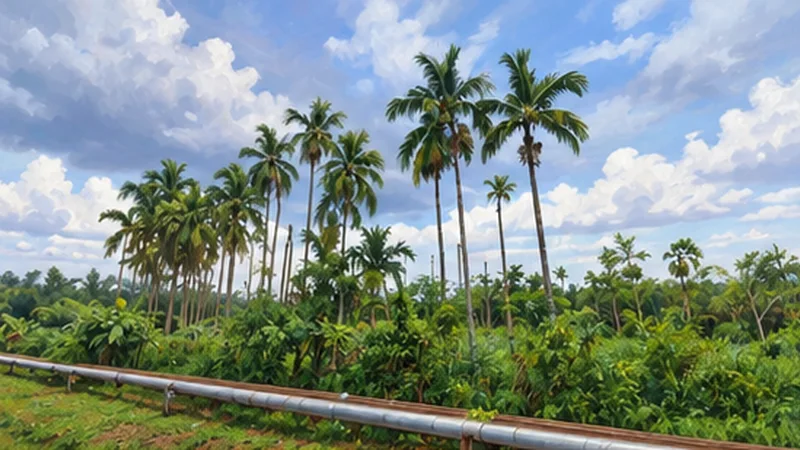
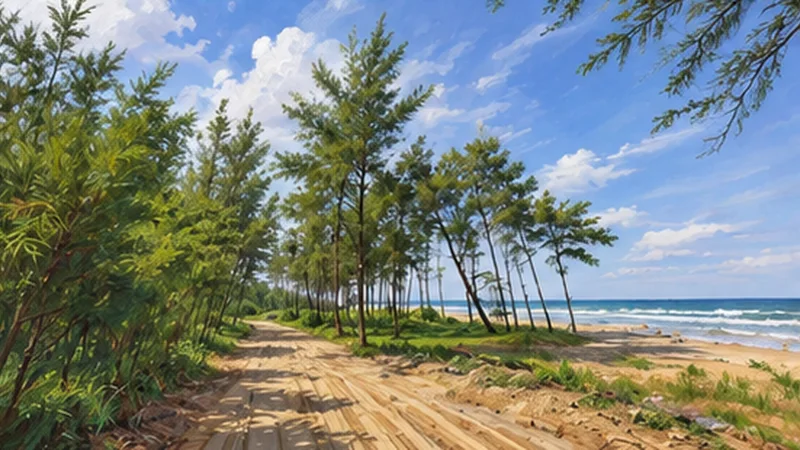
Coastal She-Oak
Coastal she-oak (Casuarina equisetifolia) can be found along the coast throughout much of the country, but particularly in Sumatra, Kalimantan and Java. Their leaves resemble the needles of pine trees, but are noticeably longer. Another species of she-oak can be found in mountainous regions throughout the country.
Source · Real Meta Research Group
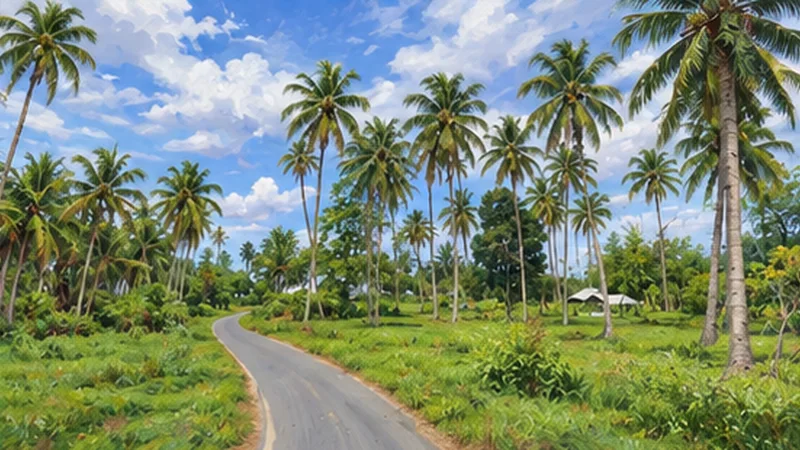
Coconut
Coconut palms (Cocos nucifera) can be found in many regions throughout Indonesia, but are most abundant along the coast, especially in western Sumatra, southern Java, northern Sulawesi and North Maluku.
Source · Real Meta Research Group
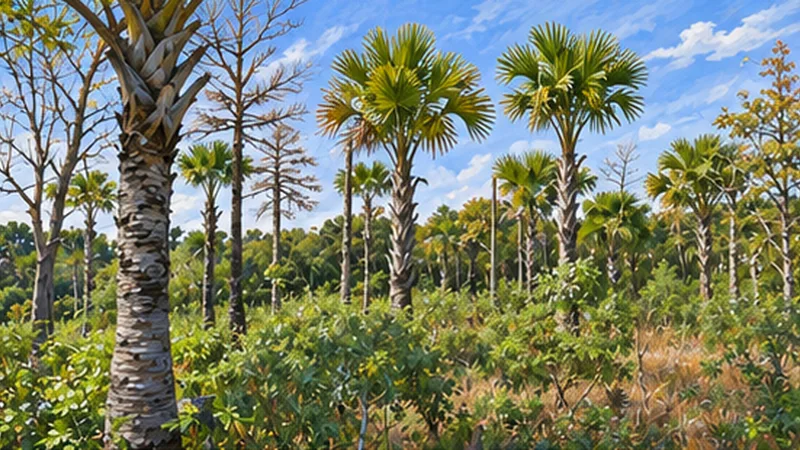
Footstool Palm
Footstool palm (Saribus rotundifolius) has fan-shaped leaves similar to those of Palmyra palm; however the crown is more open, the leaves are thinner and the palm itself is usually taller. It can be found most notably in Sulawesi and more rarely in other parts of the country.
Source · Real Meta Research Group
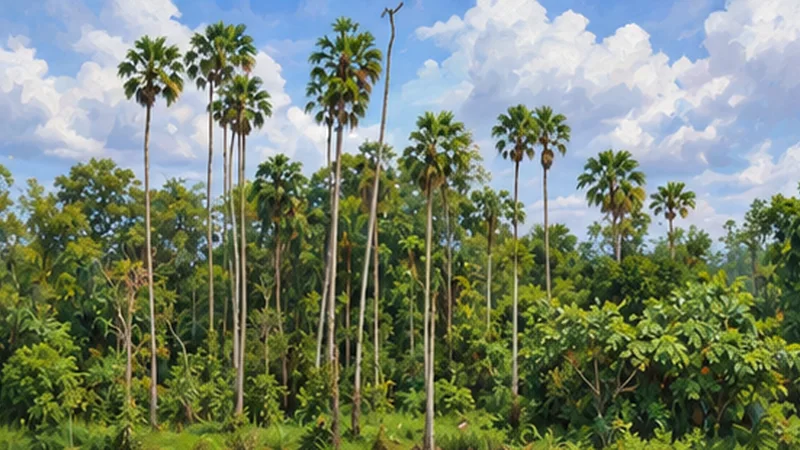
Gebang Palm
Gebang palm (Corypha utan) can at first glance look similar to both Palmyra and footstool palm due to its fan-shaped leaves, however the leaves are noticeably larger, stiffer and more upright in contrast to the round crown shape of both Palmyra and footstool palm. Unlike most palms, the gebang palm will only flower once at the end of its life in a dramatic gesture where the leaves wither away and it shoots one large inflorescence into the heavens before it dies. It is found mainly in the east of the country, namely Sulawesi and the Nusas.
Source · Real Meta Research Group
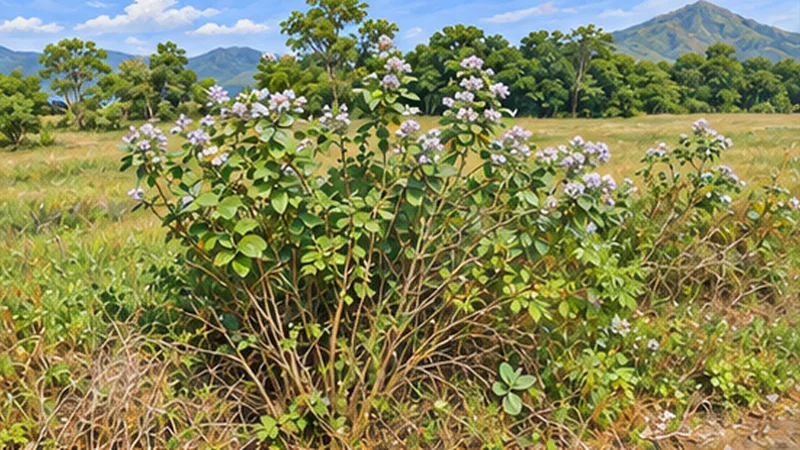
Milkweed
Giant milkweed (Calotropis gigantea) is a small shrub with thick round leaves and pale flowers. It can be found in dry regions of Indonesia, namely the Nusas and parts of Java and Sulawesi.
Source · Real Meta Research Group
Palmyra
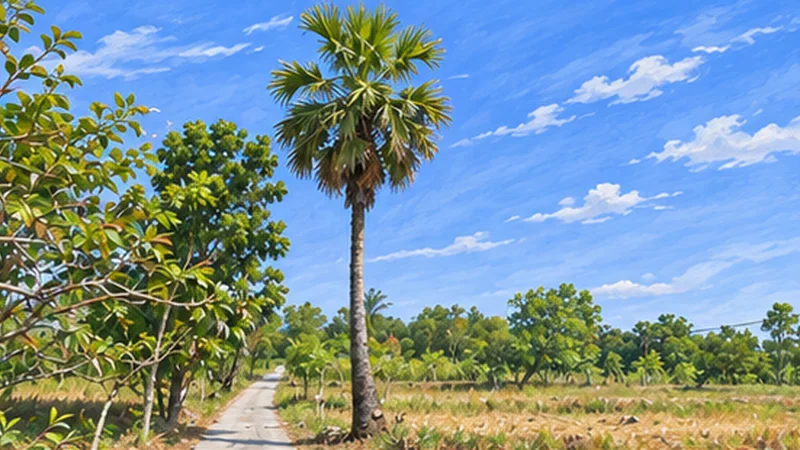
Palmyra palms (Borassus flabellifer) can be recognised by their fan-shaped leaves and dense round crowns. Compared to footstool palm, the crown is more dense, the leaves are heavier and the palm itself is usually shorter. It is found in dry parts of the country, namely the Nusas and South Sulawesi.
Source · Real Meta Research Group
Sumatran Pine
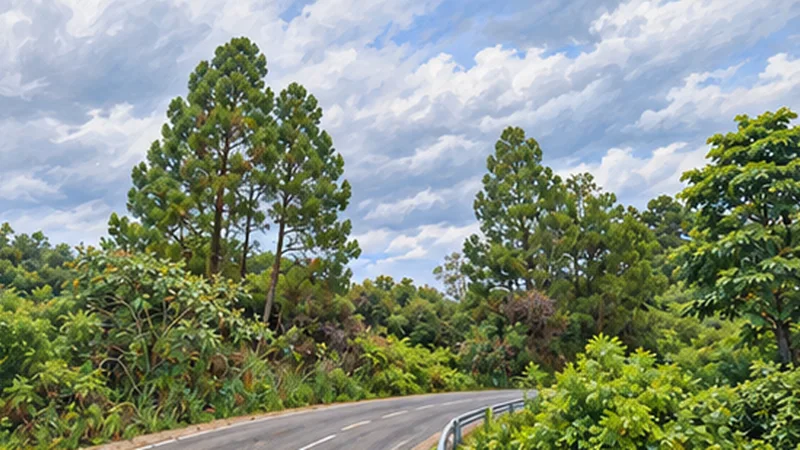
Sumatran pines (Pinus merkusii) in Indonesia can be found in a few pockets across the country, notable areas include North Sumatra and Java. They can be recognised by having long needles for leaves, but be careful not to confuse them with she-oak, which has even longer leaves.
Source · Real Meta Research Group
White Leadtree
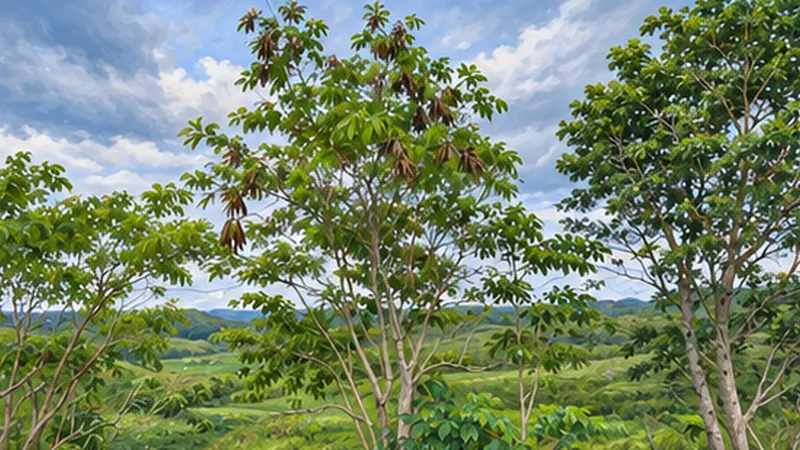
White leadtree (Leucaena leucocephala) can be recognised by its delicate featherlike (bipinnate) leaves. Fruits are often also visible in the form of legume pods. It can be found mainly in the Nusas as well as a few other dry areas of the country.
Source · Real Meta Research Group
Japan
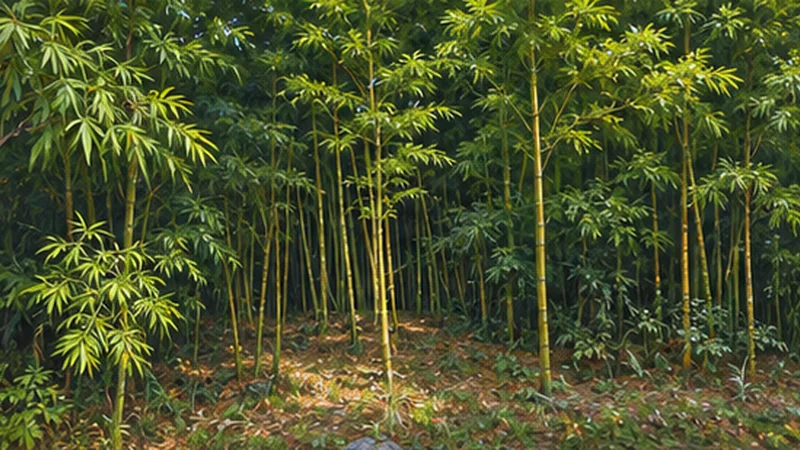
Bamboo
In general, bamboo grows more often in the south, and slowly decreases further north. Population size and areas where it grows can vary, so use this information primarily in helping assist your region guess.
Source · PlonkIt
Chinese Silver Grass
Chinese Silver Grass, referred to as Kyushu grass, is indeed very abundant on the island of Kyushu. However, use this tip with caution, as they can be seen outside of this area. NOTE: Another notable region they can be found in is the prefectures of Niigata, Yamagata and Akita. Though, combining the rather large quantity found on Kyushu, its normally distinct vegetation, along with other information, there often will be a clear distinction.
Source · PlonkIt

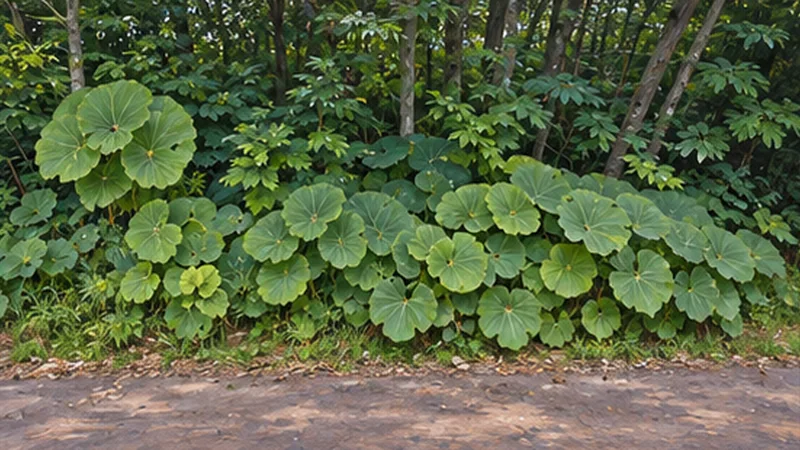
Giant Butterbur
Giant butterbur (commonly referred to as cabbage) is abundant in Hokkaido and some northern prefectures. Plants found south of Hokkaido often have smaller leaves. It is often found growing along the roadside.
Source · PlonkIt
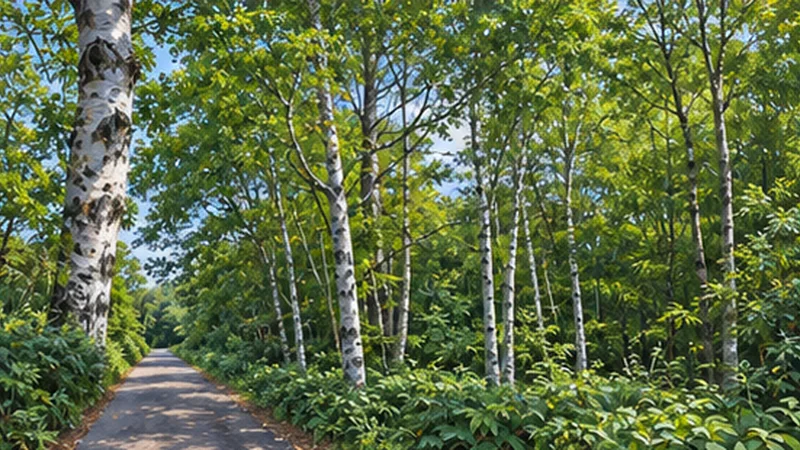
Japanese White Birch
Japanese White Birch grows dominantly in the Chubu and Hokkaido regions, and to a lesser extent in Tohoku. Small areas of white birch can be found throughout Japan, so use this information primarily to help assist your region guess. NOTE: Japanese Beech is another species of tree found in Japan. They, however, have more grey and spotted bark, as opposed to the mostly white Japanese White Birch.
Source · PlonkIt
Mexico
Coastal Cactus
If you see a cactus in a coastal area, you're probably in Oaxaca.
Source · Mexico Deconstructed by Addlama
Agave Asperrina
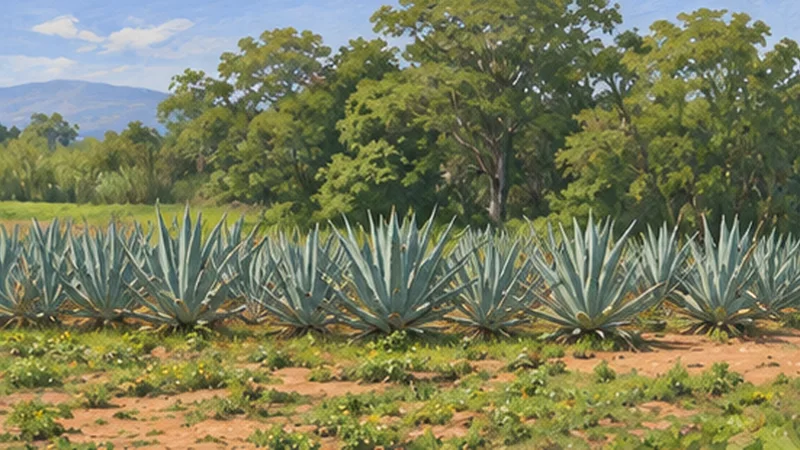
The rough century plant looks similar to the pulque agave but its leaves are blueish and it is much smaller. It is distributed nearly identically to A. lechuguilla (Durango and Coahuila, especially around Saltillo and West of Torreon, rarely SLP and Hidalgo), and is often difficult to spot from the road, only barely visible in the distance in batches.
Source · Mexico Deconstructed by Addlama
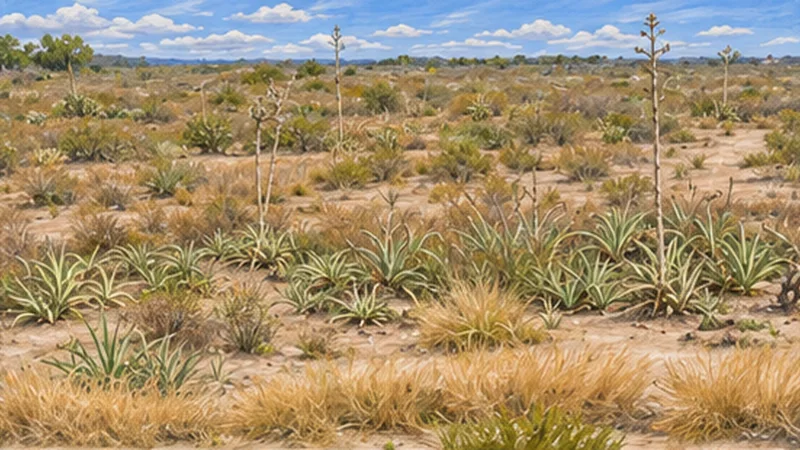
Agave Cupreata
Agave cupreata is a very rarely observed agave that is localised to central Guerrero. Its name is apt - it has a much more pronounced, cup-like appearance than other agaves, with the leaves lurching inwards. It is often found growing on walls in groups as depicted.
Source · Mexico Deconstructed by Addlama
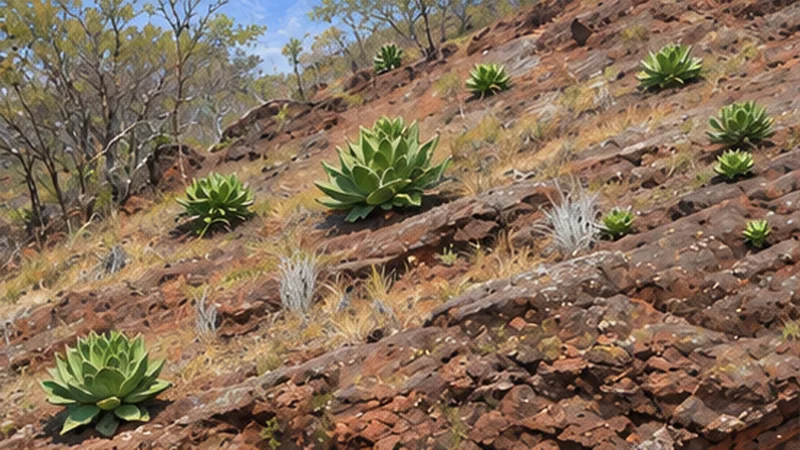
Agave Karwinskii
A. karwinskii is exclusively seen in the central desert region of Oaxaca, mostly near the town Miahuatlán de Porfirio Díaz, even though technically its native distribution extends elsewhere in the state and barely into Puebla. Its spiky thin leaves, protruding from the centre in a cylindrical formation, make it quite distinct from other common agaves.
Source · Mexico Deconstructed by Addlama
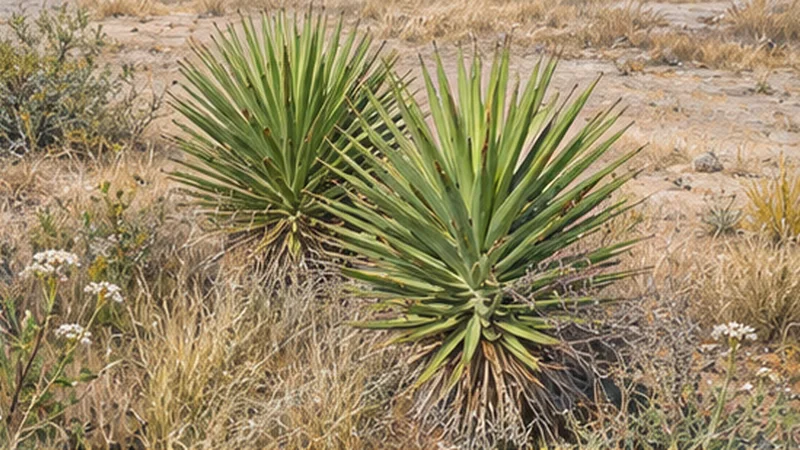
Agave Lechuguilla
Agave lechuguilla is a very frequent sighting in the hills of Durango and Coahuila, particularly around the cities of Saltillo and west of Torreon. More rarely it can be found in San Luis Potosi and Hidalgo. It is distinguished by its slick, lime-green leaves that almost look as if they are combed to one side.
Source · Mexico Deconstructed by Addlama
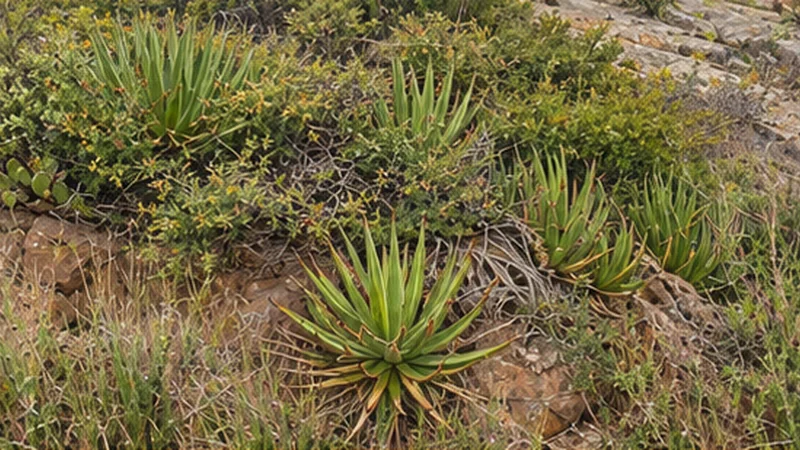
Agave angustifolia
blue, but less blue than tequilana, smaller grouping found in Central Oaxaca
Source · Mexico Deconstructed by Addlama
Blue Myrtle Cactus
Myrtillocactus Geometrizans is a species of cactus in the genus Myrtillocactus, native to central and northern Mexico. It is especially abundant in San Luis Potosi, but also common in Queretaro and Hidalgo, and much more rarely Guanajuato.
Source · A Learnable Plant World by Zen
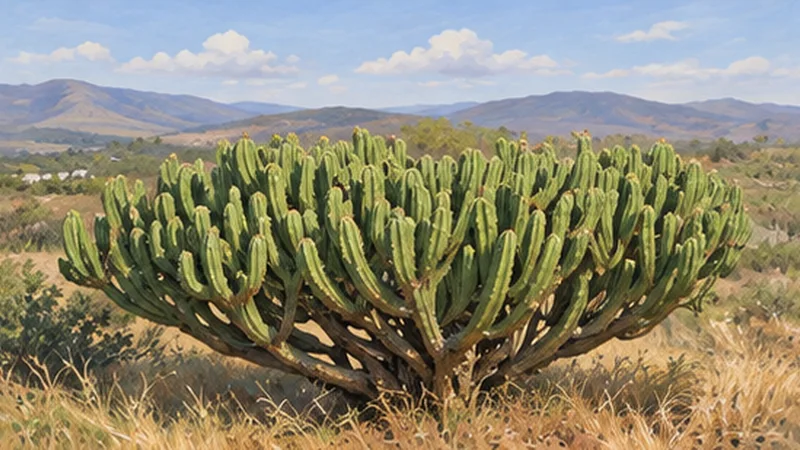
Boojum Tree
Boojum trees can be recognized by their alien, tentacle-like appearance. They are almost exclusively found in the southern half of Baja California.
Source · PlonkIt
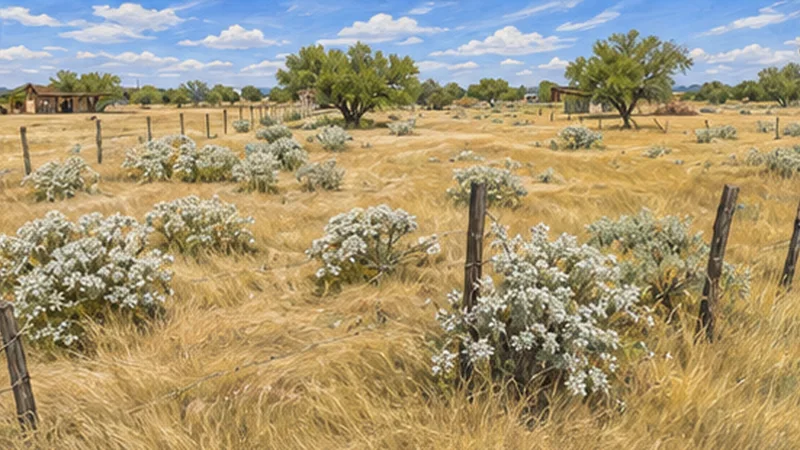
Brittlebush
Brittlebush are small shrubs with bright silver-grey leaves that are most commonly found in Sonora, especially around Hermosillo.
Source · PlonkIt
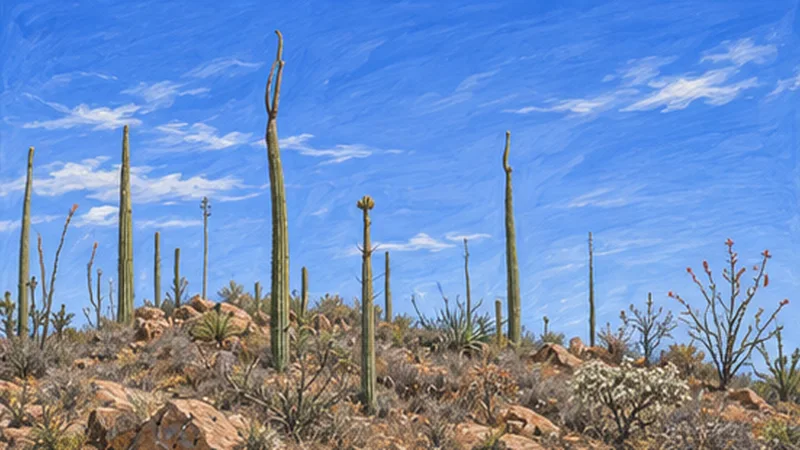
Candelabro
Pachycereus weberi is widespread in the Mexican states of Puebla, Guerrero, Morelos, Hidalgo and Oaxaca at altitudes of 600 to 1,500 m.
Source · A Learnable Plant World by Zen
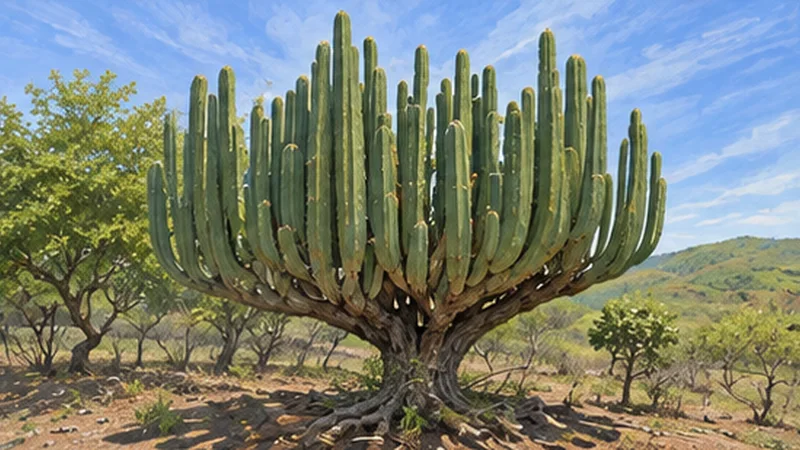
Cephalocereus Mezcalaensis
This tall, columnar cactus, with no branches, is native to northern Oaxaca and southern Puebla, and another of the many species present there. Much less commonly but still possibly it can be seen in central Guerrero.
Source · Mexico Deconstructed by Addlama
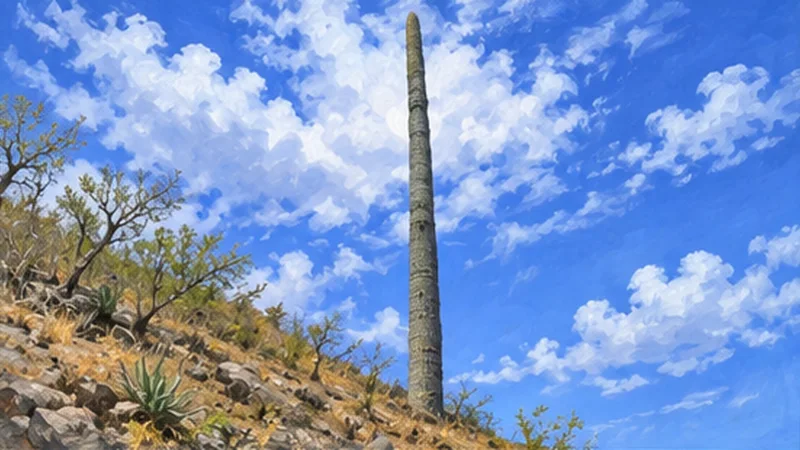
Chiotilla
The species originates from Mexico (Guerrero, Michoacán, Oaxaca, southern Puebla). It will almost always place you somewhere in Oaxaca, usually central in the state.
Source · A Learnable Plant World by Zen & Source: Mexico Deconstructed by Addlama
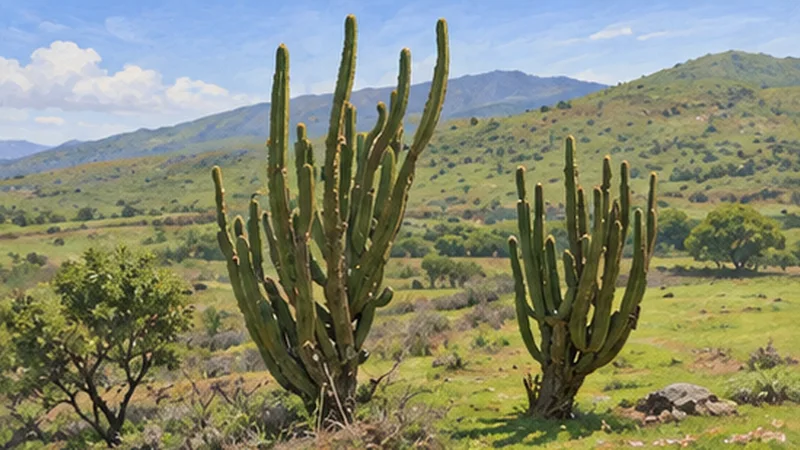
Coconut Palm
Coconut palms can be found all across the coast, but are often found in large groups in Guerrero and Colima.
Source · PlonkIt
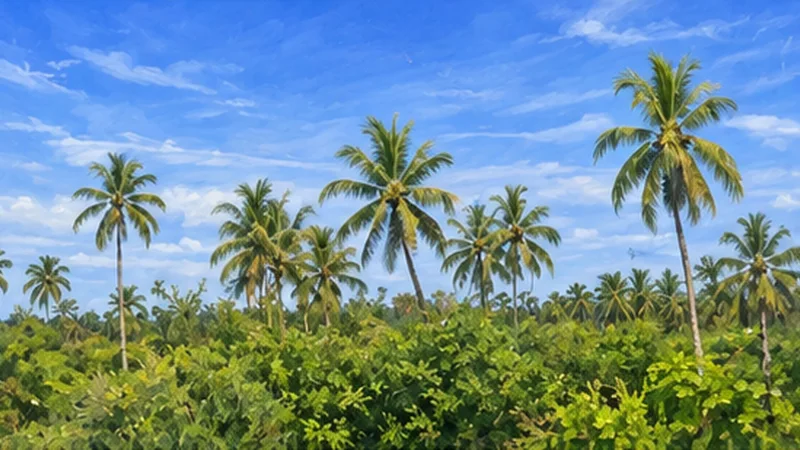
Florida Thach palm
This palm is recognizable through its round fan leaves. Within Mexico, it's usually found in Yucatan.
Source · A Learnable Plant World by Zen
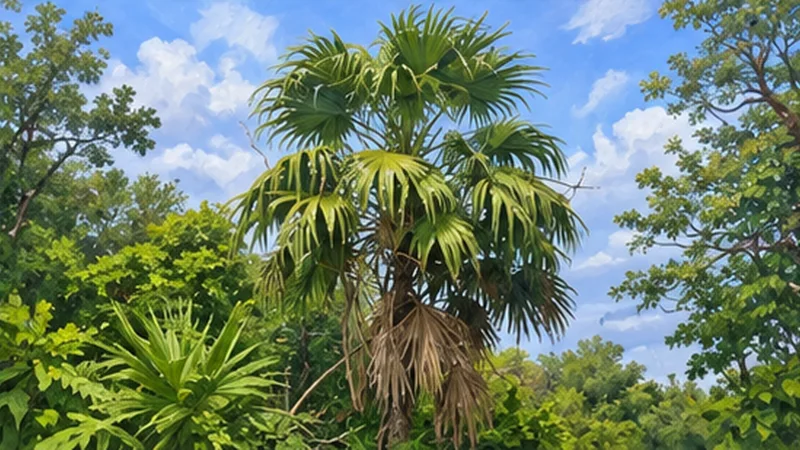
Fruit Cholla
The golden glow of the fruit cholla is also unmistakable, and present mostly in the Western Half of Sonora.
Source · Mexico Deconstructed by Addlama
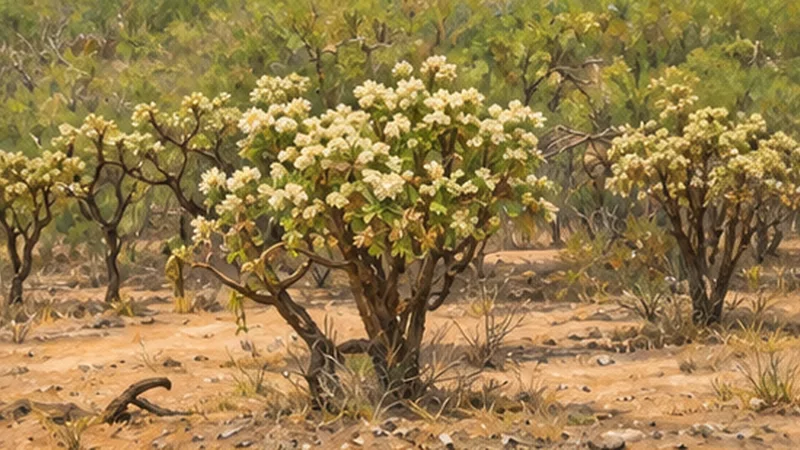
Giant Cardon
Pachycereus pringlei is a species of large cactus native to northwestern Mexico, in the states of Baja California, Baja California Sur. It can rarely be found on the Sonoran coast, around the area south of Puerto Libertad on the 3.
Source · A Learnable Plant World by Zen & Source: Mexico Deconstructed by Addlama
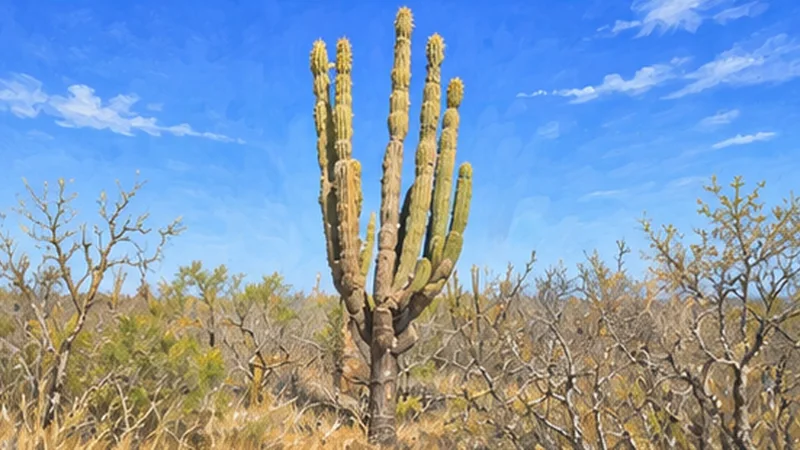
Golden Line
These gold tufts of grass in a line right next to the road are most commonly found in Coahuila.
Source · PlonkIt
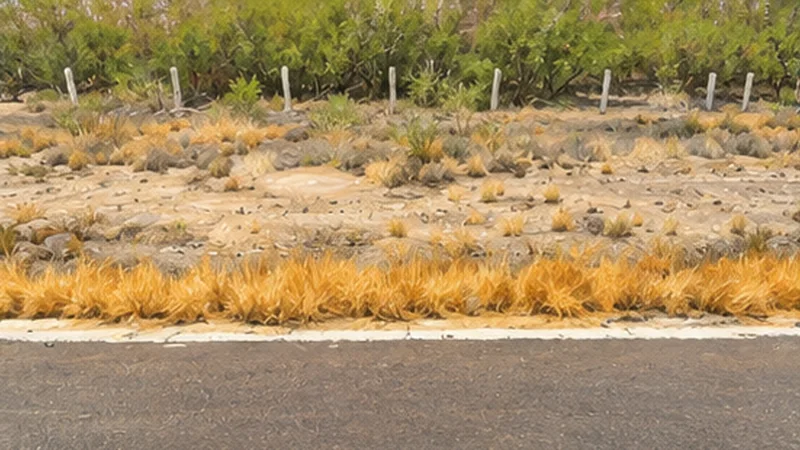
Indian Comb
The Indian Comb (Pachycereus pecten-aboriginum), is a common cactus that always implies Sinaloa, or south Sonora near Sinaloa, although technically its habitat extends elsewhere. Its densely packed branches emerge from a single stem, but most recognisable is its inflorescence - the brightly coloured flowers which usually adorn the tip of its arms.
Source · Mexico Deconstructed by Addlama
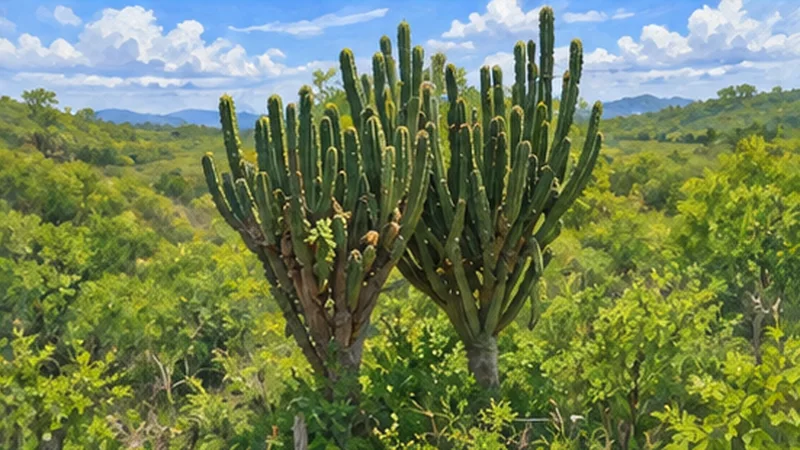
Organ Pipe Cactus
This species is found mostly in Mexico, mainly in Sonora and southern Baja California and Northern Sinaloa. If the cactus is significantly larger than 3m, it's probably in Southern Baja.
Source · A Learnable Plant World by Zen
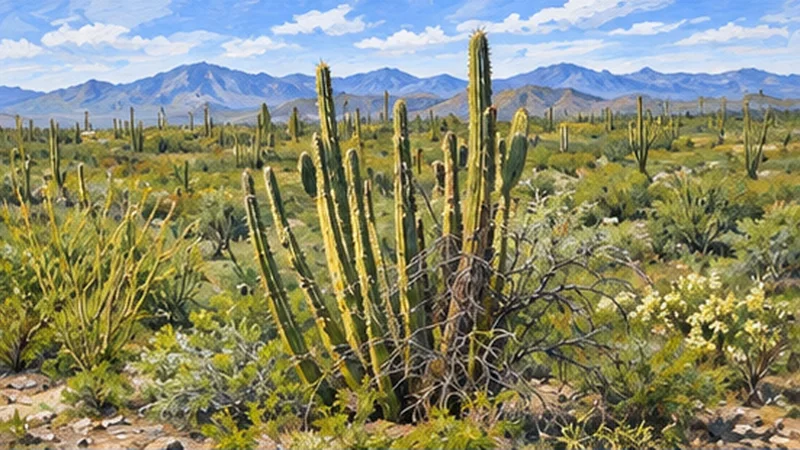
Organ Pipe Spam
A huge abundance of Organ Pipe Cacti it is usually indicative of the reserve El Cajón del Diablo, south of Hermosillo.
Source · Mexico Deconstructed by Addlama
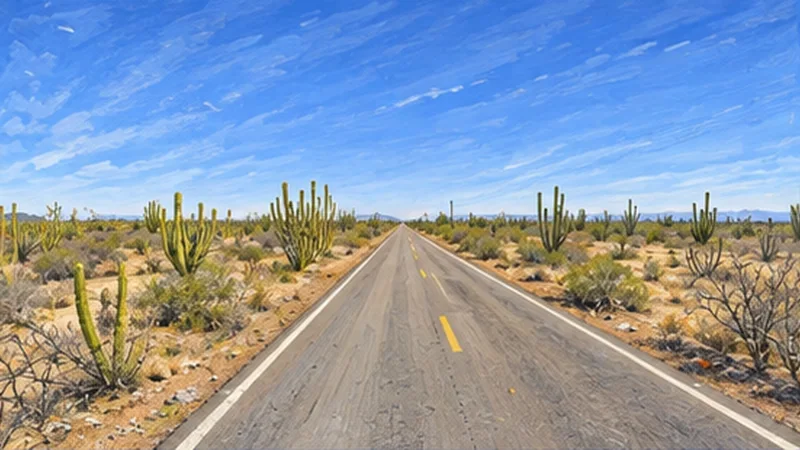
Pitaya de Querétaro
In Pitaya the branches less organically sprout from the ground in the weed-like manner of the Organ Pipe, and instead curl smoothly outwards from a central stem. It is mostly found in Jalisco, south of Guadalajara. Less commonly, it's seen in Guanajuato. It can be seen in Queretaro too, but surprisingly rarely.
Source · Mexico Deconstructed by Addlama
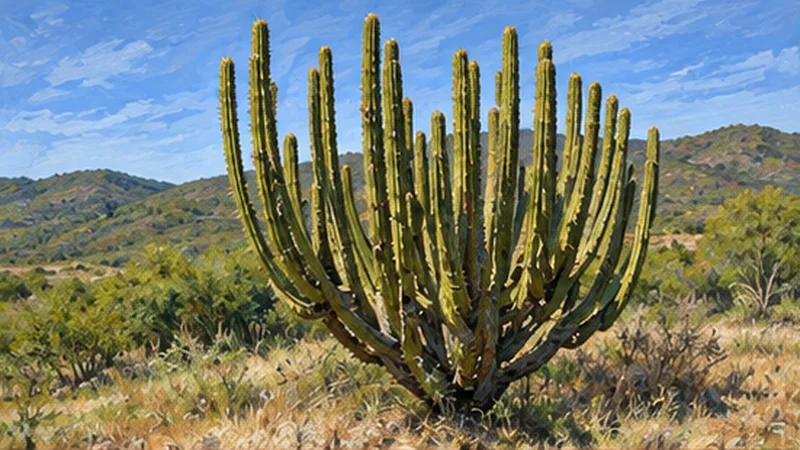
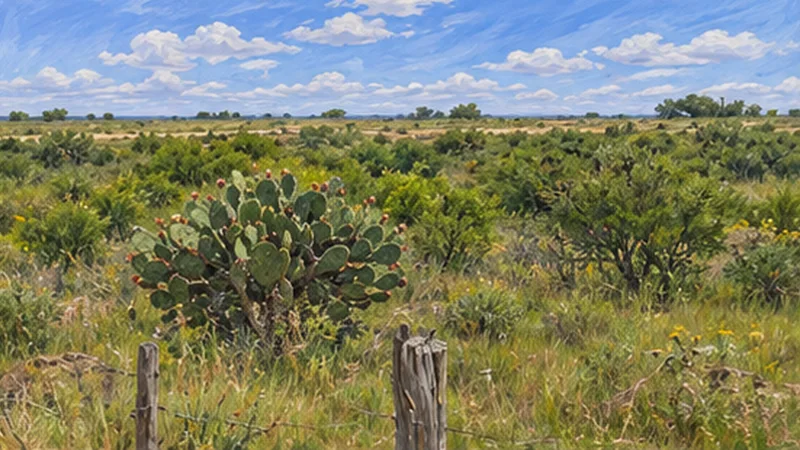
Prickly Pear Cactus
Prickly pear cacti are distinct with their flat oval-shaped pads. They are noticeably more common centrally and are rarely seen in southern and coastal states. They are also good for some 50/50: Durango > Chihuahua Durango > Sonora (less reliable) Nuevo Leon > Tamaulipas Other States > Mexico State
Source · PlonkIt & Source: Mexico Deconstructed by Addlama
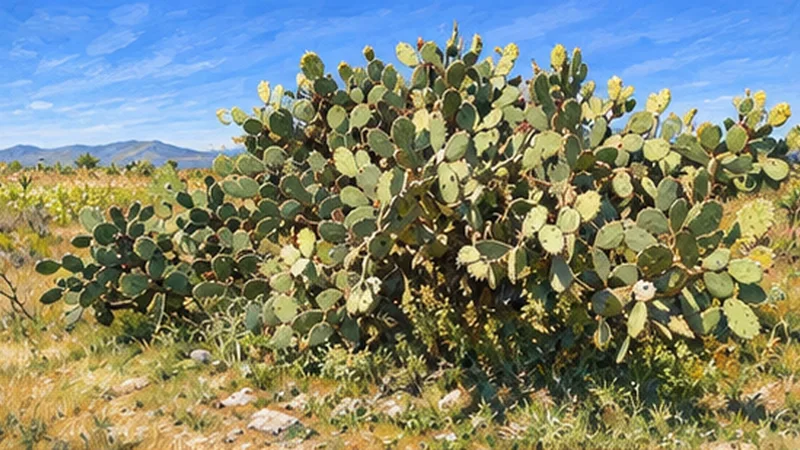
Prickly Pear alone
Prickly pear cacti with a total absence of other cacti, yucca, agaves or in general succulent plants except for the prickly pear is generally a good signal for the centre-west (Jalisco, Guanajuato, Michoacan).
Source · Mexico Deconstructed by Addlama
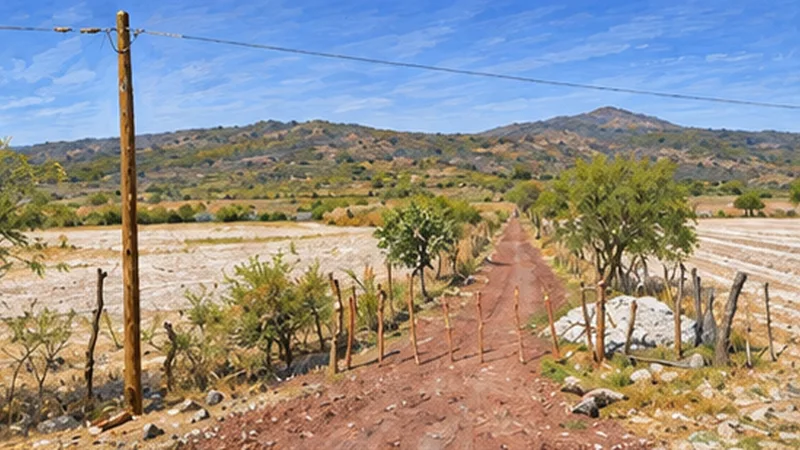
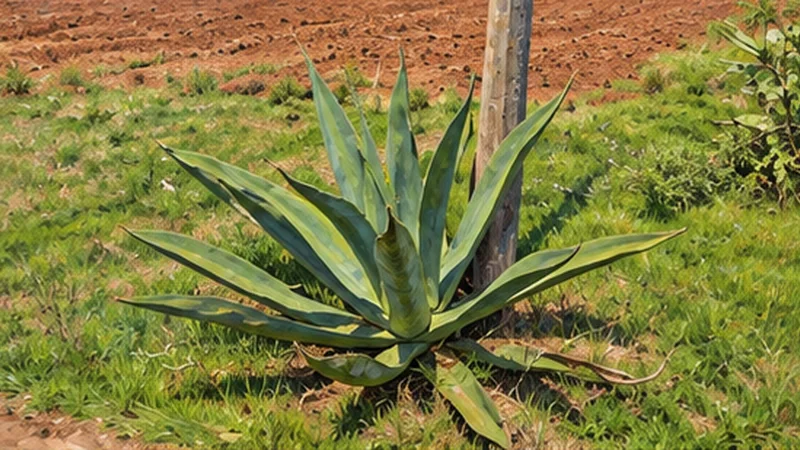
Pulque Agave
Agave salmiana, colloquially the pulque agave, is native to central Mexico. Agaves in general are distinguishable by their crown-like appearance, with stiff leaves which fan outwards symmetrically. The pulque agave is no different, but has green leaves, relatively smooth edges, and flat leaves that curl slightly away from the central axis. Note its distribution, in an arc around Mexico City and a second pocket of endemism which straddles San Luis Potosi city and Aguascalientes.
Source · Mexico Deconstructed by Addlama
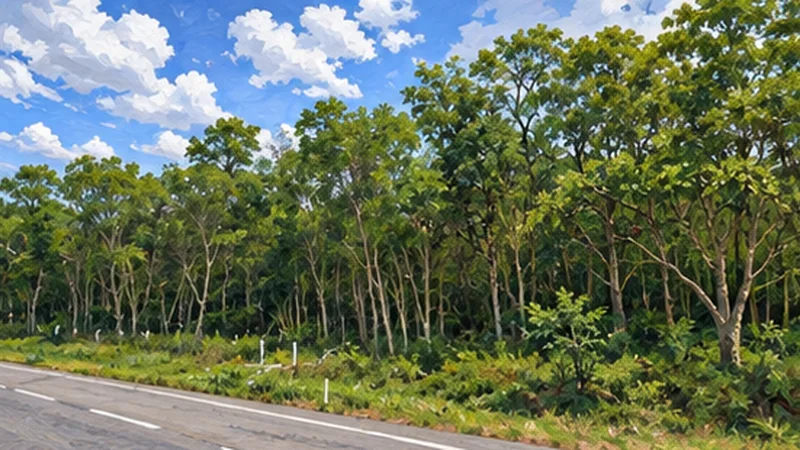
Quintana Roo Tree
These thin, white-barked trees can be found in the Yucatan peninsula, but are most prevalent in Quintana Roo.
Source · PlonkIt
Sabal Mexicana
This palm seems to be prominent in coastal Texas, the east and the south coast of Mexico, Yucatán peninsula, and Guatemala. The key difference between this one and the other Sabal palms is the shape and arrangement of the leaves. Sabal Mexicana has large, stiff, pointy leaves and densely packed. Sabal Yapa has droopy, hanging leaves that almost look shredded at the tips. Sabal Rosei tends to have visible gaps between the leaves, and they are a brighter green color.
Source · A Learnable Plant World by Zen
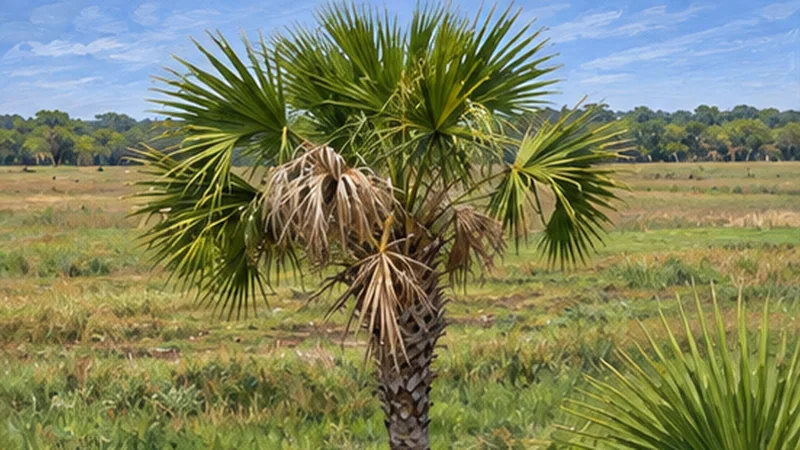
Sabal Rosei
Sabal Rosei is native to the Pacific coast of Mexico, from Sinaloa to Jalisco but mostly concentrated in the state of Nayarit. The key difference between this one and the other Sabal palms is the shape and arrangement of the leaves. Sabal Rosei tends to have visible gaps between the leaves, and they are a brighter green color. Sabal Yapa has droopy, hanging leaves that almost look shredded at the tips. Sabal Mexicana has large, stiff, pointy leaves and densely packed.
Source · A Learnable Plant World by Zen
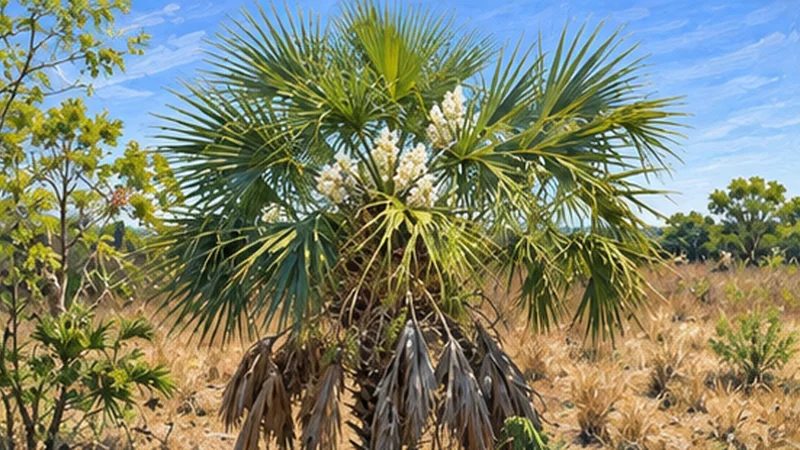
Sabal Yapa
This palm grows pretty much exclusively in the Yucatán peninsula. The key difference between this one and the other Sabal palms is the shape and arrangement of the leaves. Sabal Yapa has droopy, hanging leaves that almost look shredded at the tips. Sabal Mexicana has large, stiff, pointy leaves and densely packed. Sabal Rosei tends to have visible gaps between the leaves, and they are a brighter green color.
Source · A Learnable Plant World by Zen
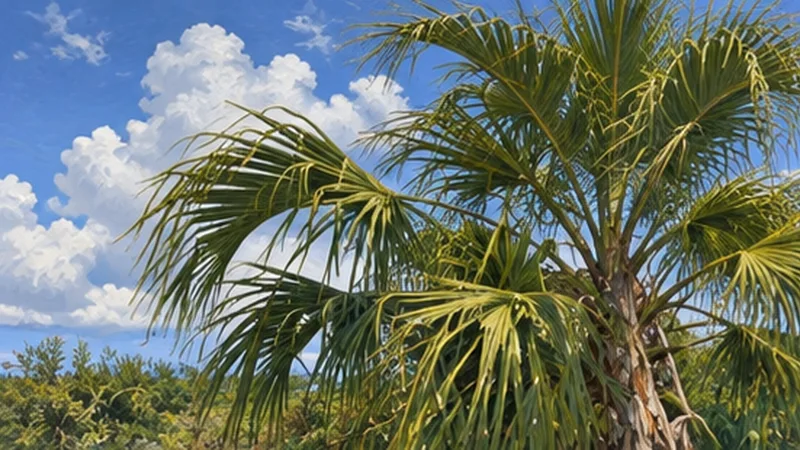
Saguaro
The Saguaro is endemic to the Sonoran Desert and is found primarily in western Sonora in Mexico, and in western Arizona in the US. Elevation is a limiting factor to its environment, as the saguaro is sensitive to extended frost or cold temperatures.
Source · A Learnable Plant World by Zen
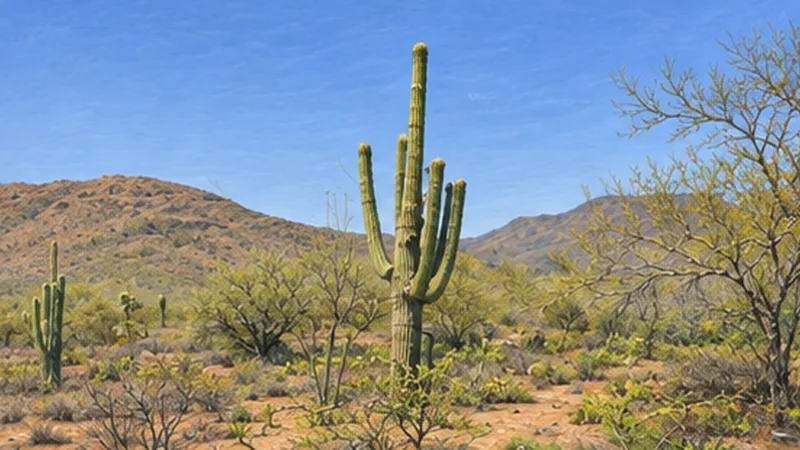
Stenocereus fricii
A rare and tall cactus, the thin and twirling branches of S. fricii are unique to Michoacan, especially on the 37D, where it is abundantly spammed.
Source · Mexico Deconstructed by Addlama
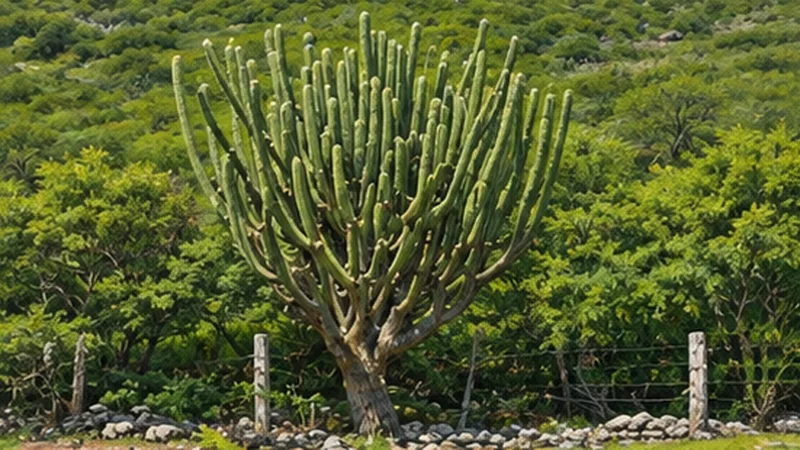
Tlaxcala Bois
These clumps of grass in almost a teardrop shape are common in the region around Tlaxcala.
Source · PlonkIt
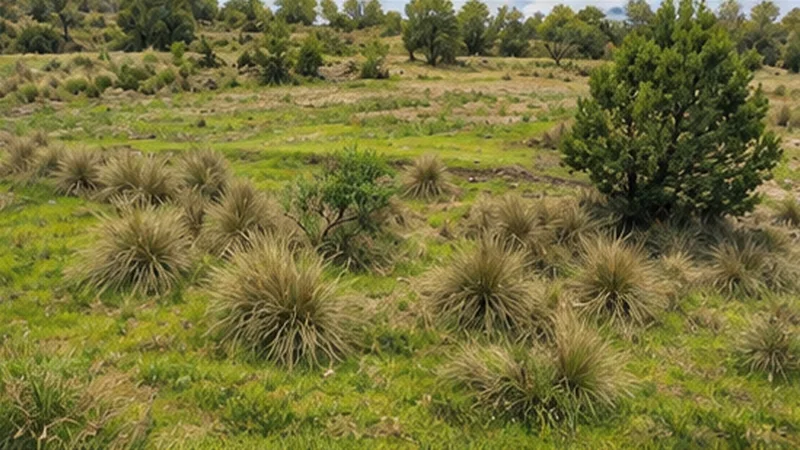
Tree Cholla
The tree cholla is a cactus, and its skeletal, discoloured arms spurting in every direction make it recognisable. Mostly found in San Luis Potosi, Queretaro and Hidalgo, often in Coahuila and Durango and rarely in Zacatecas.
Source · Mexico Deconstructed by Addlama
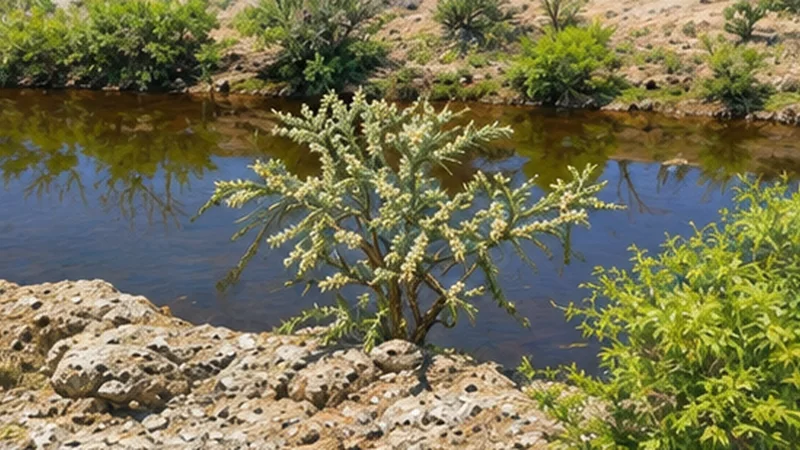
Tree Cholla Group
If it is present in groups, Tree Cholla is usually a good indication of San Luis Potosi.
Source · Mexico Deconstructed by Addlama
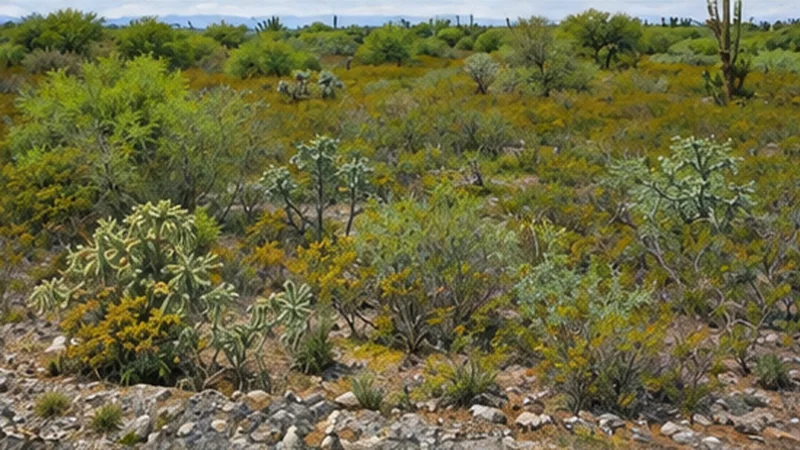
Tree Yucca
It is native to central mexico, most commonly found in Zacatecas and San Luis Potosí although it can be seen anywhere from Nuevo León down to Puebla, in dry regions.
Source · A Learnable Plant World by Zen
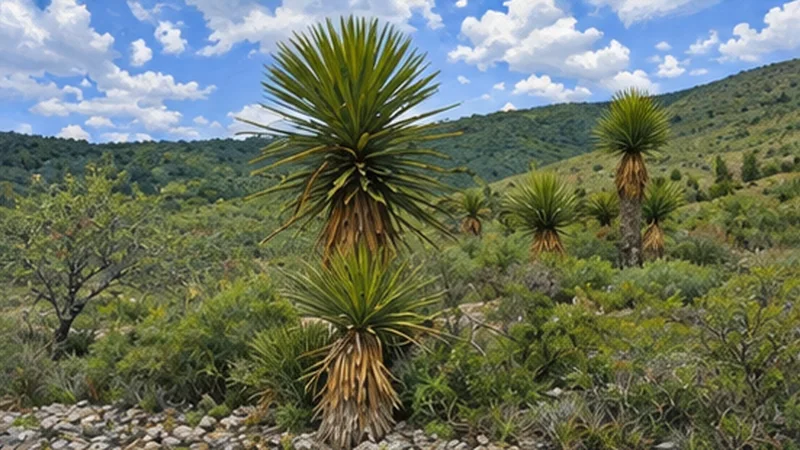
Umbrella Palm
The Attalea rostrata is a huge palm recognizable from its upright leaves, almost resembling an umbrella. It is mostly exclusive to Veracruz and Tabasco, and can be rarely found in Chiapas.
Source · PlonkIt
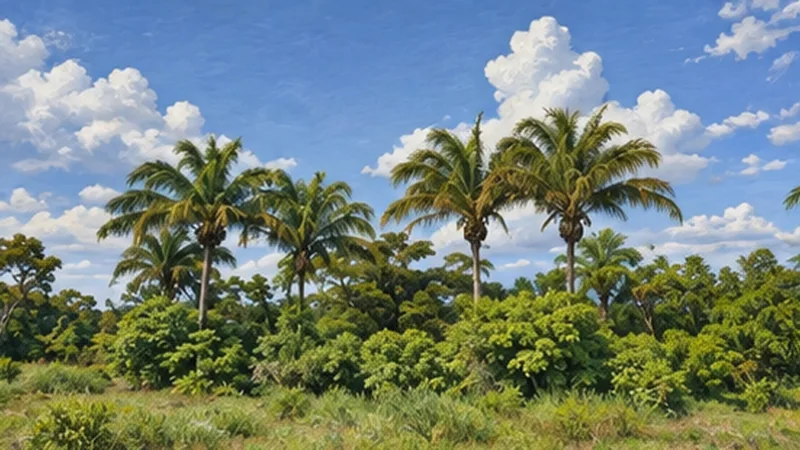
Unknown Cactus
Oaxaca is very diverse in Cacti, so if you see a strange cactus, or one that isn't explained in this map, you can consider going Oaxaca.
Source · Mexico Deconstructed by Addlama
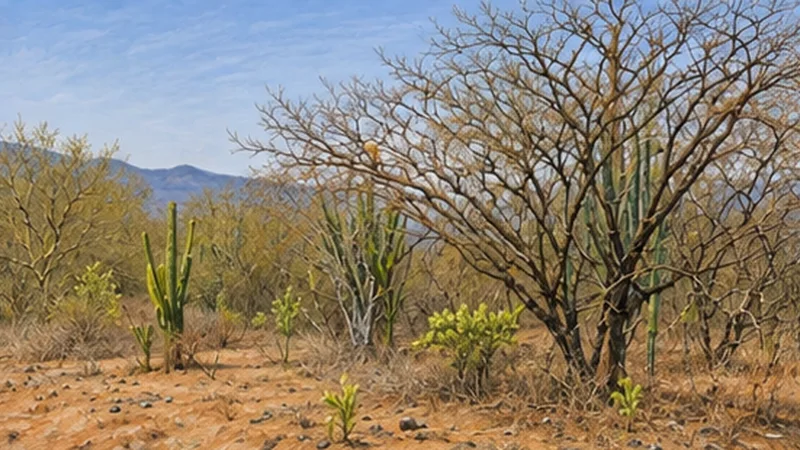
Norway
Bracken
This species of fern (Pteridium aquilinum, also known as bracken) which typically has a fairly tall stem and many wide leafs branching out, is mostly found in the south of Norway. Beware that other species of ferns can be found further north.
Source · PlonkIt
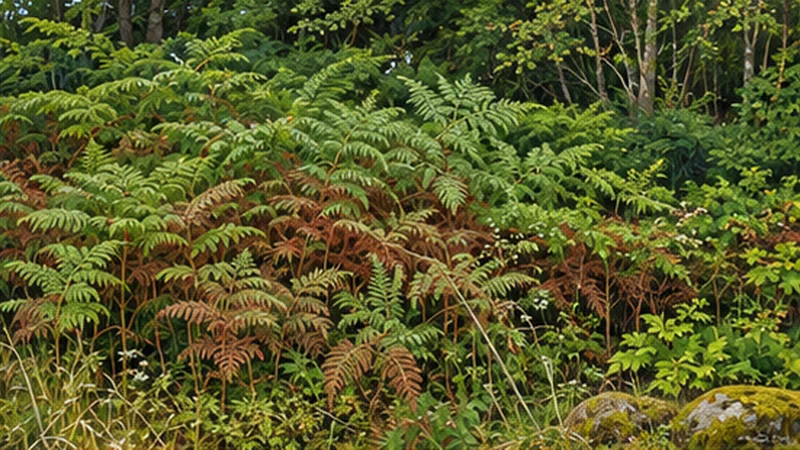
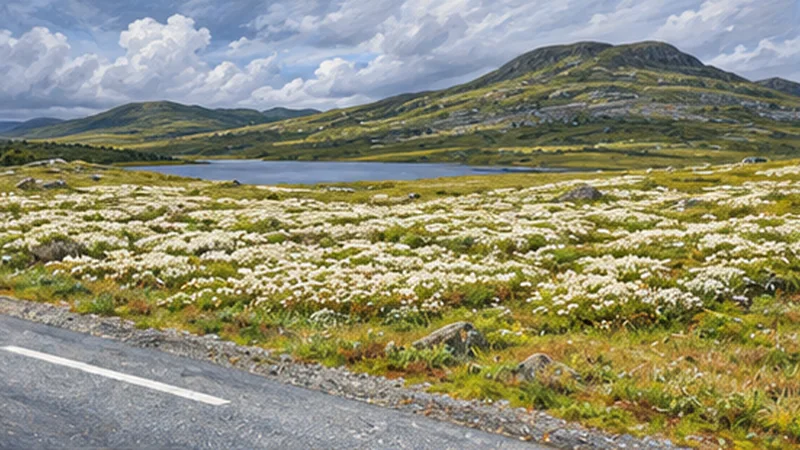
Bright Moss
Brightly colored moss is common to find in the area between Lillehammer and Oppdal
Source · PlonkIt
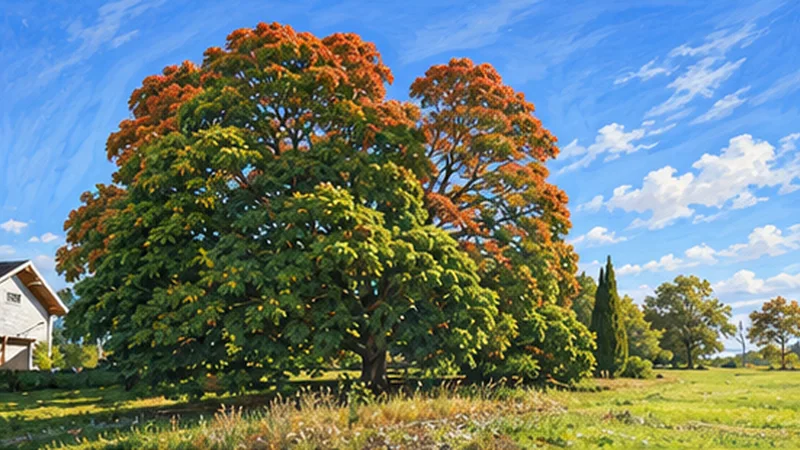
Maple
Maples are mainly found in the south, particularly by the farmlands around Oslo.
Source · PlonkIt
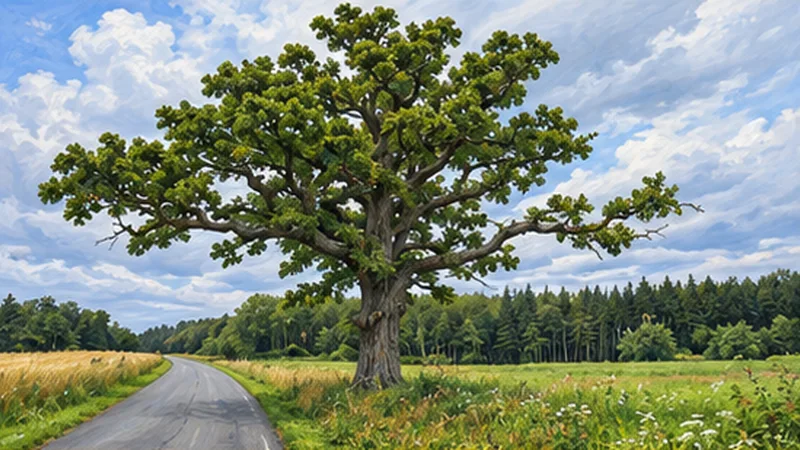
Oaks
Oaks are mainly found in the far south of Norway.
Source · PlonkIt
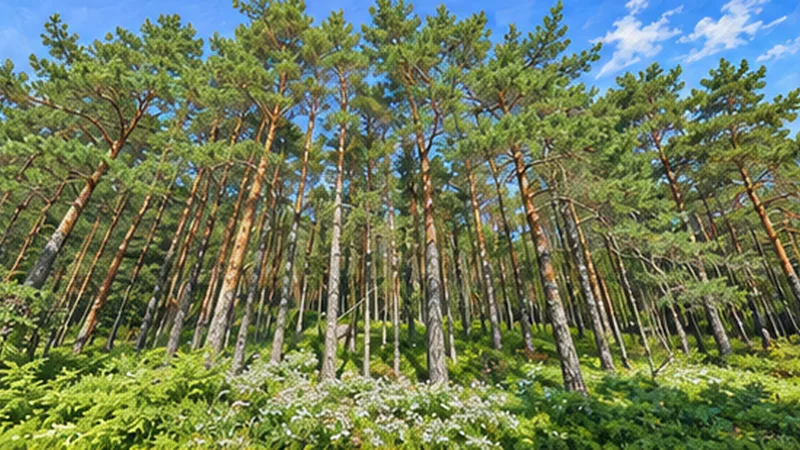
Pine
Pines are most common in coastal and far inland areas in the southern half of the country.
Source · PlonkIt
Spruce
Spruces are mainly found in the southern half of the country, particularly in the southeast and around Trondheim.
Source · PlonkIt
Peru
Palm Trees
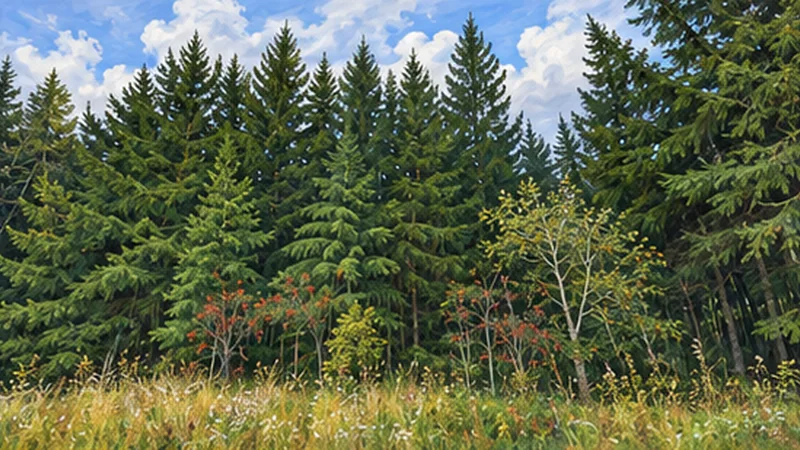
Coconut palms (and other species of tall palms) can sometimes be seen in coastal areas of Peru, mainly north of Lima. They are mainly found in the agricultural areas which are typically found around the major coastal cities.
Source · PlonkIt
Pine Plantations
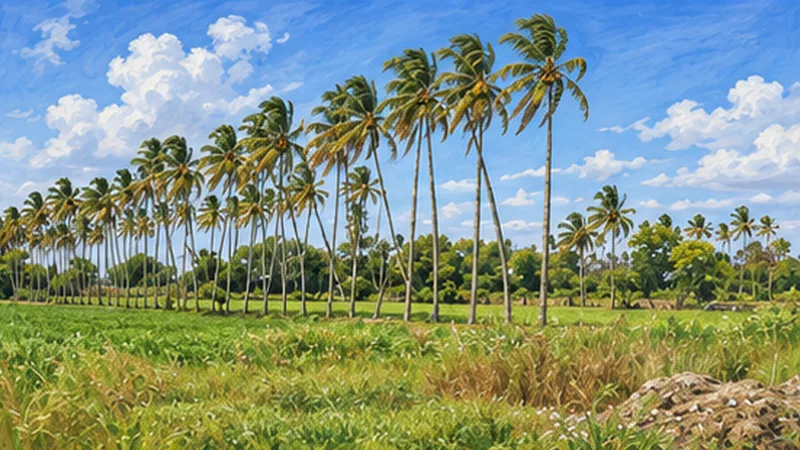
Pine plantations are typically found in higher elevation areas of the country, away from the coastal deserts and Amazonian Regions. The most common types of pine trees planted are Pinus radiata and Pinus patula.
Source · PlonkIt
Philippines
Moluccan Albizia
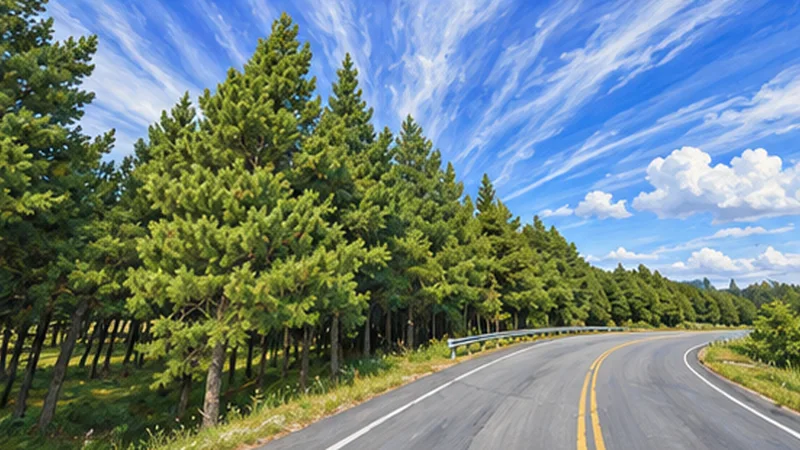
Moluccan albizia are trees with light coloured trunks and pinnate leaves near the top of the tree. They are mainly found on Mindanao and are especially common in the eastern and central regions of the island.
Source · PlonkIt
South Africa
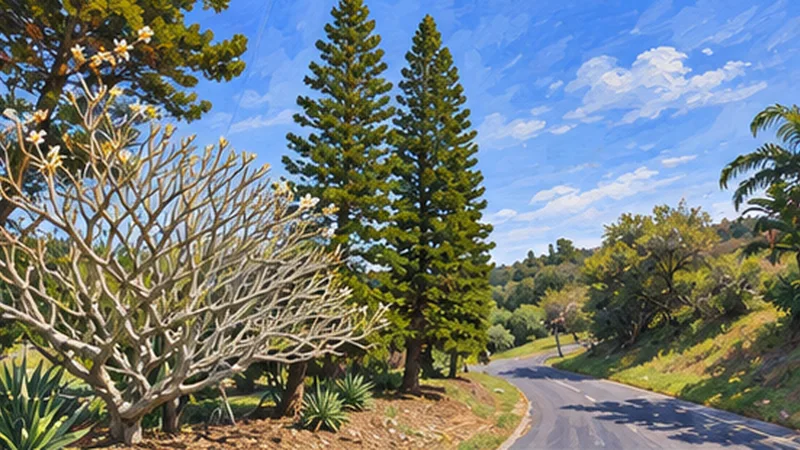
Cook Pine
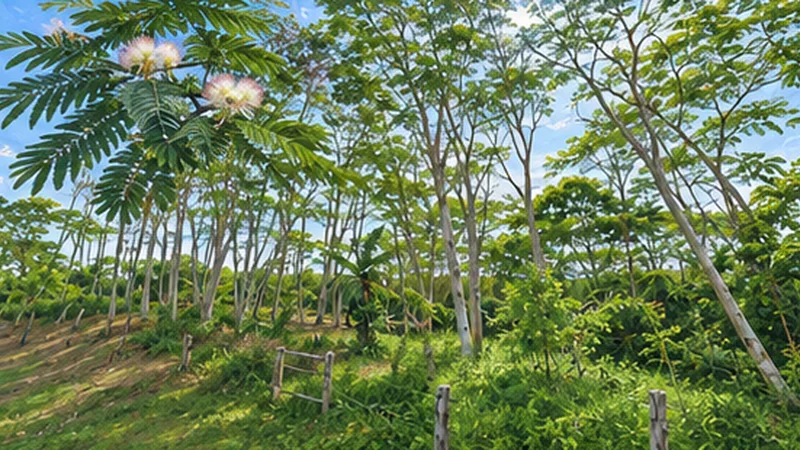
Uniquely tall Cook pine trees are found mostly between the cities of East London and Durban along the southeastern coast. NOTE: These are planted and not native, so they can be found anywhere along the coast.
Source · PlonkIt
Türkiye
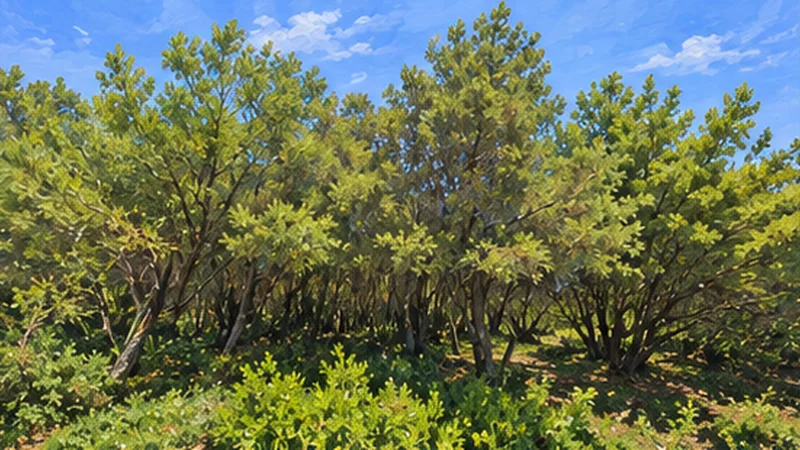
Turkish Pine
Turkish pines (pinus brutia) are mainly found near the Mediterranean coast. NOTE: Turkish pines can appear very similar to Aleppo pines, which are uncommon in Turkey, but are often found in other Mediterranean countries.
Source · PlonkIt
United States
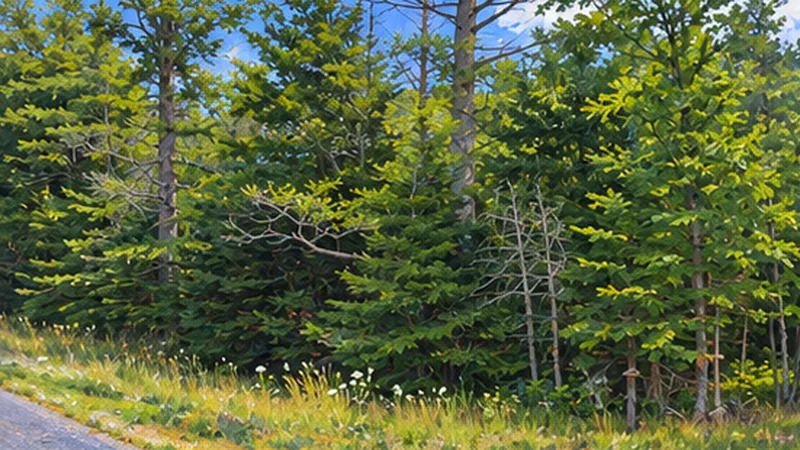
Balsam Fir
The Balsam Fir is a very symmetric tree. It has pretty dark needles and often grows close to the ground. Within the US, you will find it in the Northeast, starting in Northern New York. You can also see it near the Great Lakes, on Latitudes similar to Vermont/Maine.
Source · A Unique USA by mistystar
Buckeye
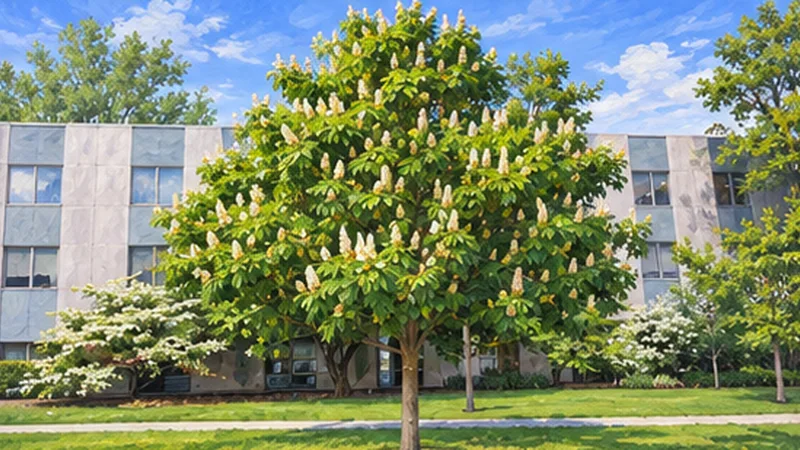
You may already know Ohio’s nickname, the Buckeye State, but despite the name, buckeyes grow in other states too. They’re most commonly seen in the east from Ohio down through West Virginia, Virginia, and Kentucky to Tennessee and North Carolina. Some can be found in Missouri too. California is the only state in the west where you can see buckeyes.
Source · A Unique USA by mistystar
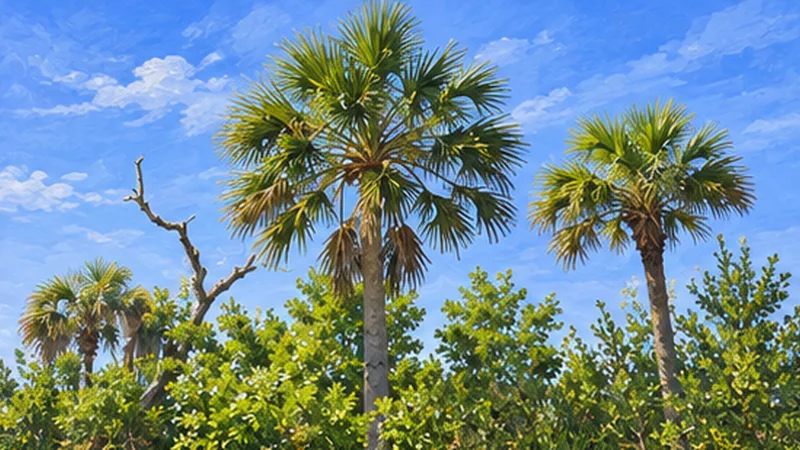
Cabbage Palmetto
Sabal palmetto is native to the subtropical coastal regions of the American states of Florida, Georgia, South Carolina, southeastern North Carolina, and extreme southern Texas.
Source · A Learnable Plant World - Palms by Zen
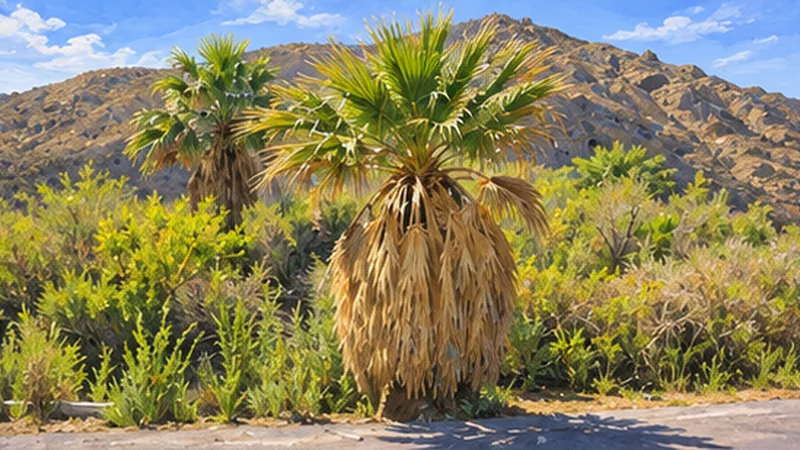
California Fan Palm
Washingtonia filifera is the only palm native to the Western United States and one of the country's largest native palms.
Source · A Learnable Plant World - Palms by Zen
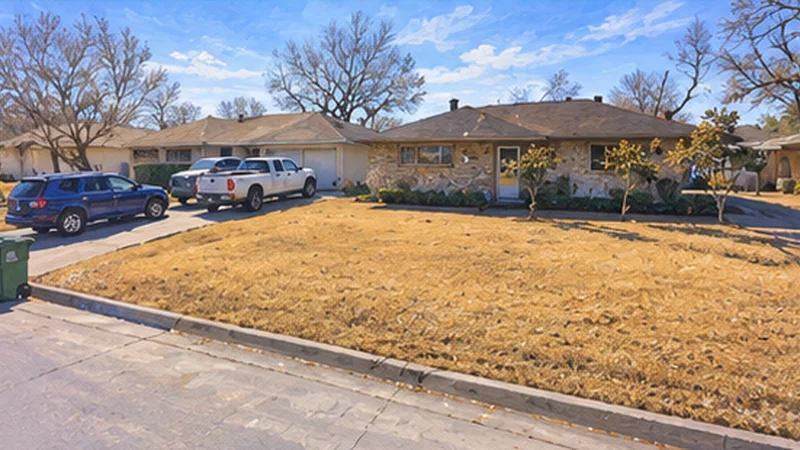
Dormant Grass
Grass that is used in lawns in the southern US (colloquially known as Bermuda and St. Augustine grasses) go dormant in the winter months. This causes the lawns to turn beige or light brown in winter; whereas grasses used in more northern areas of the US stay much greener in winter.
Source · PlonkIt
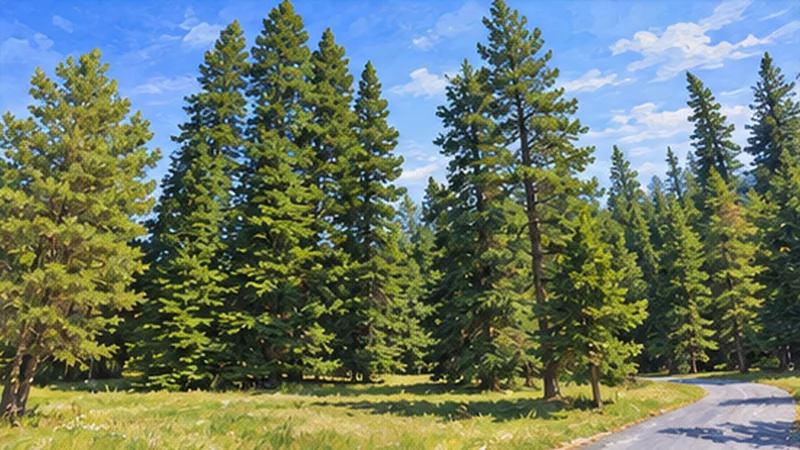
Douglas Fir
Extremely tall conifer trees (Douglas firs) with a dark brown bark, and dark green leaves, can most commonly be seen in Cascadia. Notably, they can also be found in northern California, Idaho and as far east as Montana. Beware that they are also commonly found in British Columbia.
Source · PlonkIt
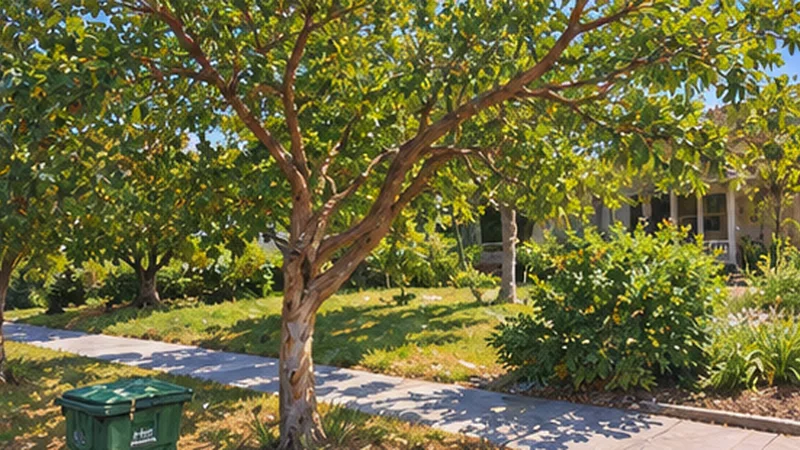
Gumbo Limbo Tree
The Gumbo Limbo tree can be recognized by its red bark and by its irregular, sometimes twisting trunks. Its leaves are green and oval shaved. You will only find it in Coastal Florida, south of Orlando and south of Tampa.
Source · self-researched
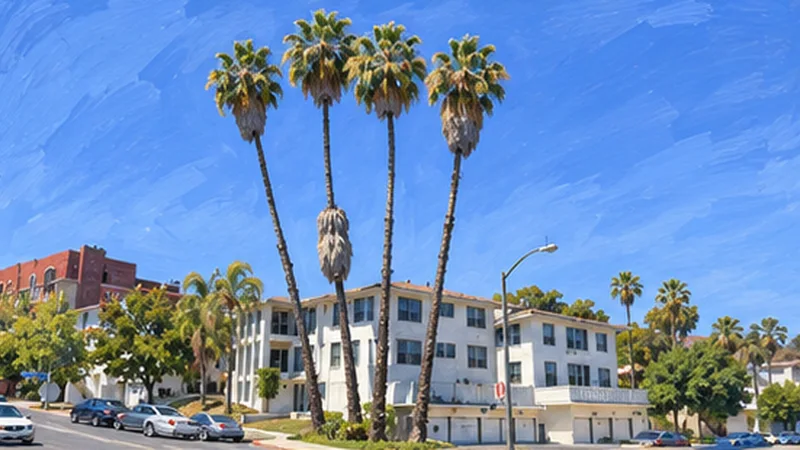
Palms
Palm trees are common in coastal areas of the Southeastern states, as well as the Desert Southwest region. Shown here is the Mexican Fan Palm, which is most common in California and along the Gulf Coast, but other palm tree types have a similar range.
Source · PlonkIt
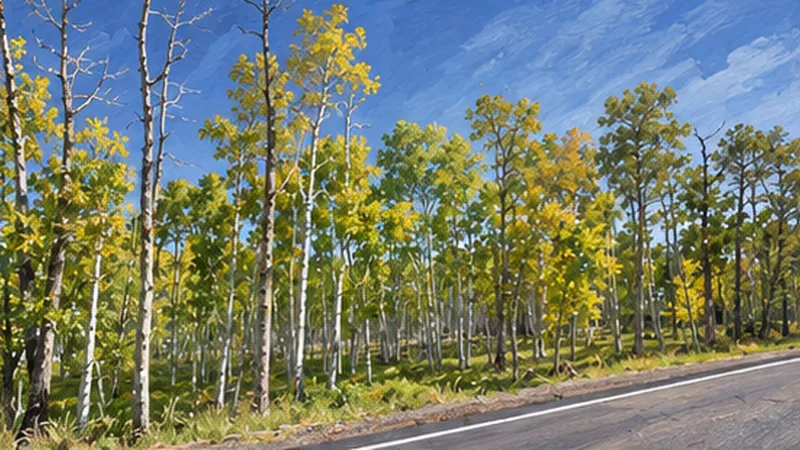
Quaking Aspen
Aspen trees are thin trees with white barks that often grow in groups. In the contiguous states, you can find it in North-East USA, all states that border the great lakes (+NE-Iowa), in Northern Idaho and in random areas in the West.
Source · A Unique USA by mistystar
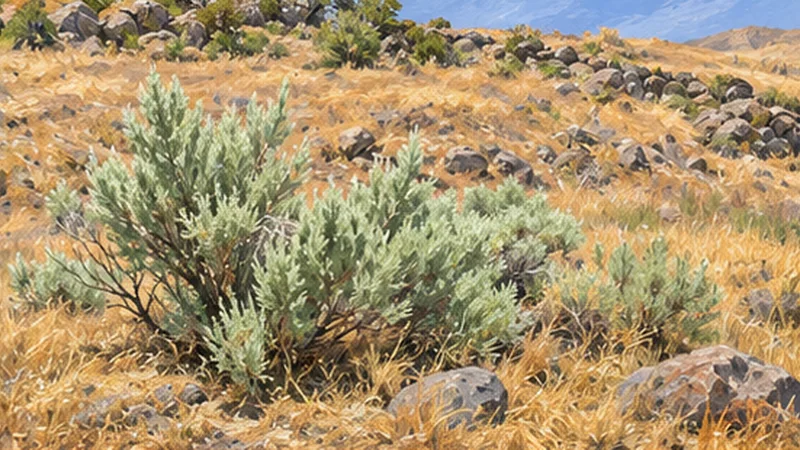
Sagebrush
Great Basin Sagebrush (Artemisia tridentata) is a short, shrubby blue-green bush that is common in the interior western United States.It is most common in arid areas.
Source · PlonkIt
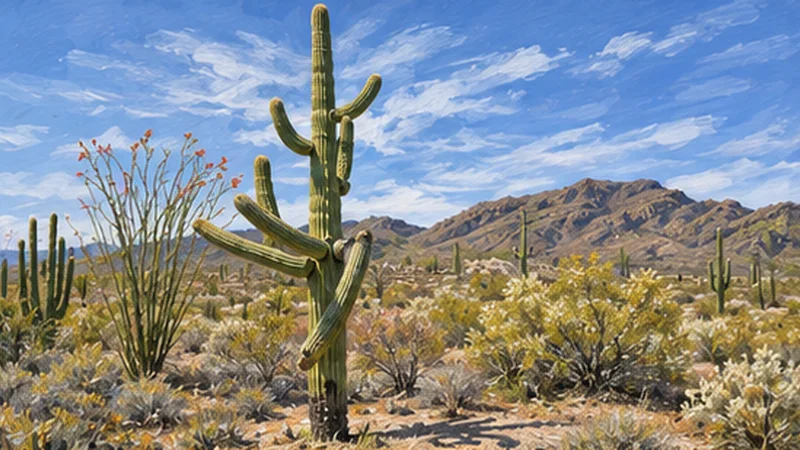
Saguaro
Saguaro cacti are most commonly shaped like tall, straight tubes with several branches extending from the main tube. They are most commonly found in southern Arizona, on the Sonoran border.
Source · PlonkIt
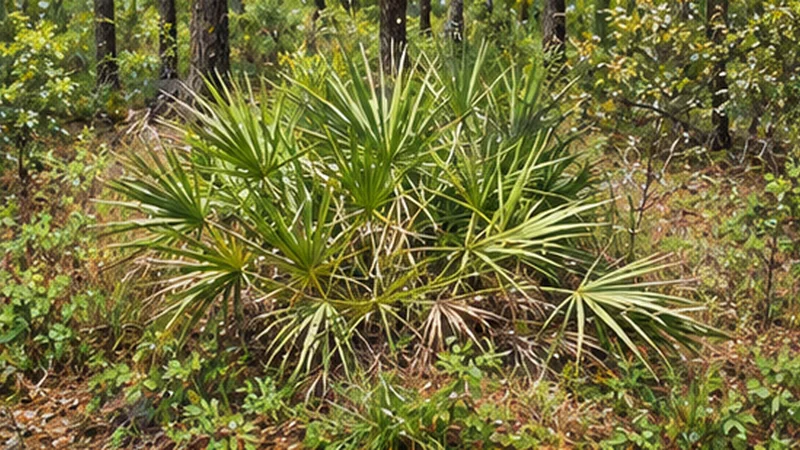
Saw Palmetto
Saw Palmetto grows in clumps or dense thickets in sandy coastal areas, and as undergrowth in pine woods or hardwood hammocks. You can find it in coastal areas of Florida and Georgia.
Source · A Learnable Plant World - Palms by Zen
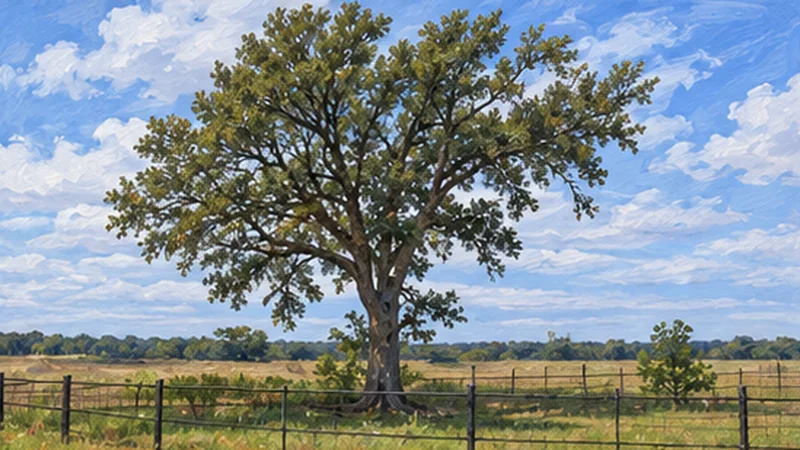
Southern Live Oak
This tree can commonly be found in Florida and along the southern coast as shown by the range map. A southern live oak will often have Spanish moss hanging from the branches, giving the tree a pendulous appearance.
Source · A Unique USA by mistystar
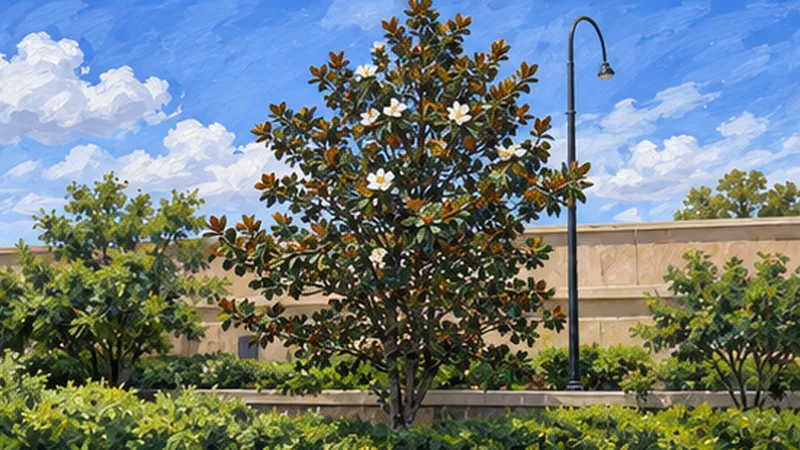
Southern Magnolia
This tree can only be found in the South. However, southern magnolias don’t grow in southern Florida. The range stretches from Orlando and Tampa to North Carolina and Texas.
Source · A Unique USA by mistystar
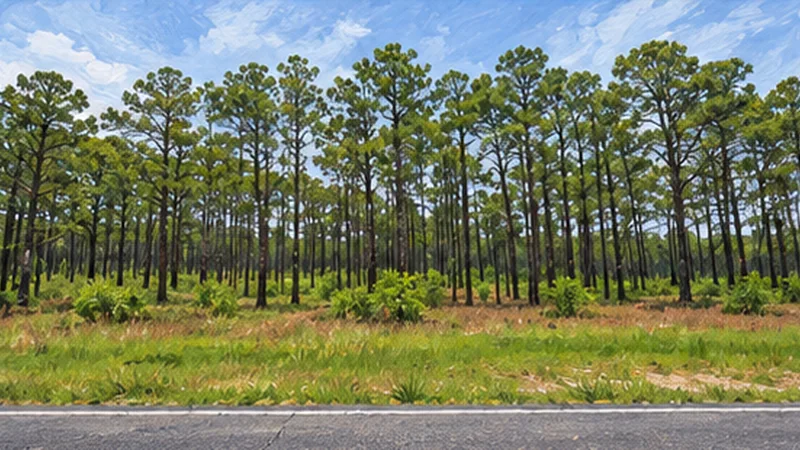
Southern Pines
The loblolly pine (Pinus taeda), and longleaf pine (Pinus palustris), commonly referred to as southern pines in the community, are found throughout the southeastern US. They are a great way to recognize this region, as they are abundant, recognizable and mostly limited to this part of the country. They tend to be tall, with fluffy-looking clusters of pine needles.
Source · PlonkIt
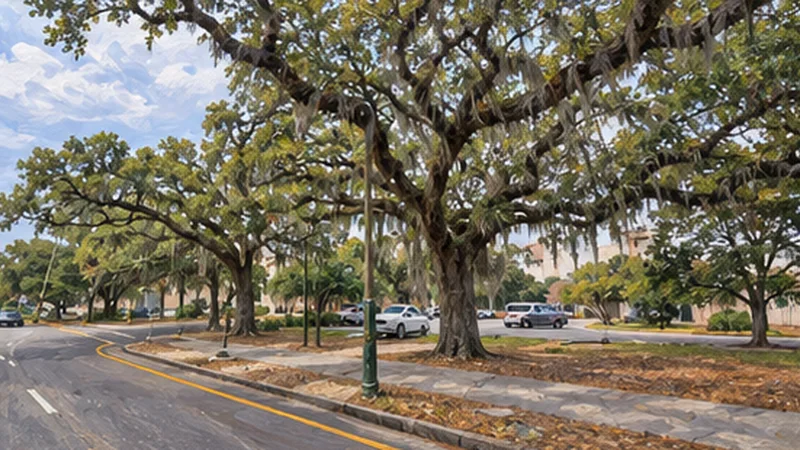
Spanish Moss
Spanish moss, appearing as greyish white drapes, can sometimes be seen on trees in the deep south.
Source · PlonkIt
Oman
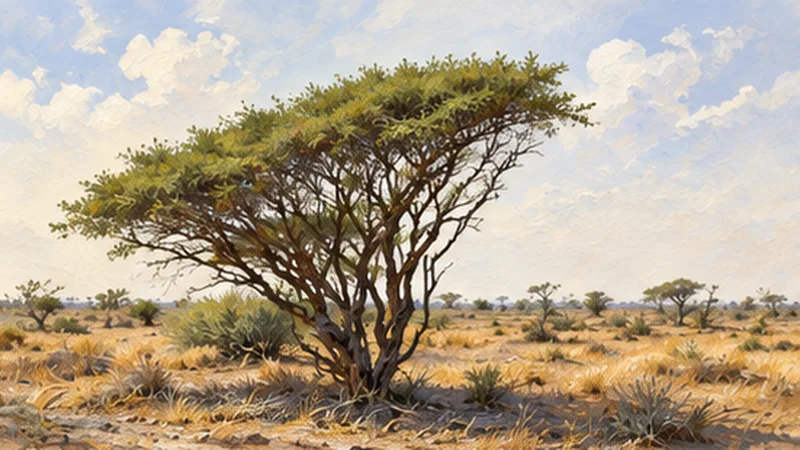
Acacia
Acacia trees, recognisable by their relatively short height and umbrella-like flat crowns, are most abundant and common in northern Oman, but can also be found close to the rest of the coast.
Source · PlonkIt
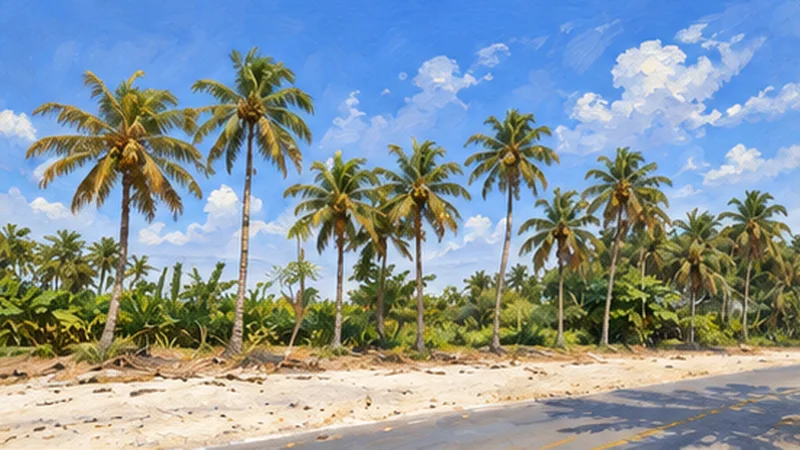
Coconut Palm
Around Salalah, look for groups of palms with long, arching fronds. Compare their crowns with stands of date palms.
Source · PlonkIt
Date Palm
On Oman’s northern coast, look for dense groves and crowns of feather-like leaves. Check for the same outline on several trees.
Source · PlonkIt