Erste Tipps für GeoGuessr
Sechs illustrierte Tipps, um Orte in GeoGuessr besser zu erkennen.
1. Get familiar with Street View coverage
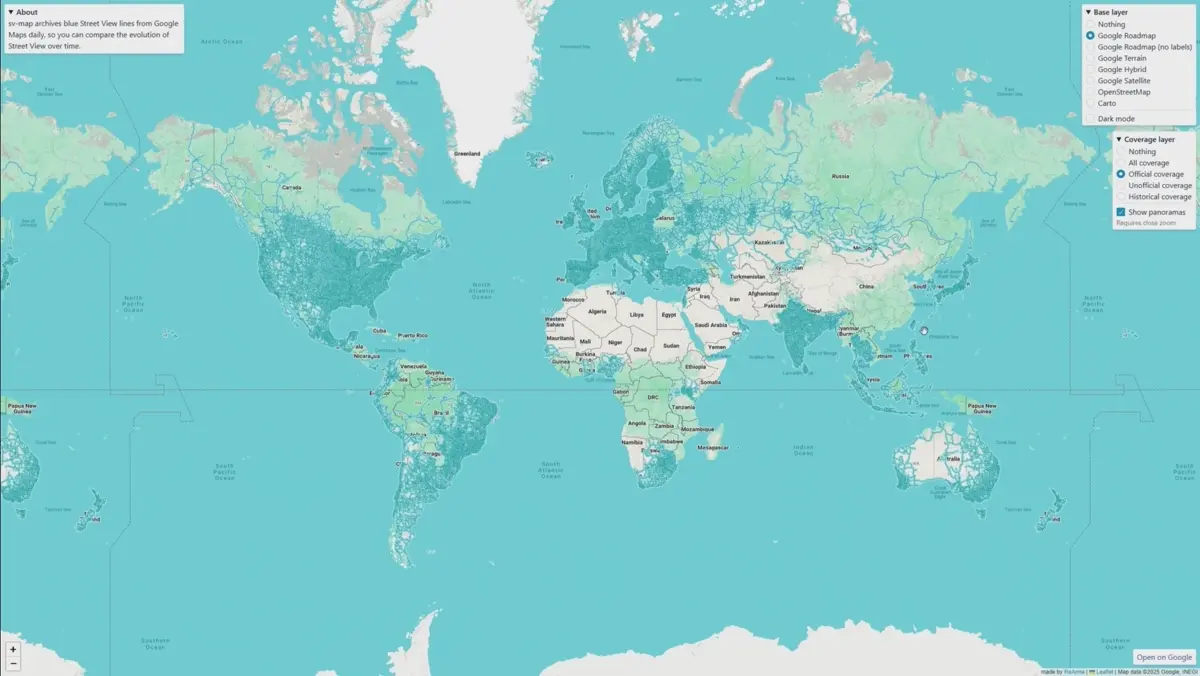
In a standard GeoGuessr round that uses official Google Street View imagery, the starting point is selected from places that have that coverage. If a country has no official coverage at all, you can rule it out immediately: the round cannot start there in that mode. If coverage exists only in certain areas, look for your location along the roads that were actually photographed.
The map shows official coverage as it appeared when the image was captured. The blue traces show photographed routes. Zoom in to distinguish a network of roads from a few isolated stretches. Google Maps also displays user-uploaded panoramas: a few isolated photos do not amount to an official road network. Coverage changes over time, and custom maps may use different criteria.
2. Recognise the writing system
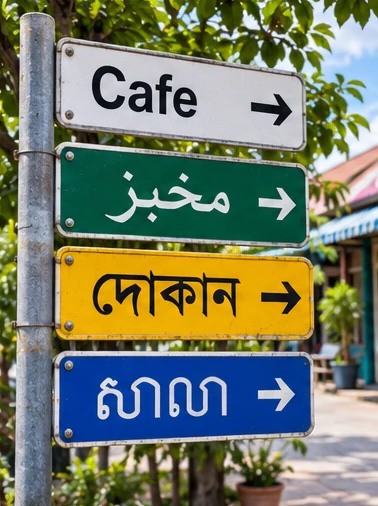
Zoom in on a road sign, shopfront or place name and study the letter shapes before trying to read the words. The Latin alphabet is used in many parts of the world, so it only narrows the search a little on its own. In Arabic, many letters join together, and the script reads from right to left. In Bengali, look for a horizontal line often shared by several letters. In Khmer, look for curved shapes and marks above or below the letters.
Check a second sign: a tourist sign may use a language other than the local one. Then use an independent clue, such as the driving side or a place name on a road sign, to distinguish countries that share the same script.
3. Check which side people drive on
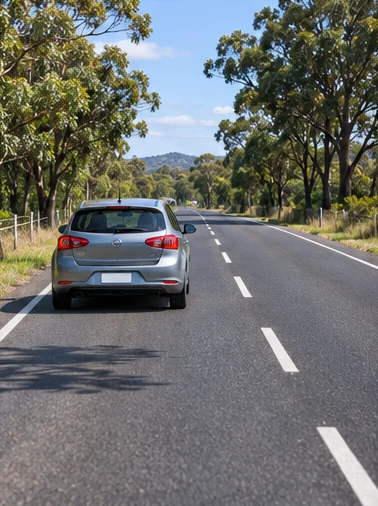
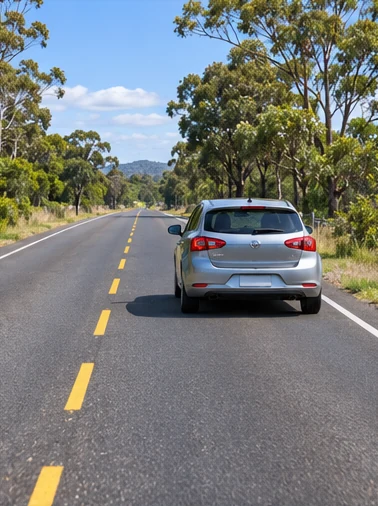
On a two-way road, find a moving vehicle whose rear you can see: it is travelling away from you. Check which side of the centre line it is on. In the two images, the position of the car relative to the centre line shows the difference between left-hand and right-hand traffic.
Check more than one vehicle if possible. A parked car, an overtaking vehicle or a one-way street can mislead you. The United Kingdom, Ireland and Japan drive on the left. France, Belgium, the Netherlands, South Korea and Taiwan drive on the right. This check is useful when two landscapes look similar.
4. Compare roadside delineators
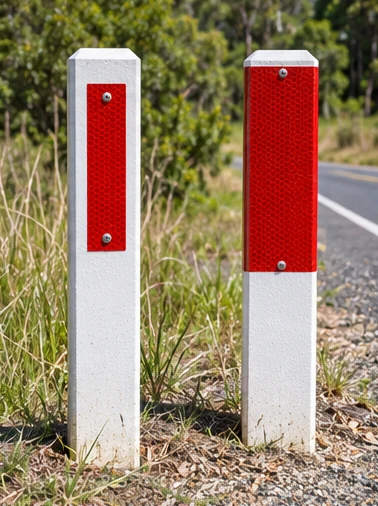
Delineators are reflective posts at the edge of the road. Look at the shape of the top and the body, and check where the reflector ends. In the first pair, the Australian example has a red reflector inset between two white margins. On the New Zealand example, the red reaches both side edges.
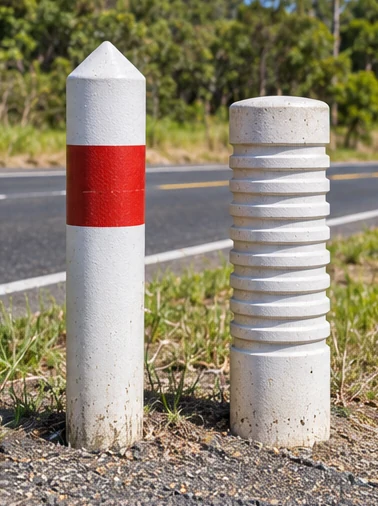
In the second pair, the French example has a cylindrical body, a pointed top and a red band. The Scottish example has a ribbed body and a blunt top. Check several posts along the same road, preferably from the side facing traffic. Colours and shapes can vary, and the back may show a different reflector.
5. Look at the body of utility poles
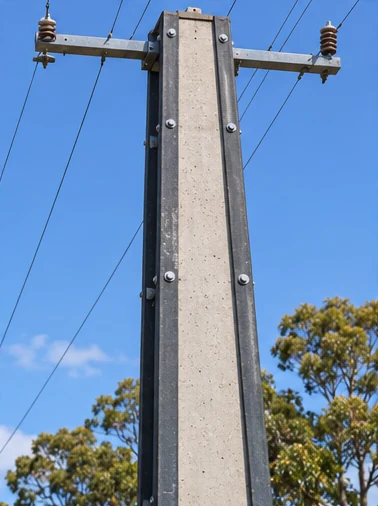
Look at the body of the pole, especially where it stands out against the sky. Check whether it is wood, metal or concrete, and look for holes, joints or grooves. The Stobie pole, typical of South Australia, has two outer steel sections around a concrete core. Other metal poles with holes and a rusty surface can be found in the Northern Territory.
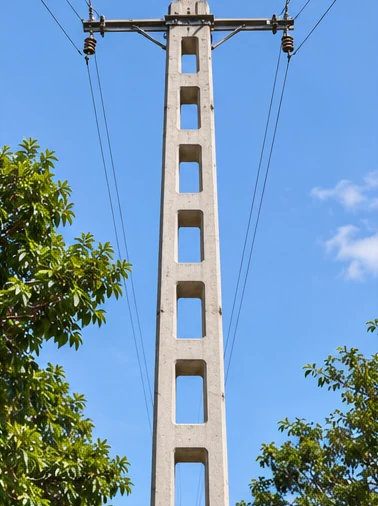
In the second example, the Brazilian concrete pole has a vertical row of rectangular openings. The concrete between the openings looks like the rungs of a ladder. Look for the same design on several poles and pair it with another clue, such as road signs or the local script.
6. Look at the tops of utility poles
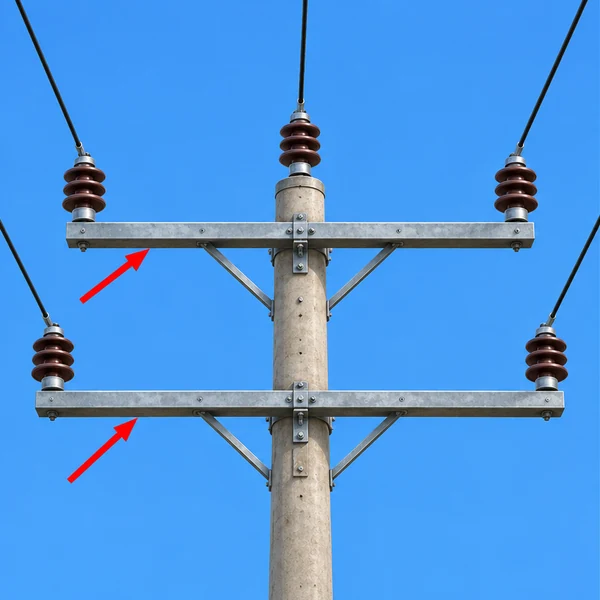
Look up to where the cables rest on the insulators. Count the crossarms, which are the bars supporting the insulators, and check how they are arranged. In the Sabah example from Malaysia, the arrows point to two parallel bars, one above the other.
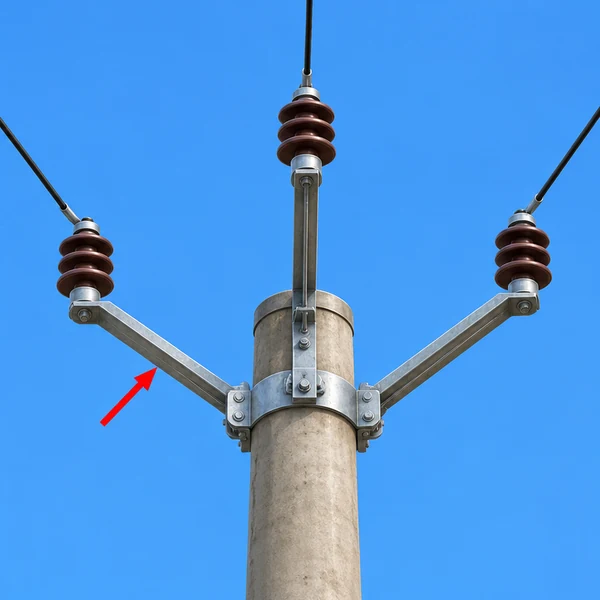
In the second example, the arrow points to an angled bracket. In Japan, the shape and angle of some brackets can help distinguish different areas. Check several poles from different angles before picking a region: perspective can make a horizontal bar look slanted. Look for a clue at ground level that supports your guess too.