Recognising sugarcane
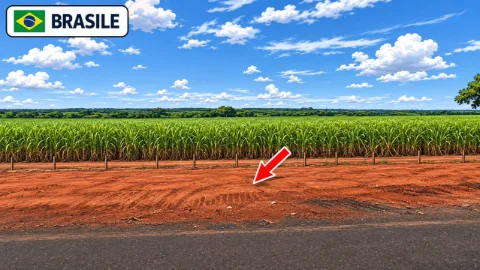
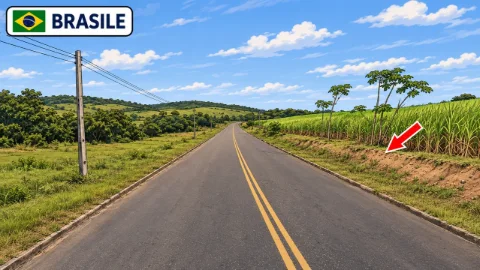
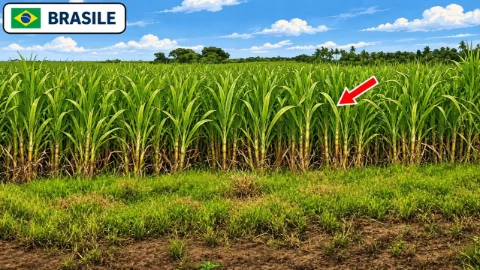
Look for a tall, dense and relatively uniform crop forming an extensive field. The author distinguishes it from wild grass using its re...
Explore this clue
GeoPointer / Atlas
Brazil: study 238 clues covering Road markings, Delineators, Chevrons and bend panels. Illustrated examples, exceptions and linked study cards on GeoPointer.
Look for a tall, dense and relatively uniform crop forming an extensive field. The author distinguishes it from wild grass using its re...
Explore this clueThe first Brazilian example combines extensive sugarcane with exposed red soil. The video suggests São Paulo state, with a comparison a...
Explore this clueThe second sugarcane example is associated with Sergipe and Alagoas. Compared with São Paulo, the author suggests looking for lighter o...
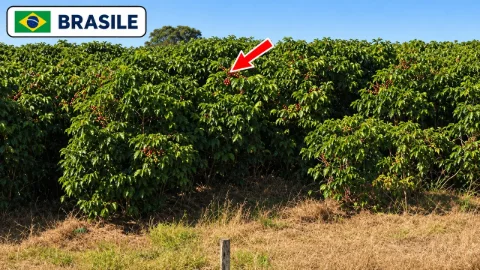
Explore this clueLook for regular rows of coffee shrubs. They also occur in Espírito Santo and northeastern São Paulo.
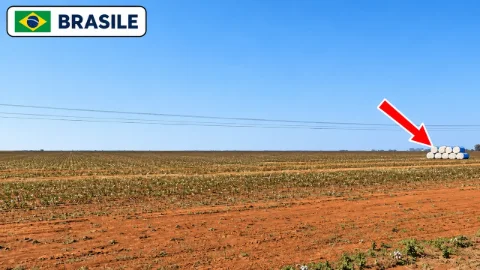
Explore this clueIn the example, wrapped bales are visible at the far end of a harvested field. The source highlights Mato Grosso and western Bahia.
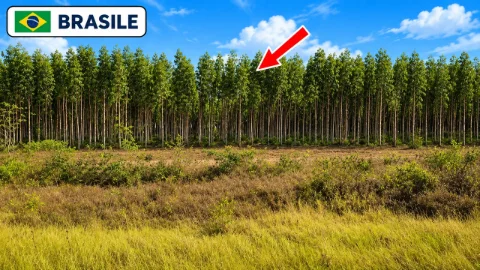
Explore this clueLook for tall straight trunks arranged in rows. Eucalyptus occurs across several states.
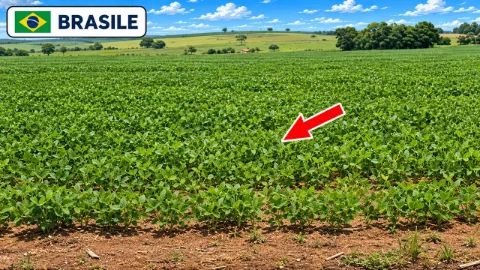
Explore this clueLook for rows of low, leafy plants. Compare the landscape with Mato Grosso, Paraná and Goiás.
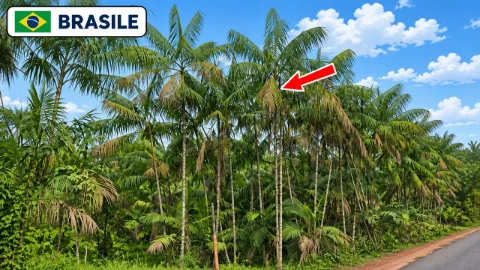
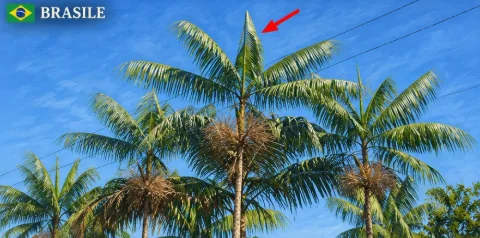
Explore this clueLook for thin trunks and drooping leaflets. The source highlights the Amazon.
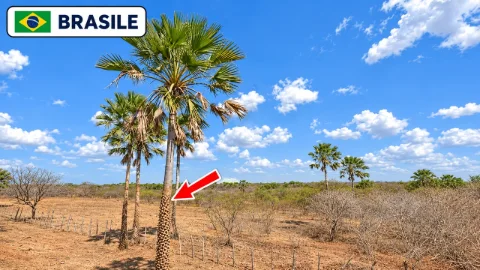
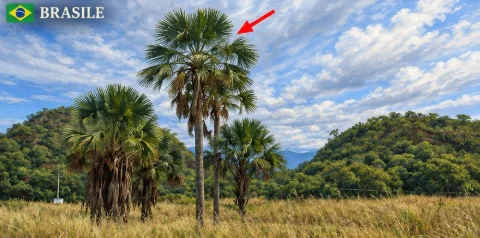
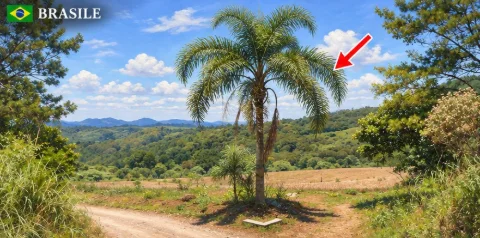
Explore this clueLook for fan-shaped fronds. The source highlights Ceará, Piauí and Rio Grande do Norte.
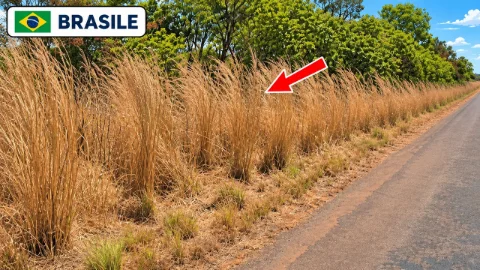
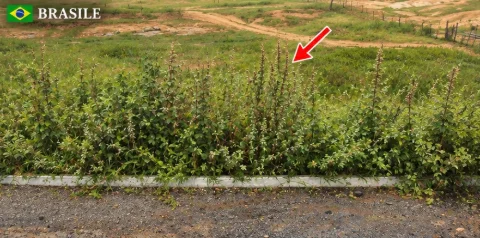
Explore this clueLook for stands of tall grass. The source mentions Tocantins and neighbouring states.
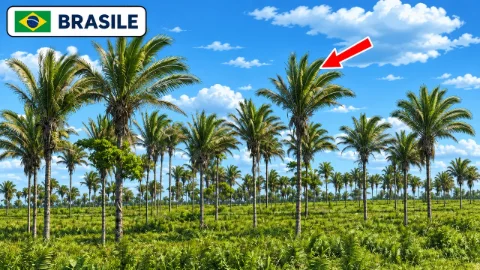
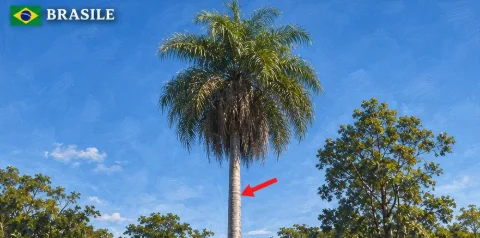
Explore this clueCompare the relatively even trunk and compact crown with Acrocomia aculeata.
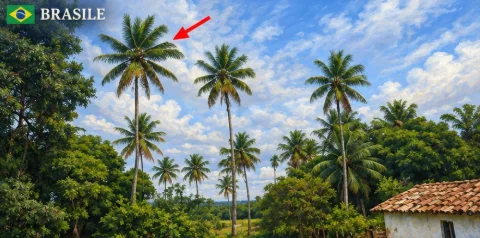
Explore this clueTall palms with thin trunks and long leaves are frequent on the northeastern coast.
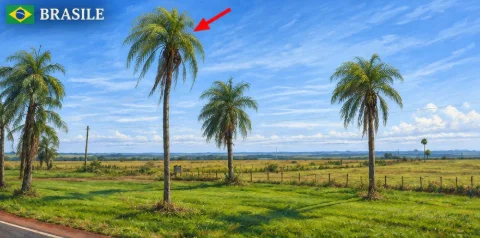
Explore this clueCompare the slender leaves and more widely spaced trees with açaí palms of the northern lowlands.
Explore this clueLook for an irregular crown and pointed central spear leaf. Groups are more informative than a single tree.
Explore this clueLook for rounded fan-shaped leaves. The source shows examples from multiple Amazonian states.
Explore this clueLook for tall upright stems that remain conspicuous when the leaves drop.
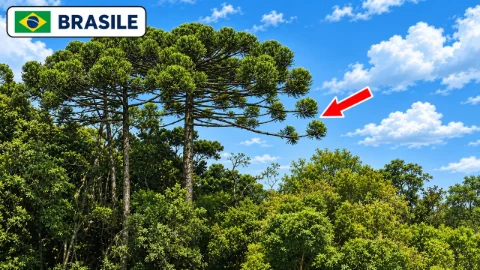
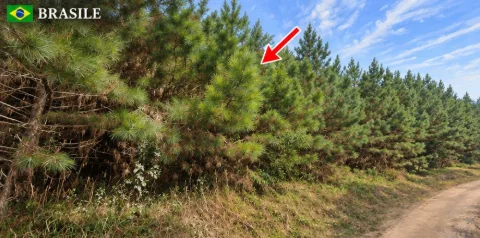
Explore this cluePines are more frequent in the south. The source reports few north of Belo Horizonte.
Explore this clueFronds rise from the crown and then arch downward. The source shows examples along the southeastern coast.
Explore this clue