Urban paving in small blocks
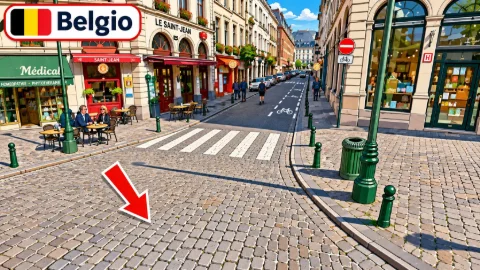
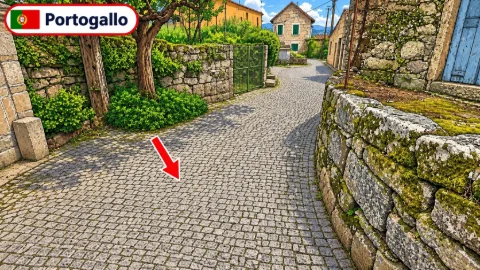
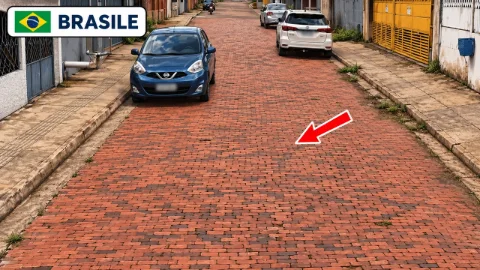
The square and street use small stone blocks, less uniformly red than the Dutch example used for comparison.
Read the explanation and source
GeoPointer / By topic
Available cards: 35. Countries and territories represented: 18.
Road-surface colour and texture also depend on light, moisture and imagery. Study asphalt, paving, joints and embedded reflectors without locating a scene from one shade alone.
These examples show how the catalogue describes the same topic in different places. Inclusion here does not make one country more likely than another.
The square and street use small stone blocks, less uniformly red than the Dutch example used for comparison.
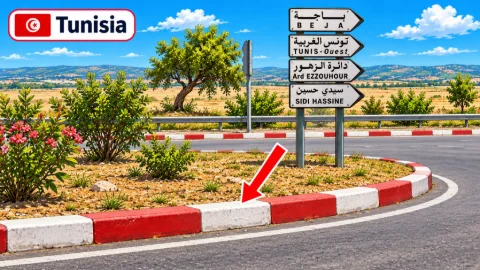
Read the explanation and sourceAlternating red and white paint on pavements and traffic-island kerbs is described as frequent in Tunisia.
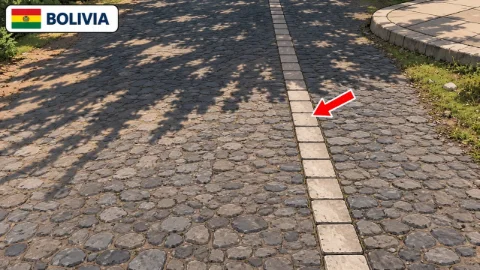
Read the explanation and sourceLook for regular straight rows of stones separating areas of less regularly arranged cobbles. The author proposes this paving pattern as a memorable Bolivian clue.
Read the explanation and sourceThese cautions belong to the referenced cards. Keep each feature tied to its context, particularly when sources describe variants or unclear imagery.
Paving colours and materials vary considerably; this is contextual evidence.
This marking technology is also used elsewhere; combine it with other clues.
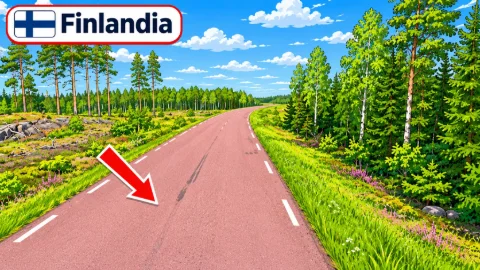
The clue is correctly filed under Finland. Pinkish asphalt is not exclusive to Åland.
The detail is tiny and partly obscured by the Street View cursor; check the original before treating it as a rule.
The images are teaching reconstructions. Individual cards provide sources and context when available. This catalogue does not cover every variation worldwide; references to imagery do not verify current coverage.
Counts describe collected cards, not how frequently features occur on the ground. Open a country guide or select its cards on this topic.
Cards: 1
Country guide Cards on this topicCards: 2
Country guide Cards on this topicCards: 1
Country guide Cards on this topicCards: 16
Country guide Cards on this topicCards: 1
Country guide Cards on this topicCards: 1
Country guide Cards on this topicCards: 1
Country guide Cards on this topicCards: 1
Country guide Cards on this topicCards: 1
Country guide Cards on this topicCards: 1
Country guide Cards on this topicCards: 1
Country guide Cards on this topicCards: 1
Country guide Cards on this topicCards: 2
Country guide Cards on this topicCards: 1
Country guide Cards on this topicCards: 1
Country guide Cards on this topicCards: 1
Country guide Cards on this topicCards: 1
Country guide Cards on this topicCards: 1
Country guide Cards on this topicThe square and street use small stone blocks, less uniformly red than the Dutch example used for comparison.
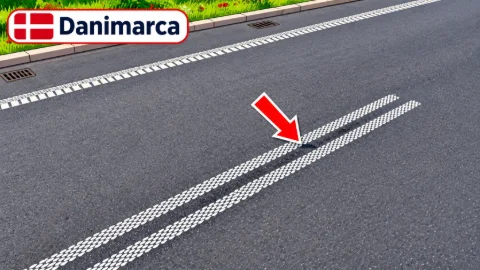
Explore this clueThe enlarged white marking consists of many closely spaced small elements rather than a uniform painted surface.
Explore this clueThe video opens an Åland map and shows pinkish road surfacing. Åland belongs to Finland even though the overlay still says Sweden.
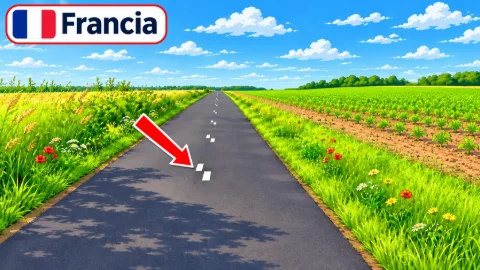
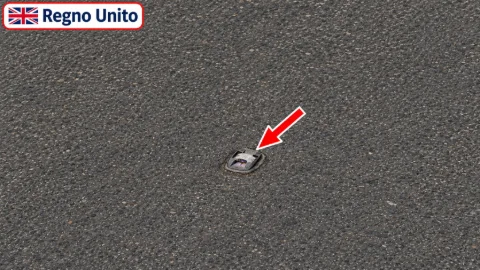
Explore this clueThe author enlarges two small rectangular marks offset from each other on a narrow road.
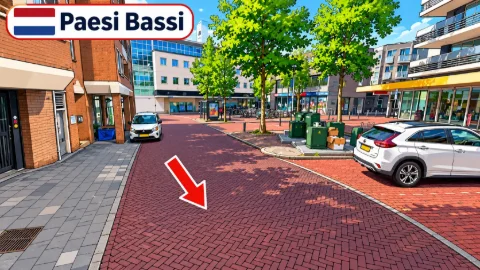
Explore this clueSmall dark red blocks pave the carriageway, with a brighter red strip beside it, described as frequent in Dutch towns.
Explore this clueSmall pale stone blocks create bright road and pavement surfaces contrasting with asphalt.
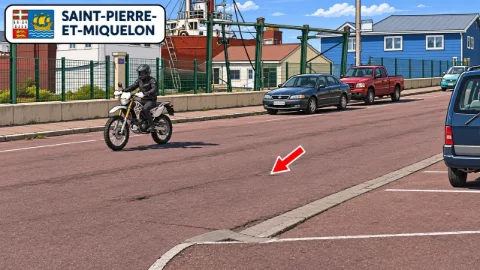
Explore this clueSmall raised reflective studs are visible in the asphalt beside the marking.
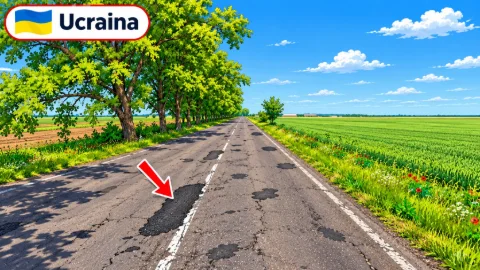
Explore this clueNumerous bitumen patches and cracks are visible, highlighted for Ukraine even without the red Google car.
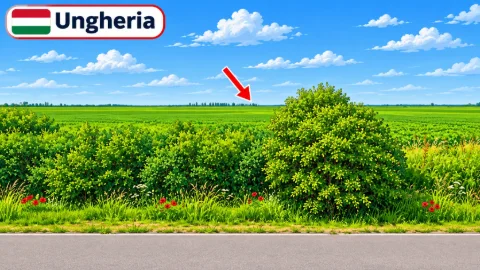
Explore this clueThe guide combines flat fields, light road surfacing and sometimes a broken white centre, with a possible blue Google car.
Explore this clueAlternating red and white paint on pavements and traffic-island kerbs is described as frequent in Tunisia.
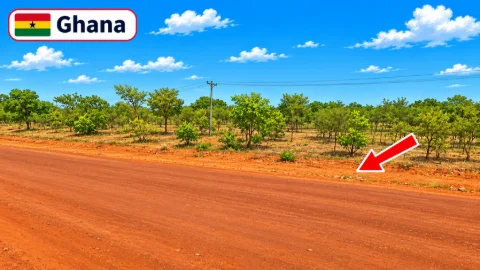
Explore this clueSandy edges and orange or reddish soil recur, with the north described as drier and more sparsely wooded.
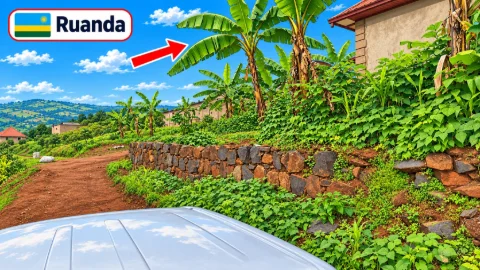
Explore this clueRwandan hills combine dark ground with numerous banana plants and their broad leaves.
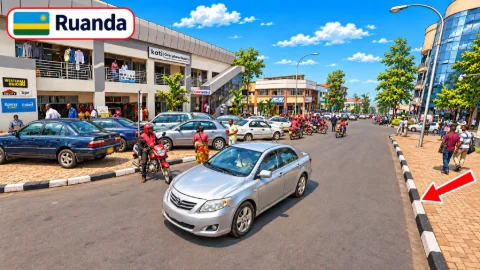
Explore this clueUrban scenes, particularly Kigali, show alternating black and white kerbs beside pavements and islands.
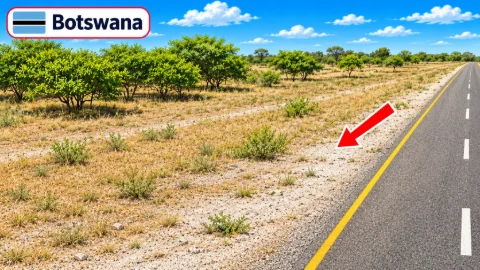
Explore this clueLight roadside soil, sparse shrubs and small trees form the illustrated Botswana setting.
Explore this clueLook for regular straight rows of stones separating areas of less regularly arranged cobbles. The author proposes this paving pattern a...
Explore this clueThe asphalt has a reddish or brownish-pink cast. The author uses it together with elongated plates and the French context to suggest th...
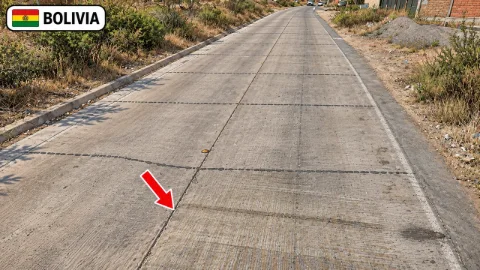
Explore this clueLook for concrete slabs separated by visible joints across the roadway.
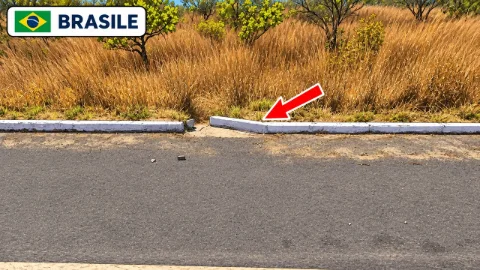
Explore this clueLook at the raised kerb, which is painted white along some roads.
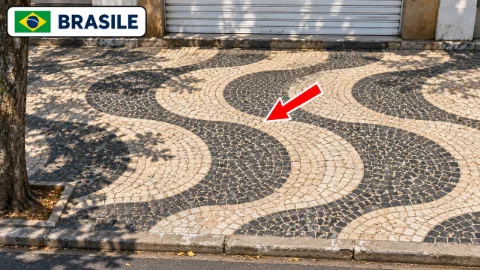
Explore this clueLook for decorative patterns made of black and white stones on pavements.
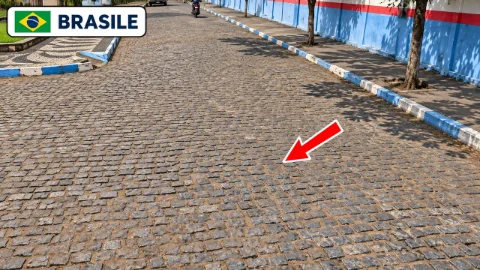
Explore this clueLook for stone-paved roads. The source highlights the northeast and Rio Grande do Sul.
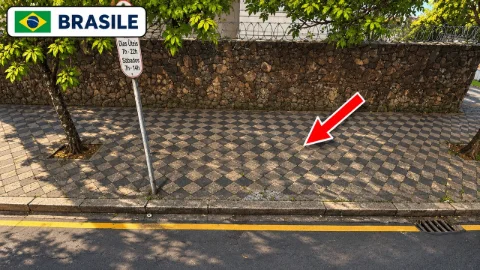
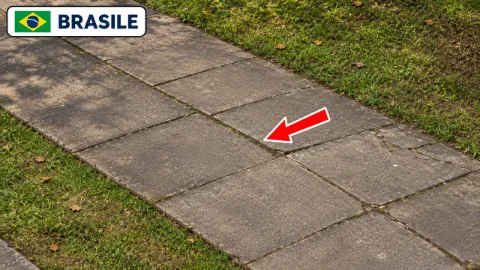
Explore this clueThe example shows rectangular concrete slabs between grass strips. Compare this example with the checkerboard pavement.
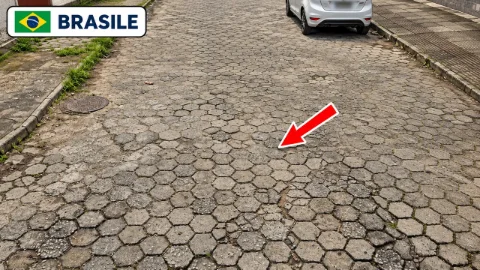
Explore this clueLook for hexagonal concrete blocks, especially in Santa Catarina and Minas Gerais according to the source.
Explore this clueSeek a different kind of support: two details on the same object are not necessarily two independent pieces of evidence.
Study clues by topic