Plates without the usual EU blue band
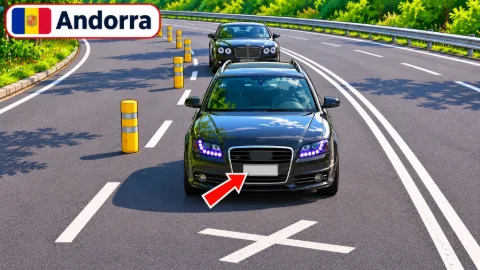
Look for a light-coloured plate without the familiar blue side band seen on many French and Spanish plates.
Read the explanation and source
GeoPointer / By topic
Available cards: 66. Countries and territories represented: 56.
Number plates can support a comparison, but blur and perspective restrict what is visible. Separate colour, size and band placement from unreadable characters; one car does not represent every vehicle in a country.
These examples show how the catalogue describes the same topic in different places. Inclusion here does not make one country more likely than another.
Look for a light-coloured plate without the familiar blue side band seen on many French and Spanish plates.
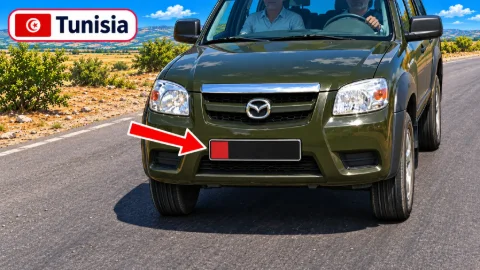
Read the explanation and sourceThe guide shows a dark green escort Mazda with an apparently black plate and a red element on its left.
Read the explanation and sourceLook for yellow vehicle plates and the blue strip described on their left edge.
Read the explanation and sourceThe author’s inserted plate example has blue characters and COSTA RICA at the top. The real SUV plate is blurred: the suggested clue is a blue colour cast where visible.
Read the explanation and sourceVery slim license plate (similar to Swiss front plates) are found in Victoria and New South Wales. While in Victoria, you can usually see two blue blocks of texts, in NSW they appear plain.
Read the explanation and sourceThese cautions belong to the referenced cards. Keep each feature tied to its context, particularly when sources describe variants or unclear imagery.
The plate is blurred and unreadable. A visitor's vehicle can also lack a blue band.
The compressed plate is blurred. This is a spoken observation, not a colour confirmed from the image.
The lettering is blurred; a reddish appearance does not make letters or numbers reliably readable.
This photograph cannot verify every plate category or its current use; treat this as the video's description.
The images are teaching reconstructions. Individual cards provide sources and context when available. This catalogue does not cover every variation worldwide; references to imagery do not verify current coverage.
Counts describe collected cards, not how frequently features occur on the ground. Open a country guide or select its cards on this topic.
Cards: 2
Country guide Cards on this topicCards: 1
Country guide Cards on this topicCards: 6
Country guide Cards on this topicCards: 1
Country guide Cards on this topicCards: 1
Country guide Cards on this topicCards: 1
Country guide Cards on this topicCards: 2
Country guide Cards on this topicCards: 1
Country guide Cards on this topicCards: 2
Country guide Cards on this topicCards: 1
Country guide Cards on this topicCards: 1
Country guide Cards on this topicCards: 1
Country guide Cards on this topicCards: 1
Country guide Cards on this topicCards: 1
Country guide Cards on this topicCards: 1
Country guide Cards on this topicCards: 1
Country guide Cards on this topicCards: 1
Country guide Cards on this topicCards: 1
Country guide Cards on this topicCards: 1
Country guide Cards on this topicCards: 1
Country guide Cards on this topicCards: 1
Country guide Cards on this topicCards: 1
Country guide Cards on this topicCards: 1
Country guide Cards on this topicCards: 1
Country guide Cards on this topicCards: 1
Country guide Cards on this topicCards: 1
Country guide Cards on this topicCards: 1
Country guide Cards on this topicCards: 1
Country guide Cards on this topicCards: 1
Country guide Cards on this topicCards: 1
Country guide Cards on this topicCards: 2
Country guide Cards on this topicCards: 1
Country guide Cards on this topicCards: 1
Country guide Cards on this topicCards: 1
Country guide Cards on this topicCards: 1
Country guide Cards on this topicCards: 1
Country guide Cards on this topicCards: 1
Country guide Cards on this topicCards: 1
Country guide Cards on this topicCards: 1
Country guide Cards on this topicCards: 1
Country guide Cards on this topicCards: 1
Country guide Cards on this topicCards: 1
Country guide Cards on this topicCards: 1
Country guide Cards on this topicCards: 1
Country guide Cards on this topicLook for a light-coloured plate without the familiar blue side band seen on many French and Spanish plates.
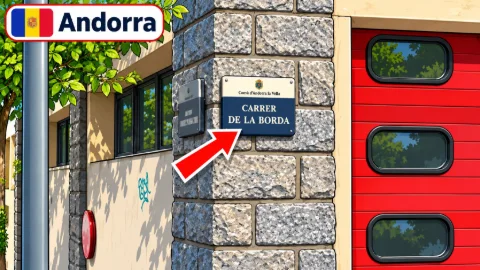
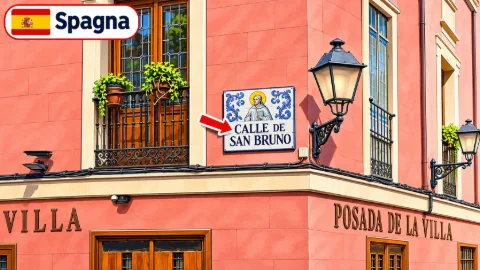
Explore this clueThe street sign illustrates carrer, a Catalan word contrasted with French rue and Spanish calle.
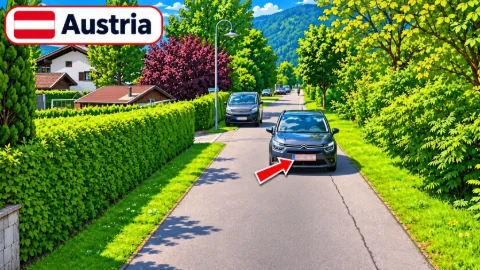
Explore this clueThe author mentions small red details near the upper or lower edges of some Austrian plates, acknowledging that they are hard to see.
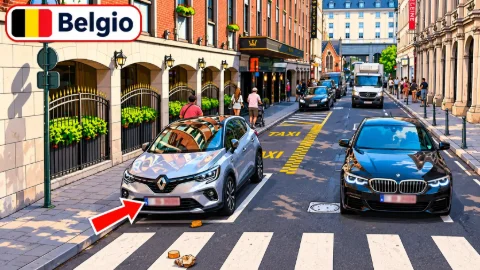
Explore this clueThe guide distinguishes Belgian red plate lettering from the small red plate accents mentioned for Austria.
Explore this clueThe video mentions several plate colours and associates red plates with rental vehicles.
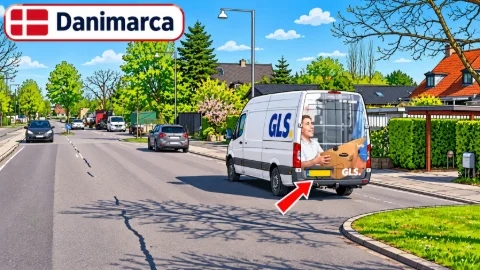
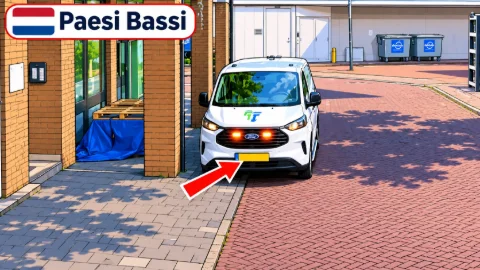
Explore this clueA company van illustrates yellow plates on some commercial vehicles, contrasted with white plates on many private cars.
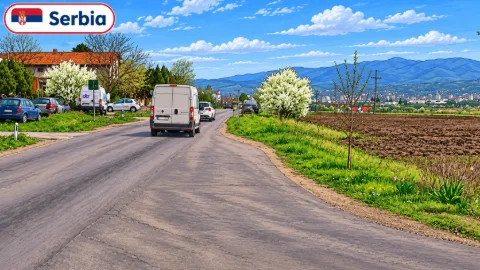
Explore this clueThe van ahead has a pale rear plate, contrasted with Britain's yellow rear plates.
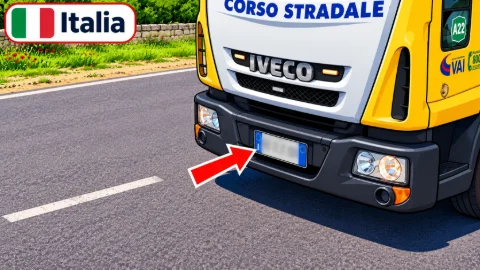
Explore this clueThe guide highlights a blue band at each end of Italian plates and describes front plates as shorter than rear ones.
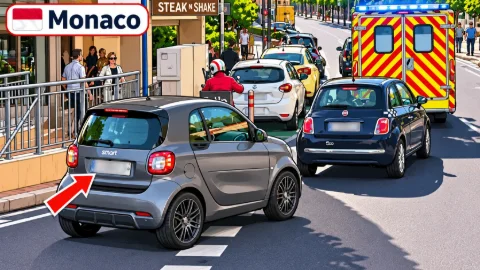
Explore this clueThe author suggests looking for a dark plate with an emblem on the left, while many neighbouring vehicles have white plates.
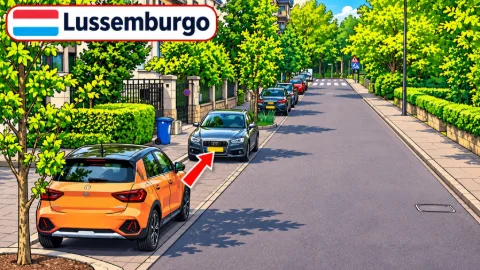
Explore this clueParked cars have yellow plates while the street name is French, used together to distinguish Luxembourg from the Netherlands.
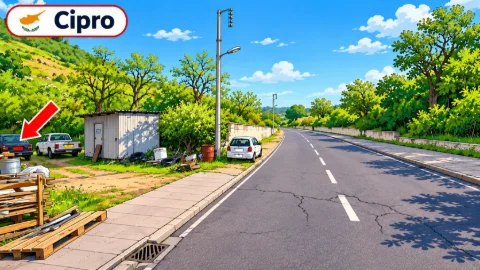
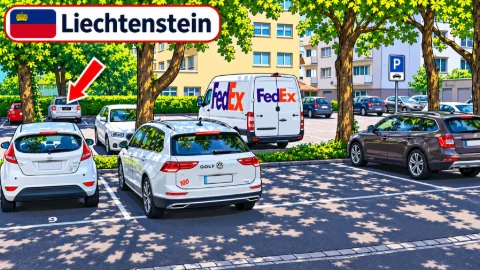
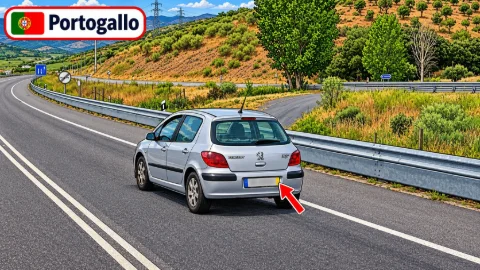
Explore this clueThe author zooms in on light-coloured plates lacking the familiar blue band.
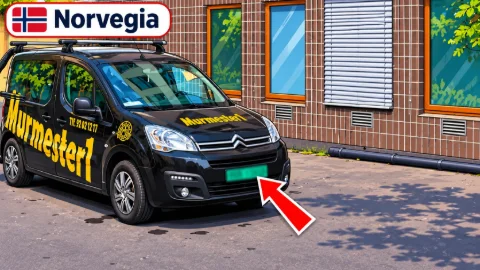
Explore this clueA close-up introduces Norway through a van's green plate; its colour remains visible despite blurred characters.
Explore this clueThe van's yellow front plate illustrates the Dutch use of yellow at both ends, compared with the UK and Luxembourg.
Explore this clueThe enlarged car is used to look for a yellow right-hand plate band opposite the usual blue band.
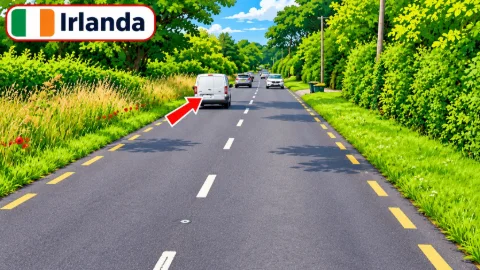
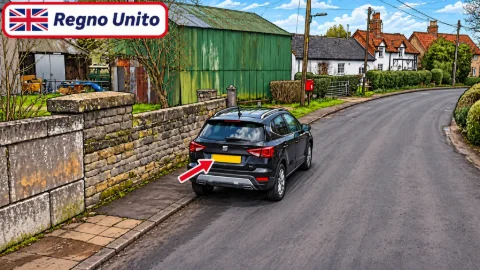
Explore this clueThe car has a yellow rear plate; fronts are described as pale. Traffic and signs establish left-hand driving.
Explore this clueOlder plates without blue bands are compared with newer designs that include them.
Explore this clueA blue number plaque is followed by a CALLE sign, compared with French rue and Andorran carrer.
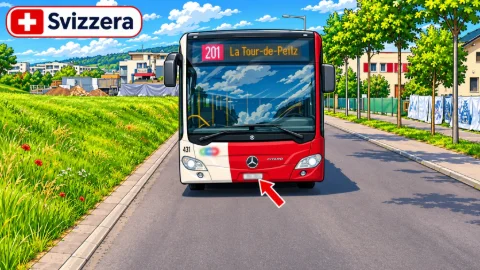
Explore this clueThe guide combines a low viewpoint, bluish front blur and short front plates without the blue bands illustrated for Italy.
Explore this clueThe guide shows a dark green escort Mazda with an apparently black plate and a red element on its left.
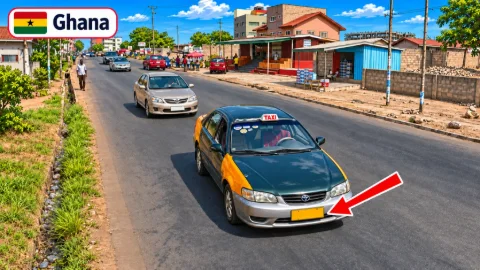
Explore this clueThe guide shows yellow plates on commercial vehicles and taxis, while private-car plates are described as white.
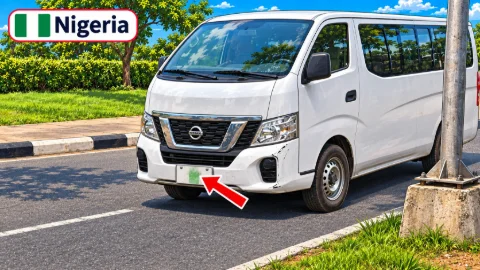
Explore this clueUrban Nigerian examples have apparently white plates with a green tint or design around the middle.
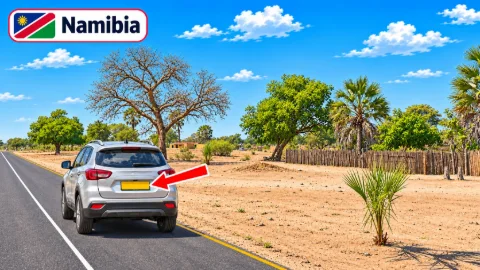
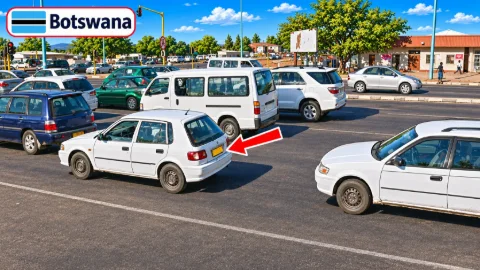
Explore this clueLater narration mentions typical yellow rear plates in Namibia and Botswana within the southern African group discussed.
Explore this clueThe guide uses yellow rear plates to contrast Botswana with Eswatini, also noting Namibia's use of yellow.
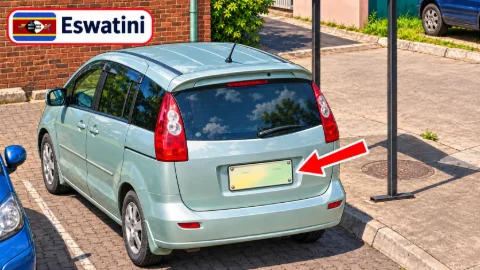
Explore this clueThe urban example highlights a green-and-yellow plate colour combination for Eswatini.
Explore this clueSeek a different kind of support: two details on the same object are not necessarily two independent pieces of evidence.
Study clues by topic