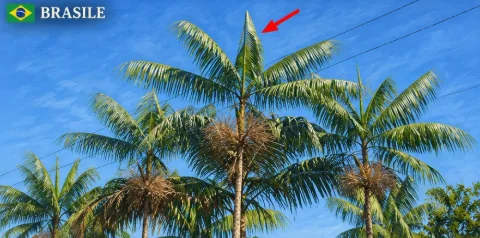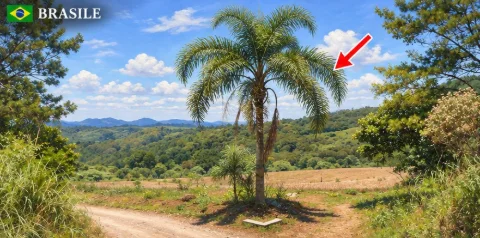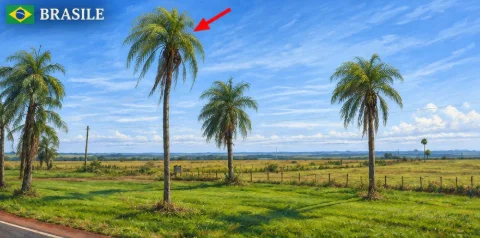
Juçara palm in the southeastern highlands
Compare the slender leaves and more widely spaced trees with açaí palms of the northern lowlands.
Explore this clue
GeoPointer / By topic
Available cards: 86. Countries and territories represented: 34.
Return to the start of the guide
Compare the slender leaves and more widely spaced trees with açaí palms of the northern lowlands.
Explore this clueLook for an irregular crown and pointed central spear leaf. Groups are more informative than a single tree.
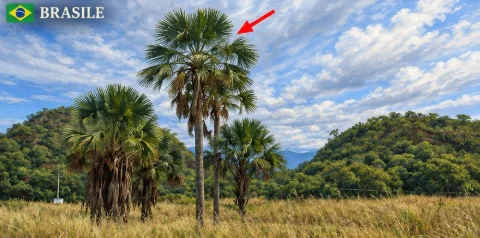
Explore this clueLook for rounded fan-shaped leaves. The source shows examples from multiple Amazonian states.
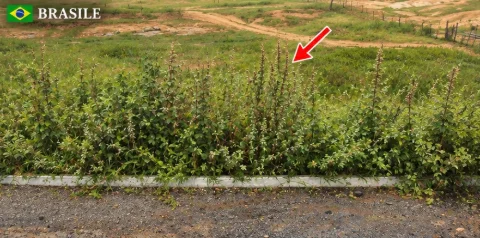
Explore this clueLook for tall upright stems that remain conspicuous when the leaves drop.
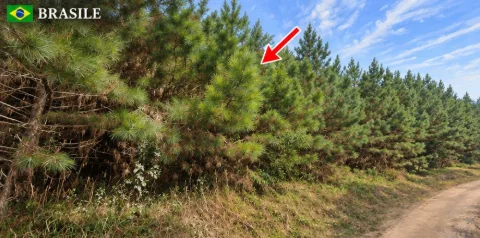
Explore this cluePines are more frequent in the south. The source reports few north of Belo Horizonte.
Explore this clueFronds rise from the crown and then arch downward. The source shows examples along the southeastern coast.
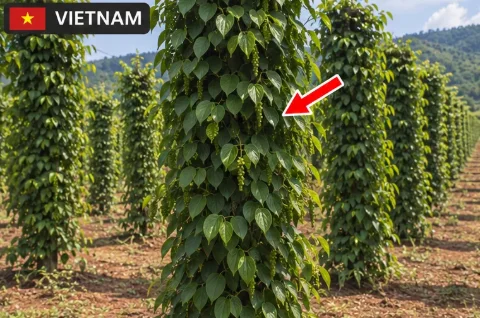
Explore this clueLook for green columns of climbing plants almost completely covering their supports. The crop can help narrow the region.
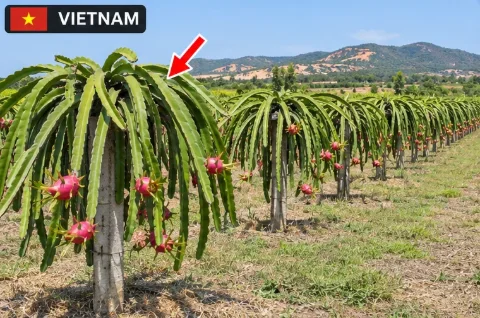
Explore this clueLook for rows of posts topped by hanging fleshy stems. This can point to growing areas in southern Vietnam, such as around Phan Thiết.
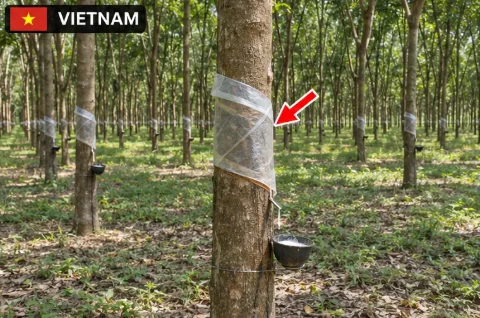
Explore this clueLook for slender trees planted in a grid and a section of trunk wrapped in plastic, separate from the small collection cup.
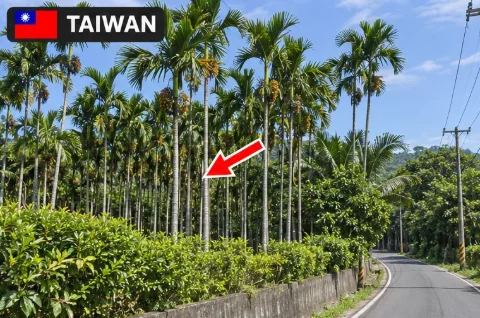
Explore this clueLook for groups of tall palms with narrow, straight trunks. They are common in central and southern Taiwan.
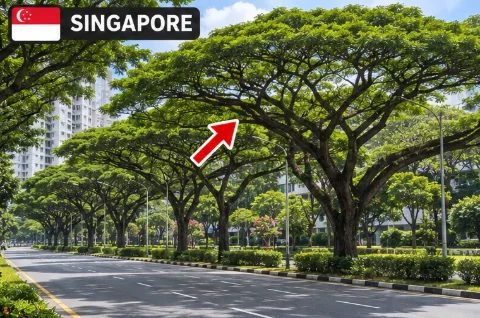
Explore this clueLook for large umbrella-shaped canopies along main roads. This is a supporting clue shared with other places.
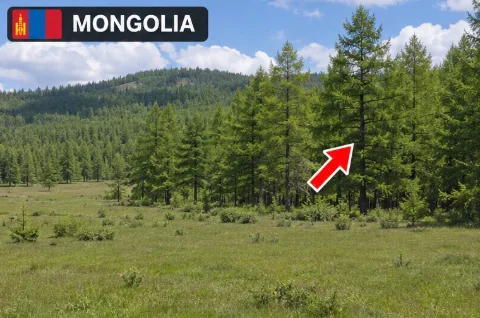
Explore this clueLook for patches of conifer forest bordering grassland. Larches are particularly useful as a supporting clue in the north.
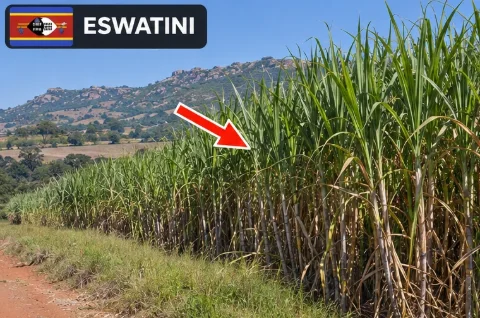
Explore this clueLook for dense sugarcane fields in the east. Use them as a regional clue after identifying Eswatini.
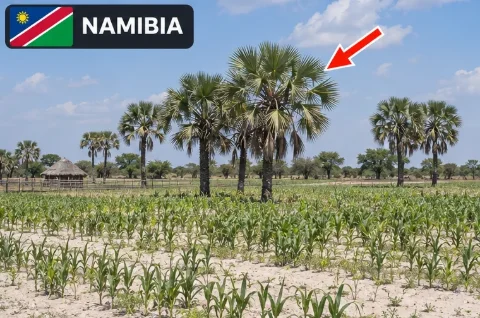
Explore this clueLook for groups of fan-leaved palms on a cultivated plain with very pale sandy soil. Use this as a local clue in northern Namibia.
Explore this clueSeek a different kind of support: two details on the same object are not necessarily two independent pieces of evidence.
Study clues by topic